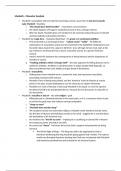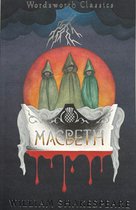
Macbeth - Character Analysis
Macbeth’s association with evil and him becoming a tyrant causes him to lack love towards
Lady Macbeth - Heartless
o “She should have died hereafter” - resentment, inconvenience
o Her death happens off stage to symbolise his lack of love, perhaps interest.
o After her death, Macbeth does not mention her by name but instead focuses on himself
and how pathetic and pointless his life is.
Macbeth the tragic hero – Hamartia (fatal flaw) - His greed and unchecked ambition
o First presented as a stereotypical hero - “valiant cousin” “noble” - He fulfils the
expectations of masculinity and proves his manhood in the battlefield. Shakespeare uses
his noble status to give him a place to fall from- since all tragic heroes must start at the
top. However, he descends from a brave, masculine warrior to a passive feminine
coward.
o Used to teach the audience the consequences of being immoral and the importance of
morality in society.
o “Vaulting ambition which o’erleaps itself” - the only argument for killing Duncan was to
satisfy his ambition. Ambition is self-destructive. It makes people think illogically, so
they overestimate their own abilities and get ahead of themselves.
Macbeth’s masculinity
o Shakespeare writes Macbeth to be a symbol for toxic and repressive masculinity,
associating manhood with violence.
o Macbeth’s fear of being emasculated, and the ‘feminine’ traits he inherits at certain
points in the play, means Shakespeare uses his character to explore femininity
o Macbeth, for most of the play, treats Lady Macbeth as his equal, or even his superior.
He allows himself to be manipulated by her, because she has the power to strip him of
his masculinity.
Macbeth’s morality or lack of – ties with religion - guilt
o Killing Duncan is a landmark decision in his moral path, as it is a conscious choice to put
an end to his good ways and embrace corrupt temptation.
o “sleep no more”
o “Macbeth does murder sleep”
o The Jacobean society was extremely religious. Macbeth rarely mentions God by name,
but the idea of Heaven and Hell plays heavily on his mind - suggests he is worried about
the destination of his immortal soul.
o He mentions the “the life to come” - implying he is sacrificing an eternal life in Heaven
for temporary power and status on Earth.
o He cannot say “Amen” - he knows he has lost God’s support and protection by being
immoral
The Divine Right of Kings – The King was said to be appointed by God so
therefore disobeying the King would be going against God’s wishes. The natural
world was disrupted therefore showing how God was not pleased with Macbeth
and therefore punished him and Scotland for his immoral actions.
Macbeth’s association with evil and him becoming a tyrant causes him to lack love towards
Lady Macbeth - Heartless
o “She should have died hereafter” - resentment, inconvenience
o Her death happens off stage to symbolise his lack of love, perhaps interest.
o After her death, Macbeth does not mention her by name but instead focuses on himself
and how pathetic and pointless his life is.
Macbeth the tragic hero – Hamartia (fatal flaw) - His greed and unchecked ambition
o First presented as a stereotypical hero - “valiant cousin” “noble” - He fulfils the
expectations of masculinity and proves his manhood in the battlefield. Shakespeare uses
his noble status to give him a place to fall from- since all tragic heroes must start at the
top. However, he descends from a brave, masculine warrior to a passive feminine
coward.
o Used to teach the audience the consequences of being immoral and the importance of
morality in society.
o “Vaulting ambition which o’erleaps itself” - the only argument for killing Duncan was to
satisfy his ambition. Ambition is self-destructive. It makes people think illogically, so
they overestimate their own abilities and get ahead of themselves.
Macbeth’s masculinity
o Shakespeare writes Macbeth to be a symbol for toxic and repressive masculinity,
associating manhood with violence.
o Macbeth’s fear of being emasculated, and the ‘feminine’ traits he inherits at certain
points in the play, means Shakespeare uses his character to explore femininity
o Macbeth, for most of the play, treats Lady Macbeth as his equal, or even his superior.
He allows himself to be manipulated by her, because she has the power to strip him of
his masculinity.
Macbeth’s morality or lack of – ties with religion - guilt
o Killing Duncan is a landmark decision in his moral path, as it is a conscious choice to put
an end to his good ways and embrace corrupt temptation.
o “sleep no more”
o “Macbeth does murder sleep”
o The Jacobean society was extremely religious. Macbeth rarely mentions God by name,
but the idea of Heaven and Hell plays heavily on his mind - suggests he is worried about
the destination of his immortal soul.
o He mentions the “the life to come” - implying he is sacrificing an eternal life in Heaven
for temporary power and status on Earth.
o He cannot say “Amen” - he knows he has lost God’s support and protection by being
immoral
The Divine Right of Kings – The King was said to be appointed by God so
therefore disobeying the King would be going against God’s wishes. The natural
world was disrupted therefore showing how God was not pleased with Macbeth
and therefore punished him and Scotland for his immoral actions.