PSYCHOLOGY 213
2021
STELLENBOSCH UNIVERSITY
Page | 1
,Contents
Chapter 1: Personology .......................................................................................................... 8
Personology and the everyday knowledge of human nature ................................................. 8
Definitions and key concepts ................................................................................................. 8
Person................................................................................................................................. 9
Personality.......................................................................................................................... 9
Related concepts ................................................................................................................ 9
Variety of opinions about personality .................................................................................... 9
Personism ........................................................................................................................... 9
Situationalism .................................................................................................................... 9
Interactionalism................................................................................................................ 10
Chapter 2: Historical overview of psychological thinking ...................................................... 11
Philosophical assumptions ................................................................................................... 11
Methodological approaches ................................................................................................. 11
Fathers of psychology .......................................................................................................... 11
Natural science v human science ......................................................................................... 11
Chapter 3: The psychoanalytical theory of Sigmund Freud .................................................... 12
Background .......................................................................................................................... 12
How did Freud’s own life experience, and the social and scientific contexts of his time,
influence his theoretical thinking? ................................................................................... 12
The view of the person underlying the theory ..................................................................... 13
Psychological conflict ...................................................................................................... 13
Biological and psychic determination .............................................................................. 13
Mechanistic assumption ................................................................................................... 13
The structure of the personality ........................................................................................... 13
Levels of consciousness ................................................................................................... 14
The id ............................................................................................................................... 15
Page | 2
, The ego............................................................................................................................. 15
Superego .......................................................................................................................... 16
The dynamics of personality ................................................................................................ 17
General characteristics of drives ...................................................................................... 17
Types of drives ................................................................................................................. 18
How do sexual drives and the death drive function psychologically? ............................. 18
Defence Mechanisms ........................................................................................................... 20
Repression and resistance ................................................................................................ 20
Projection ......................................................................................................................... 20
Reaction formation........................................................................................................... 20
Rationalisation ................................................................................................................. 21
Displacement and sublimation ......................................................................................... 21
Fixation and regression .................................................................................................... 21
Identification .................................................................................................................... 22
Parapraxes ............................................................................................................................ 22
The development of personality........................................................................................... 22
Oral stage ......................................................................................................................... 23
Anal stage......................................................................................................................... 24
Phallic stage ..................................................................................................................... 24
Latent stage ...................................................................................................................... 25
Genital stage..................................................................................................................... 25
Chapter 4: The analytical theory of Carl Jung ......................................................................... 27
Mindmap .............................................................................................................................. 27
Background .......................................................................................................................... 27
View of the person underlying the theory............................................................................ 28
Structure of personality ........................................................................................................ 29
The consciousness (Ego).................................................................................................. 29
Page | 3
, Personal unconscious ....................................................................................................... 30
Collective unconscious .................................................................................................... 30
Archetypes ........................................................................................................................... 30
Persona ............................................................................................................................. 30
Anima and animus ........................................................................................................... 30
Shadow............................................................................................................................. 31
Self ................................................................................................................................... 31
Dynamics of personality ...................................................................................................... 32
Humans as energy systems .............................................................................................. 32
Attitudes of the psyche..................................................................................................... 32
Functions of the psyche ................................................................................................... 33
Personality types that develop from combining and handling attitudes and functions.... 33
Development of the personality ........................................................................................... 34
Individuation .................................................................................................................... 34
Transcendent .................................................................................................................... 34
Optimal development of the personality .............................................................................. 34
Chapter 5: The Individual psychology of Alfred Adler ........................................................... 36
Background .......................................................................................................................... 36
What was the nature of the relationship between Adler and Freud? ............................... 36
Why did Adler call his approach ‘Individual Psychology’ .............................................. 36
Is there only one way to understand Adler’s theory and does his theory belong to depth
psychology? ..................................................................................................................... 36
The view of the person underlying the theory ..................................................................... 37
Structure of the personality .................................................................................................. 38
Constitutional attributes ................................................................................................... 38
Social environment .......................................................................................................... 38
Creative self ..................................................................................................................... 38
Page | 4
, The lifestyle ..................................................................................................................... 39
Dynamics of personality ...................................................................................................... 39
Striving for superiority: striving for power ...................................................................... 39
Striving for superiority: social interest ............................................................................ 40
The development of the personality/lifestyle ....................................................................... 40
Factors influencing development ..................................................................................... 41
Introduction to Part 4: Person-Orientated Approaches ........................................................... 43
Background .......................................................................................................................... 43
Characteristics of the person-orientated approach ............................................................. 43
Individual is a dignified human being ............................................................................... 43
Conscious Processes of the Individual .............................................................................. 43
Person as an active being ................................................................................................. 43
Emphasis on psychological health .................................................................................... 44
The Individual as an integrated whole ............................................................................. 44
Historical Background........................................................................................................... 44
Existentialism.................................................................................................................... 45
Phenomenology ............................................................................................................... 45
Holism .............................................................................................................................. 46
Humanism ........................................................................................................................ 46
Chapter 12: The Self-Concept Theory of Carl Rogers ............................................................... 48
View of the person underlying the theory ........................................................................... 48
Structure of Personality........................................................................................................ 49
The dynamics of personality................................................................................................. 50
Actualising tendency ........................................................................................................ 50
The Need for Positive Regard ........................................................................................... 50
Congruence and Incongruence ........................................................................................ 50
Page | 5
, The Role of Self-Concept in Experience................................................................................ 51
Role of the Self Concept in Determining Behaviour ............................................................. 51
The Development of the Self Concept ................................................................................. 52
Unconditional Positive Regard ......................................................................................... 52
Conditional Positive Regard.............................................................................................. 52
Optimal Development .......................................................................................................... 52
Implications and Applications............................................................................................... 53
The Therapeutic Process .................................................................................................. 53
Chapter 9: The Radical Behaviourism of BF Skinner ............................................................. 55
View of the person underlying the theory ........................................................................... 55
Structure of Personality........................................................................................................ 56
Respondent behaviour ..................................................................................................... 56
Operant behaviour ........................................................................................................... 56
Dynamics of Personality ....................................................................................................... 57
Classical/Respondent Conditioning .................................................................................. 57
Operant Conditioning....................................................................................................... 57
Importance of learning in Skinner’s ..................................................................................... 59
Evaluation of the theory ....................................................................................................... 60
Chapter 6: Socially-orientated psychoanalytical theories – Karen Horney ............................. 62
View of the person underlying the theory............................................................................ 62
Structure of personality ........................................................................................................ 62
Dynamics of Personality .......................................................................................................... 63
Basic Needs ...................................................................................................................... 63
Factors that promote/inhibit personal growth .................................................................. 63
What happens to a child when need-fulfilment is prevented? ......................................... 63
How do people deal w/ basic hostility and anxiety? ........................................................ 63
Page | 6
, Development of Personality ................................................................................................. 64
Optimal development and views on psychopathology ........................................................ 65
Chapter 6: the socially-oriented psychoanalytical theories – Erich Fromm ............................ 67
View of the person underlying the theory............................................................................ 67
Structure of the personality .................................................................................................. 67
Dynamics of personality: Human Needs ............................................................................. 68
Needs and character ......................................................................................................... 69
Development of Personality ................................................................................................. 69
Parent-Child relationships ................................................................................................ 69
Character Types: Non-Productive Orientation ................................................................ 70
Character Types: Productive Orientation......................................................................... 70
Chapter 14: Existential Theory of Viktor Frankl ..................................................................... 71
View of the Person Underlying the Theory ......................................................................... 71
Humans have the freedom to be responsible ................................................................... 71
A level of being beyond animal existence ....................................................................... 71
Transhuman dimension .................................................................................................... 71
Personalized way of being ............................................................................................... 72
Structure of Personality........................................................................................................ 72
Freedom of Will ............................................................................................................... 72
Will to meaning................................................................................................................ 73
Meaning of Life ............................................................................................................... 73
Development of Personality ................................................................................................. 74
Optimal Development .......................................................................................................... 74
Page | 7
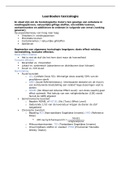
,Chapter 1: Personology
Personology: The branch of psychology that focuses on the study of the individual’s
characteristics and of differences between people.
Personology and the everyday knowledge of human nature
Ability to judge people depends on four sources of information:
• Cultural tradition
o Rich source of info, but not always reliable (unsystematic and contradictory)
• Direct communications from others
• Observation of others’ behaviour
• Self-observation
Our own biases and subjective judgement make our observations often times inaccurate.
Personologists aim at improving such everyday knowledge of human nature by basing their
theories on the scientific method.
Everyday knowledge of human nature: the ability to judge, understand, explain and
predict behaviour of fellow human beings.
Personality theory: outcome of a purposeful, sustained effort to develop a logically consistent
conceptual system for describing, explaining and/or predicting human behaviour.
Each theory contains several of the following:
• Underlying view of the person
• Proposed structure of personality
• Ideas about what motivate human behaviour
• Description of human development and a proposed ideal human development
• Psychopathology
• How human behaviour might be controlled
• How to study, measure and predict behaviour
Definitions and key concepts
Page | 8
,Person
• Individual human being that can act independently.
Personality
• The constantly changing but nevertheless relatively stable organisation of all physical,
psychological and spiritual characteristics of the individual that determine their
behaviour in interaction with the context.
• Everyday language: describe an individual’s social dimension / their general behaviour
patterns or their nature.
• Personality is the totality of all the physical, psychological and spiritual characteristics
that determine the behaviour of the individual within the context they find themselves
in.
Related concepts
Character
• Those aspects of the personality involving the person’s values
• Spiritual and moral dimension
Temperament and nature
• Emotional aspects of the personality
• Inherited biological aspects
Variety of opinions about personality
Personism
• The view that behaviour is influenced chiefly by the individual’s personality.
• People have fixed behavioural tendencies that distinguish them from each other.
• Differences in character would be apparent in all situations.
• Psychic determinism (Freud)
Situationalism
• The view that the situation is the most important determinant of behaviour.
• All people are equal = denial of genetics
• Environmental determinism
• John Watson = behaviourism (Skinner too)
Page | 9
, • Different experiences in similar situations and therefore associate these situations with
different past experiences.
Interactionalism
• Behaviour is the outcome of the interaction between the individual’s characteristics and
the situation in which the behaviour occurs.
• Influence of individual differences and situation.
• Transactionalism: behaviour is determined by the transactions between the person, the
situation, and the behaviour.
Page | 10
2021
STELLENBOSCH UNIVERSITY
Page | 1
,Contents
Chapter 1: Personology .......................................................................................................... 8
Personology and the everyday knowledge of human nature ................................................. 8
Definitions and key concepts ................................................................................................. 8
Person................................................................................................................................. 9
Personality.......................................................................................................................... 9
Related concepts ................................................................................................................ 9
Variety of opinions about personality .................................................................................... 9
Personism ........................................................................................................................... 9
Situationalism .................................................................................................................... 9
Interactionalism................................................................................................................ 10
Chapter 2: Historical overview of psychological thinking ...................................................... 11
Philosophical assumptions ................................................................................................... 11
Methodological approaches ................................................................................................. 11
Fathers of psychology .......................................................................................................... 11
Natural science v human science ......................................................................................... 11
Chapter 3: The psychoanalytical theory of Sigmund Freud .................................................... 12
Background .......................................................................................................................... 12
How did Freud’s own life experience, and the social and scientific contexts of his time,
influence his theoretical thinking? ................................................................................... 12
The view of the person underlying the theory ..................................................................... 13
Psychological conflict ...................................................................................................... 13
Biological and psychic determination .............................................................................. 13
Mechanistic assumption ................................................................................................... 13
The structure of the personality ........................................................................................... 13
Levels of consciousness ................................................................................................... 14
The id ............................................................................................................................... 15
Page | 2
, The ego............................................................................................................................. 15
Superego .......................................................................................................................... 16
The dynamics of personality ................................................................................................ 17
General characteristics of drives ...................................................................................... 17
Types of drives ................................................................................................................. 18
How do sexual drives and the death drive function psychologically? ............................. 18
Defence Mechanisms ........................................................................................................... 20
Repression and resistance ................................................................................................ 20
Projection ......................................................................................................................... 20
Reaction formation........................................................................................................... 20
Rationalisation ................................................................................................................. 21
Displacement and sublimation ......................................................................................... 21
Fixation and regression .................................................................................................... 21
Identification .................................................................................................................... 22
Parapraxes ............................................................................................................................ 22
The development of personality........................................................................................... 22
Oral stage ......................................................................................................................... 23
Anal stage......................................................................................................................... 24
Phallic stage ..................................................................................................................... 24
Latent stage ...................................................................................................................... 25
Genital stage..................................................................................................................... 25
Chapter 4: The analytical theory of Carl Jung ......................................................................... 27
Mindmap .............................................................................................................................. 27
Background .......................................................................................................................... 27
View of the person underlying the theory............................................................................ 28
Structure of personality ........................................................................................................ 29
The consciousness (Ego).................................................................................................. 29
Page | 3
, Personal unconscious ....................................................................................................... 30
Collective unconscious .................................................................................................... 30
Archetypes ........................................................................................................................... 30
Persona ............................................................................................................................. 30
Anima and animus ........................................................................................................... 30
Shadow............................................................................................................................. 31
Self ................................................................................................................................... 31
Dynamics of personality ...................................................................................................... 32
Humans as energy systems .............................................................................................. 32
Attitudes of the psyche..................................................................................................... 32
Functions of the psyche ................................................................................................... 33
Personality types that develop from combining and handling attitudes and functions.... 33
Development of the personality ........................................................................................... 34
Individuation .................................................................................................................... 34
Transcendent .................................................................................................................... 34
Optimal development of the personality .............................................................................. 34
Chapter 5: The Individual psychology of Alfred Adler ........................................................... 36
Background .......................................................................................................................... 36
What was the nature of the relationship between Adler and Freud? ............................... 36
Why did Adler call his approach ‘Individual Psychology’ .............................................. 36
Is there only one way to understand Adler’s theory and does his theory belong to depth
psychology? ..................................................................................................................... 36
The view of the person underlying the theory ..................................................................... 37
Structure of the personality .................................................................................................. 38
Constitutional attributes ................................................................................................... 38
Social environment .......................................................................................................... 38
Creative self ..................................................................................................................... 38
Page | 4
, The lifestyle ..................................................................................................................... 39
Dynamics of personality ...................................................................................................... 39
Striving for superiority: striving for power ...................................................................... 39
Striving for superiority: social interest ............................................................................ 40
The development of the personality/lifestyle ....................................................................... 40
Factors influencing development ..................................................................................... 41
Introduction to Part 4: Person-Orientated Approaches ........................................................... 43
Background .......................................................................................................................... 43
Characteristics of the person-orientated approach ............................................................. 43
Individual is a dignified human being ............................................................................... 43
Conscious Processes of the Individual .............................................................................. 43
Person as an active being ................................................................................................. 43
Emphasis on psychological health .................................................................................... 44
The Individual as an integrated whole ............................................................................. 44
Historical Background........................................................................................................... 44
Existentialism.................................................................................................................... 45
Phenomenology ............................................................................................................... 45
Holism .............................................................................................................................. 46
Humanism ........................................................................................................................ 46
Chapter 12: The Self-Concept Theory of Carl Rogers ............................................................... 48
View of the person underlying the theory ........................................................................... 48
Structure of Personality........................................................................................................ 49
The dynamics of personality................................................................................................. 50
Actualising tendency ........................................................................................................ 50
The Need for Positive Regard ........................................................................................... 50
Congruence and Incongruence ........................................................................................ 50
Page | 5
, The Role of Self-Concept in Experience................................................................................ 51
Role of the Self Concept in Determining Behaviour ............................................................. 51
The Development of the Self Concept ................................................................................. 52
Unconditional Positive Regard ......................................................................................... 52
Conditional Positive Regard.............................................................................................. 52
Optimal Development .......................................................................................................... 52
Implications and Applications............................................................................................... 53
The Therapeutic Process .................................................................................................. 53
Chapter 9: The Radical Behaviourism of BF Skinner ............................................................. 55
View of the person underlying the theory ........................................................................... 55
Structure of Personality........................................................................................................ 56
Respondent behaviour ..................................................................................................... 56
Operant behaviour ........................................................................................................... 56
Dynamics of Personality ....................................................................................................... 57
Classical/Respondent Conditioning .................................................................................. 57
Operant Conditioning....................................................................................................... 57
Importance of learning in Skinner’s ..................................................................................... 59
Evaluation of the theory ....................................................................................................... 60
Chapter 6: Socially-orientated psychoanalytical theories – Karen Horney ............................. 62
View of the person underlying the theory............................................................................ 62
Structure of personality ........................................................................................................ 62
Dynamics of Personality .......................................................................................................... 63
Basic Needs ...................................................................................................................... 63
Factors that promote/inhibit personal growth .................................................................. 63
What happens to a child when need-fulfilment is prevented? ......................................... 63
How do people deal w/ basic hostility and anxiety? ........................................................ 63
Page | 6
, Development of Personality ................................................................................................. 64
Optimal development and views on psychopathology ........................................................ 65
Chapter 6: the socially-oriented psychoanalytical theories – Erich Fromm ............................ 67
View of the person underlying the theory............................................................................ 67
Structure of the personality .................................................................................................. 67
Dynamics of personality: Human Needs ............................................................................. 68
Needs and character ......................................................................................................... 69
Development of Personality ................................................................................................. 69
Parent-Child relationships ................................................................................................ 69
Character Types: Non-Productive Orientation ................................................................ 70
Character Types: Productive Orientation......................................................................... 70
Chapter 14: Existential Theory of Viktor Frankl ..................................................................... 71
View of the Person Underlying the Theory ......................................................................... 71
Humans have the freedom to be responsible ................................................................... 71
A level of being beyond animal existence ....................................................................... 71
Transhuman dimension .................................................................................................... 71
Personalized way of being ............................................................................................... 72
Structure of Personality........................................................................................................ 72
Freedom of Will ............................................................................................................... 72
Will to meaning................................................................................................................ 73
Meaning of Life ............................................................................................................... 73
Development of Personality ................................................................................................. 74
Optimal Development .......................................................................................................... 74
Page | 7
,Chapter 1: Personology
Personology: The branch of psychology that focuses on the study of the individual’s
characteristics and of differences between people.
Personology and the everyday knowledge of human nature
Ability to judge people depends on four sources of information:
• Cultural tradition
o Rich source of info, but not always reliable (unsystematic and contradictory)
• Direct communications from others
• Observation of others’ behaviour
• Self-observation
Our own biases and subjective judgement make our observations often times inaccurate.
Personologists aim at improving such everyday knowledge of human nature by basing their
theories on the scientific method.
Everyday knowledge of human nature: the ability to judge, understand, explain and
predict behaviour of fellow human beings.
Personality theory: outcome of a purposeful, sustained effort to develop a logically consistent
conceptual system for describing, explaining and/or predicting human behaviour.
Each theory contains several of the following:
• Underlying view of the person
• Proposed structure of personality
• Ideas about what motivate human behaviour
• Description of human development and a proposed ideal human development
• Psychopathology
• How human behaviour might be controlled
• How to study, measure and predict behaviour
Definitions and key concepts
Page | 8
,Person
• Individual human being that can act independently.
Personality
• The constantly changing but nevertheless relatively stable organisation of all physical,
psychological and spiritual characteristics of the individual that determine their
behaviour in interaction with the context.
• Everyday language: describe an individual’s social dimension / their general behaviour
patterns or their nature.
• Personality is the totality of all the physical, psychological and spiritual characteristics
that determine the behaviour of the individual within the context they find themselves
in.
Related concepts
Character
• Those aspects of the personality involving the person’s values
• Spiritual and moral dimension
Temperament and nature
• Emotional aspects of the personality
• Inherited biological aspects
Variety of opinions about personality
Personism
• The view that behaviour is influenced chiefly by the individual’s personality.
• People have fixed behavioural tendencies that distinguish them from each other.
• Differences in character would be apparent in all situations.
• Psychic determinism (Freud)
Situationalism
• The view that the situation is the most important determinant of behaviour.
• All people are equal = denial of genetics
• Environmental determinism
• John Watson = behaviourism (Skinner too)
Page | 9
, • Different experiences in similar situations and therefore associate these situations with
different past experiences.
Interactionalism
• Behaviour is the outcome of the interaction between the individual’s characteristics and
the situation in which the behaviour occurs.
• Influence of individual differences and situation.
• Transactionalism: behaviour is determined by the transactions between the person, the
situation, and the behaviour.
Page | 10