International economics
Chapter 1: introduction
1. What is international economics about?
1.1. International Trade
1.1.1. Advantages and disadvantages of international trade?
1.1.2. The pattern of trade
1.1.3. How much trade is ok? Is a government policy necessary?
1.2. International Finance
2. Course overview + course restrictions (due to limited number of hours)
Compulsory reading: Krugman, P., Obstfeld, M., Melitz, M. International Trade: Theory and Policy
(2018), Chapter 1: Introduction.
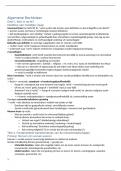
1. What is international economics about?
1.1. International Trade
• International economics studies economic interactions between countries and the problems that
may arise.
• At the beginning of the 21st century, countries are more interconnected than ever, through trade in
goods and services, through capital flows and through investments.
1
,Is international trade equally important for all countries?
• For US not so much, for BE very much (to what extent is country dependent on trade)
• Why has international trade risen so sharply?
o A decrease in trade barriers, such as tariffs and quotas, …
o A reduction in transport costs (decrease in air fares, costs of tanker transport, costs for the
use of information technology).
o The creation of free trade areas (EU, NAFTA, CETA, Mercosur etc.).
1.1.1. Advantages and disadvantages of international trade?
• The following advantages and disadvantages will be covered throughout this course.
• Some seem logical, others not.
• By the end of this course these advantages and disadvantages should be clear to everyone
Advantages
1. When a buyer and a seller engage in a voluntary transaction, both can be made better off.
Both parties gain
o Norwegian consumers import lemons that they would have a hard time producing.
o The producers of lemons receive an income that they can use to buy other things.
2. Even if a country is the most (or least) efficient in the production of ALL goods, it wins from free
trade. (à either way, still better to trade)
o Even when producers in the less efficient country can only compete by paying lower wages.
o The efficient country concentrates on producing that good it is relatively the best in and
imports the rest.
§ Countries use finite resources to produce what they are most productive at (compared to
their other production choices), then trade those products for goods and services that
they want to consume.
§ Countries can specialize in production, while consuming many goods and services
through trade.
o So the idea that trade is harmful when there are major productivity and wage inequalities
between countries is wrong.
3. Trade will be beneficial to a country when it exports (imports) goods that make use of abundant
(scarce) production factors.
4. If countries specialise, they can be more efficient through production on a larger scale.
5. Countries can also win by trading current production factors, goods, etc. against future production
factors, goods, etc. (e.g. China a lot of money, giving this to countries in return for other favours)
2
,Disadvantages
Trade is beneficial to individual countries but may be detrimental to certain groups of economic
agents within countries à the distribution of benefits may vary.
1. International trade can harm the owners of resources that are used relatively intensively in
industries that compete with imports. (e.g. western Europe: those firms that made goods for which
they used unemployed people; cheap shoes, cheap clothes, etc.)
2. Trade may therefore affect the distribution of income within a country.
3. Rather than between countries, trade conflicts should occur between groups within a given
country.
1.1.2. The pattern of trade
= ‘who sells what to whom?’
Trade can be explained by:
1. Differences in climate and production factors (inter-industrial trade).
a. e.g. Brazil exports coffee and Australia exports iron ore.
b. Not always: e.g. why does Japan export cars and US aircraft?
2. Differences in labour productivity (inter-industrial trade).
3. Differences in availability and use of production factors (inter-industrial trade).
4. Economies of scale (intra-industrial trade).
Note:
Inter industrial trade = trade between 2 different products e.g. clothes against food
Intra industrial trade = trade between 2 similar products e.g. Volvo versus Ferrari
1.1.3. How much trade is ok? Is a government policy necessary?
= How much trade is allowed so that it cannot cause damage?
• On the one hand, since WWII, industrialized countries have tried to remove obstacles to
international trade through all kinds of 'agreements‘ between a few countries or on a ‘world scale
(e.g. NAFTA, GATT, …)
• On the other hand, governments are concerned about the impact of international trade on the
prosperity of domestic industries.
• They have regularly tried to counteract trade.
o e.g. mercantilism, protectionism
o Think of the statements of Trump!
• At the same time, the anti-globalist movement has gained a lot of influence (°1999 in Seattle).
• Policy makers may affect the amount of trade through:
o tariffs: a tax on imports or exports,
o quotas: a quantity restriction on imports or exports,
o export subsidies: a payment to producers that export,
o etc.
3
, 1.2. International Finance
= the international capital market
• Not only trade has increased, but also international financial flows (capital flows): why?
o To finance trade.
o To finance deficits in the balance of payments.
o For foreign investments (direct control).
o To buy stocks, bonds, etc. (no direct control)
2. Course overview + course restrictions (due to limited number of hours)
The lectures will deal with chapters 1 till 9
• ‘International trade’ focuses on transactions involving movement of goods and services across
nations.
o International trade theory (Chapters 2–8 in the course book):
§ How does the international economy work?
§ Principles of international economics?
§ Which models are used?
• International trade policy (Chapters 9–12 in the course book):
o studies real transactions in the international economy. It concerns a 'physical' movement of
goods and services.
o For example, the dispute between the US and the EU about subsidized exports of agricultural
goods in the EU.
4
Chapter 1: introduction
1. What is international economics about?
1.1. International Trade
1.1.1. Advantages and disadvantages of international trade?
1.1.2. The pattern of trade
1.1.3. How much trade is ok? Is a government policy necessary?
1.2. International Finance
2. Course overview + course restrictions (due to limited number of hours)
Compulsory reading: Krugman, P., Obstfeld, M., Melitz, M. International Trade: Theory and Policy
(2018), Chapter 1: Introduction.
1. What is international economics about?
1.1. International Trade
• International economics studies economic interactions between countries and the problems that
may arise.
• At the beginning of the 21st century, countries are more interconnected than ever, through trade in
goods and services, through capital flows and through investments.
1
,Is international trade equally important for all countries?
• For US not so much, for BE very much (to what extent is country dependent on trade)
• Why has international trade risen so sharply?
o A decrease in trade barriers, such as tariffs and quotas, …
o A reduction in transport costs (decrease in air fares, costs of tanker transport, costs for the
use of information technology).
o The creation of free trade areas (EU, NAFTA, CETA, Mercosur etc.).
1.1.1. Advantages and disadvantages of international trade?
• The following advantages and disadvantages will be covered throughout this course.
• Some seem logical, others not.
• By the end of this course these advantages and disadvantages should be clear to everyone
Advantages
1. When a buyer and a seller engage in a voluntary transaction, both can be made better off.
Both parties gain
o Norwegian consumers import lemons that they would have a hard time producing.
o The producers of lemons receive an income that they can use to buy other things.
2. Even if a country is the most (or least) efficient in the production of ALL goods, it wins from free
trade. (à either way, still better to trade)
o Even when producers in the less efficient country can only compete by paying lower wages.
o The efficient country concentrates on producing that good it is relatively the best in and
imports the rest.
§ Countries use finite resources to produce what they are most productive at (compared to
their other production choices), then trade those products for goods and services that
they want to consume.
§ Countries can specialize in production, while consuming many goods and services
through trade.
o So the idea that trade is harmful when there are major productivity and wage inequalities
between countries is wrong.
3. Trade will be beneficial to a country when it exports (imports) goods that make use of abundant
(scarce) production factors.
4. If countries specialise, they can be more efficient through production on a larger scale.
5. Countries can also win by trading current production factors, goods, etc. against future production
factors, goods, etc. (e.g. China a lot of money, giving this to countries in return for other favours)
2
,Disadvantages
Trade is beneficial to individual countries but may be detrimental to certain groups of economic
agents within countries à the distribution of benefits may vary.
1. International trade can harm the owners of resources that are used relatively intensively in
industries that compete with imports. (e.g. western Europe: those firms that made goods for which
they used unemployed people; cheap shoes, cheap clothes, etc.)
2. Trade may therefore affect the distribution of income within a country.
3. Rather than between countries, trade conflicts should occur between groups within a given
country.
1.1.2. The pattern of trade
= ‘who sells what to whom?’
Trade can be explained by:
1. Differences in climate and production factors (inter-industrial trade).
a. e.g. Brazil exports coffee and Australia exports iron ore.
b. Not always: e.g. why does Japan export cars and US aircraft?
2. Differences in labour productivity (inter-industrial trade).
3. Differences in availability and use of production factors (inter-industrial trade).
4. Economies of scale (intra-industrial trade).
Note:
Inter industrial trade = trade between 2 different products e.g. clothes against food
Intra industrial trade = trade between 2 similar products e.g. Volvo versus Ferrari
1.1.3. How much trade is ok? Is a government policy necessary?
= How much trade is allowed so that it cannot cause damage?
• On the one hand, since WWII, industrialized countries have tried to remove obstacles to
international trade through all kinds of 'agreements‘ between a few countries or on a ‘world scale
(e.g. NAFTA, GATT, …)
• On the other hand, governments are concerned about the impact of international trade on the
prosperity of domestic industries.
• They have regularly tried to counteract trade.
o e.g. mercantilism, protectionism
o Think of the statements of Trump!
• At the same time, the anti-globalist movement has gained a lot of influence (°1999 in Seattle).
• Policy makers may affect the amount of trade through:
o tariffs: a tax on imports or exports,
o quotas: a quantity restriction on imports or exports,
o export subsidies: a payment to producers that export,
o etc.
3
, 1.2. International Finance
= the international capital market
• Not only trade has increased, but also international financial flows (capital flows): why?
o To finance trade.
o To finance deficits in the balance of payments.
o For foreign investments (direct control).
o To buy stocks, bonds, etc. (no direct control)
2. Course overview + course restrictions (due to limited number of hours)
The lectures will deal with chapters 1 till 9
• ‘International trade’ focuses on transactions involving movement of goods and services across
nations.
o International trade theory (Chapters 2–8 in the course book):
§ How does the international economy work?
§ Principles of international economics?
§ Which models are used?
• International trade policy (Chapters 9–12 in the course book):
o studies real transactions in the international economy. It concerns a 'physical' movement of
goods and services.
o For example, the dispute between the US and the EU about subsidized exports of agricultural
goods in the EU.
4