Morphology
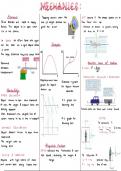
• Land plants
o 475 million years ago colonisation land by mosses
o First land plants were spore plants
▪ Mosses and ferns
Ferns are vascular plants
o Seed plants
▪ Gymnospermous plants (Naaktzadige planten)
Loose seeds
Pinecone
▪ Angiosperm plants (Bedektzadige planten)
Strawberry
Monocotyledons
1 seed lob
Examples
→ Grasses
→ Narcissus
Dicotyledons
2 seed lobs
3 growth stadia
→ Globular
• After pro-embryo
• Part above suspensor is called embryo
proper
• Development protoderm
o Future epidermis
→ Heart shaped
→ Torpedo shaped
▪ Function Seeds
Dispersion
Reproduction
Renewal
Dormancy
Germination only in favourable climate
Water
Oxygen
Temperature
Sometimes light
Dormancy
State of non-germination
Excitable by
→ Flushing of inhibitors
→ Intestine passage
→ Low temperature
→ Fire
→ Mechanical damage
,o Three types of organs
▪ Root, stem and leaf
▪ Apical meristem
Developed during embryogenesis
Growth location
Apical shoot meristem
Apical root meristem
o Zygote
▪ Fertilized egg
▪ Apical-basal pattern developed after first division zygote
Polarity remains ding the plants life
Basal Cell
Larger than apical
Origin of suspensor
→ Carrier
→ Provides embryo with growth regulators and
nutriënts in angiospermous plants.
Apical Cell
Origin of stem
o Embryo
▪ On or two cotyledons
Leaflike parts
Different in shape to the other leaves
▪ Hypocotyl
Stem section below the cotyledons
▪ Apical shoot meristem
▪ Germ root with apical root meristem
▪ Sometimes plumule
Shoot part above cotyledons
▪ Endosperm
Seeds of most dicotyledons don’t have endosperm
All food is absorbed
Most monocotyledons do have endosperm
▪ Tegument (zaadhuid) met hilum
Navel
Anchor point navel strand
o Germination
▪ Two options
Epigeic germination
Cotyledons above ground
→ Function as leaves
Hypogeic germination
Cotyledons above ground
, • Apical meristems
o Ground meristem
▪ Developed in ground tissue
Parenchyma
Living cells
→ Have a nucleus
Optional cellular division
Often thin cellular wal
Function
→ Filling tissue
→ Storage
→ Storage and transport of gasses
• Aerenchyma
→ Photosynthesis
• Chlorenchyma
→ Transfer
• Transfer cells
Collenchyma
Living cells
Often elongated
Irregular thickened primary cellular wall
Function
→ Solidity tissue
→ Often in stretching plant parts
Sclerenchyma
Often dead
Secondary cellular wall with lignin
Fibre shaped
→ Sclerenchyma fibres
Short
→ Sclereid (steen cel)
Function
→ Solidity tissue in non-elongating plant parts
• Land plants
o 475 million years ago colonisation land by mosses
o First land plants were spore plants
▪ Mosses and ferns
Ferns are vascular plants
o Seed plants
▪ Gymnospermous plants (Naaktzadige planten)
Loose seeds
Pinecone
▪ Angiosperm plants (Bedektzadige planten)
Strawberry
Monocotyledons
1 seed lob
Examples
→ Grasses
→ Narcissus
Dicotyledons
2 seed lobs
3 growth stadia
→ Globular
• After pro-embryo
• Part above suspensor is called embryo
proper
• Development protoderm
o Future epidermis
→ Heart shaped
→ Torpedo shaped
▪ Function Seeds
Dispersion
Reproduction
Renewal
Dormancy
Germination only in favourable climate
Water
Oxygen
Temperature
Sometimes light
Dormancy
State of non-germination
Excitable by
→ Flushing of inhibitors
→ Intestine passage
→ Low temperature
→ Fire
→ Mechanical damage
,o Three types of organs
▪ Root, stem and leaf
▪ Apical meristem
Developed during embryogenesis
Growth location
Apical shoot meristem
Apical root meristem
o Zygote
▪ Fertilized egg
▪ Apical-basal pattern developed after first division zygote
Polarity remains ding the plants life
Basal Cell
Larger than apical
Origin of suspensor
→ Carrier
→ Provides embryo with growth regulators and
nutriënts in angiospermous plants.
Apical Cell
Origin of stem
o Embryo
▪ On or two cotyledons
Leaflike parts
Different in shape to the other leaves
▪ Hypocotyl
Stem section below the cotyledons
▪ Apical shoot meristem
▪ Germ root with apical root meristem
▪ Sometimes plumule
Shoot part above cotyledons
▪ Endosperm
Seeds of most dicotyledons don’t have endosperm
All food is absorbed
Most monocotyledons do have endosperm
▪ Tegument (zaadhuid) met hilum
Navel
Anchor point navel strand
o Germination
▪ Two options
Epigeic germination
Cotyledons above ground
→ Function as leaves
Hypogeic germination
Cotyledons above ground
, • Apical meristems
o Ground meristem
▪ Developed in ground tissue
Parenchyma
Living cells
→ Have a nucleus
Optional cellular division
Often thin cellular wal
Function
→ Filling tissue
→ Storage
→ Storage and transport of gasses
• Aerenchyma
→ Photosynthesis
• Chlorenchyma
→ Transfer
• Transfer cells
Collenchyma
Living cells
Often elongated
Irregular thickened primary cellular wall
Function
→ Solidity tissue
→ Often in stretching plant parts
Sclerenchyma
Often dead
Secondary cellular wall with lignin
Fibre shaped
→ Sclerenchyma fibres
Short
→ Sclereid (steen cel)
Function
→ Solidity tissue in non-elongating plant parts