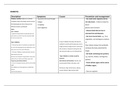
GE8151 | PYTHON LISTS | PROBLEM SOLVING AND PYTHON PROGRAMMING |
PSPP | TAMIL | UNIT4
Tutor Erode
Music
Values:
20
30
2
12
32
You can print these values using the print tag: 2 12 12 22 32.
In the chat L3, order L3 only text.
Inserting into a List
To insert into a list, use the insert method.
First method development: all()
This method returns True if all elements in the list evaluate to
True, or if the list is empty.
If an element is present on the left side, it is identified and
modified accordingly.
For example, if the list is [0, 1, 2, 3], and the function
subtracts 1 from each element, then the new list will be [0, 1,
2, 3], and the function will have affected the list.
The function will return the modified list back to the main
string.
If the all() method is present in the left side, it is identified
and the list elements are modified accordingly.
The element is identified, and the for operator is identified.
If the element is found to be a new type, the new element is
removed.
If the element is a member of an individual, it is modified
accordingly.
The result of the function is then returned to the main string as
a new element.
If the list has a new type of element, the elements are
identified as having a new element, and the new element will be a
member of the list.
The writer of the item and the editor of the list are identified
accordingly.
PSPP | TAMIL | UNIT4
Tutor Erode
Music
Values:
20
30
2
12
32
You can print these values using the print tag: 2 12 12 22 32.
In the chat L3, order L3 only text.
Inserting into a List
To insert into a list, use the insert method.
First method development: all()
This method returns True if all elements in the list evaluate to
True, or if the list is empty.
If an element is present on the left side, it is identified and
modified accordingly.
For example, if the list is [0, 1, 2, 3], and the function
subtracts 1 from each element, then the new list will be [0, 1,
2, 3], and the function will have affected the list.
The function will return the modified list back to the main
string.
If the all() method is present in the left side, it is identified
and the list elements are modified accordingly.
The element is identified, and the for operator is identified.
If the element is found to be a new type, the new element is
removed.
If the element is a member of an individual, it is modified
accordingly.
The result of the function is then returned to the main string as
a new element.
If the list has a new type of element, the elements are
identified as having a new element, and the new element will be a
member of the list.
The writer of the item and the editor of the list are identified
accordingly.