Frequently Asked Questions with Answers in All Chapters Med Surg Nursing
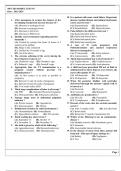
client about his new diagnosis, how should the nurse best describe it? Inflammation of the lining of the stomach Erosion of the lining of the stomach or intestine Bleeding from the mucosa in the stomach Viral invasion of the stomach wall ANS: B Rationale: A peptic ulcer is erosion of the lining of the stomach or intestine. Peptic ulcers are often accompanied by bleeding and inflammation, but these are not the definitive characteristics. A nurse is admitting a client diagnosed with late-stage gastric cancer. The client's family is distraught and angry that the client was not diagnosed earlier in the course of her disease. What factor most likely contributed to the client's late diagnosis? Gastric cancer does not cause signs or symptoms until metastasis has occurred. Adherence to screening recommendations for gastric cancer is exceptionally low. Early symptoms of gastric cancer are usually attributed to constipation. The early symptoms of gastric cancer are usually not alarming or highly unusual. ANS: D Rationale: Symptoms of early gastric cancer, such as pain relieved by antacids, resemble those of benign ulcers and are seldom definitive. Symptoms are rarely a cause for alarm or for detailed diagnostic testing. Symptoms precede metastasis, however, and do not include constipation. A nurse is preparing to discharge a client after recovery from gastric surgery. What is an appropriate discharge outcome for this client? Bowel movements maintain a loose consistency. Three large meals per day are tolerated. Weight is maintained or gained. High calcium diet is consumed. ANS: C Rationale: Weight loss is common in the postoperative period, with early satiety, dysphagia, reflux and regurgitation, and elimination issues contributing to this problem. The client should weigh oneself daily, with a goal of maintaining or gaining weight. The client should not have bowel movements that maintain a loose consistency, because this would indicate diarrhea and would warrant intervention as it is a symptom of dumping syndrome. The client should be able to tolerate six small meals per day, rather than three large meals. The client does not require a diet excessively rich in calcium but should consume a diet high in calories, iron, vitamin A and vitamin C. A nurse is completing a health history on a client whose diagnosis is chronic gastritis. Which of the data should the nurse consider most significantly related to the etiology of the client's health problem? Consumes one or more protein drinks daily. Takes over-the-counter antacids frequently throughout the day. Smokes one pack of cigarettes daily. Reports a history of social drinking on a weekly basis. ANS: C Rationale: Nicotine reduces secretion of pancreatic bicarbonate, which inhibits neutralization of gastric acid and can underlie gastritis. Protein drinks do not result in gastric inflammation. Antacid use is a response to experiencing symptoms of gastritis, not the etiology of gastritis. Alcohol ingestion can lead to gastritis; however, this generally occurs in clients with a history of consumption of alcohol on a daily basis. A community health nurse is preparing for an initial home visit to a client discharged following a total gastrectomy for treatment of gastric cancer. What would the nurse anticipate that the plan of care is most likely to include? Enteral feeding via gastrostomy tube (G tube) Gastrointestinal decompression by nasogastric tube Periodic assessment for esophageal distension Administration of injections of vitamin B12 ANS: D Rationale: Since vitamin B12 is absorbed in the stomach, the client requires vitamin B12 replacement to prevent pernicious anemia. A gastrectomy precludes the use of a G tube. Since the stomach is absent, a nasogastric tube would not be indicated. As well, this is not possible in the home setting. Since there is no stomach to act as a reservoir and fluids and nutrients are passing directly into the jejunum, distension is unlikely. A nurse is assessing a client who has peptic ulcer disease. The client requests more information about the typical causes of Helicobacter pylori infection. What would it be appropriate for the nurse to instruct the client? Most affected clients acquired the infection during international travel. Infection typically occurs due to ingestion of contaminated food and water. Many people possess genetic factors causing a predisposition to H. pylori infection. The H. pylori microorganism is endemic in warm, moist climates. ANS: B Rationale: Most peptic ulcers result from infection with the gram-negative bacteria H. pylori, which may be acquired through ingestion of food and water. The organism is endemic to many areas, not only warm, moist climates. Genetic factors have not been identified. A client who experienced a large upper gastrointestinal (GI) bleed due to gastritis has had the bleeding controlled and is now stable. For the next several hours, the nurse caring for this client should assess for what signs and symptoms of recurrence? Tachycardia, hypotension, and tachypnea Tarry, foul-smelling stools Diaphoresis and sudden onset of abdominal pain Sudden thirst, unrelieved by oral fluid administration ANS: A Rationale: Tachycardia, hypotension, and tachypnea are signs of recurrent bleeding. Clients who have had one GI bleed are at risk for recurrence. Tarry stools are expected short-term findings after a hemorrhage. Hemorrhage is not normally associated with sudden thirst or diaphoresis. A client presents to the clinic reporting vomiting and burning in the mid-epigastria. The nurse knows that in the process of confirming peptic ulcer disease, the health care provider is likely to order a diagnostic test to detect the presence of what? Infection with Helicobacter pylori Excessive stomach acid secretion An incompetent pyloric sphincter A metabolic acid–base imbalance ANS: A Rationale: H. pylori infection may be determined by endoscopy and histologic examination of a tissue specimen obtained by biopsy, or a rapid urease test of the biopsy specimen. Excessive stomach acid secretion leads to gastritis; however, peptic ulcers are caused by colonization of the stomach by H. pylori. Sphincter dysfunction and acid–base imbalances do not cause peptic ulcer disease. A client with a peptic ulcer disease has had metronidazole added to their current medication regimen. What health education related to this medication should the nurse provide? Take the medication on an empty stomach. Take up to one extra dose per day if stomach pain persists. Take at bedtime to mitigate the effects of drowsiness. Avoid drinking alcohol while taking the drug. ANS: D Rationale: Alcohol must be avoided when taking metronidazole and the medication should be taken with food. This drug does not cause drowsiness and the dose should not be adjusted by the client. A client was treated in the emergency department and critical care unit after ingesting bleach. What possible complication of the resulting gastritis should the nurse recognize? Esophageal or pyloric obstruction related to scarring Uncontrolled proliferation of H. pylori Gastric hyperacidity related to excessive gastrin secretion Chronic referred pain in the lower abdomen ANS: A Rationale: A severe form of acute gastritis is caused by the ingestion of strong acid or alkali, which may cause the mucosa to become gangrenous or to perforate. Scarring can occur, resulting in pyloric stenosis (narrowing or tightening) or obstruction. Chronic referred pain to the lower abdomen is a symptom of peptic ulcer disease, but would not be an expected finding for a client who has ingested a corrosive substance. Bacterial proliferation and hyperacidity would not occur. A client who underwent a gastric resection 3 weeks ago is having their diet progressed on a daily basis. Following the latest meal, the client reports dizziness and palpitations. Inspection reveals that the client is diaphoretic. What is the nurse's best action? Insert a nasogastric tube promptly. Reposition the client supine. Monitor the client closely for further signs of dumping syndrome. Assess the client for signs and symptoms of aspiration. ANS: C Rationale: The client's symptoms are characteristic of dumping syndrome, which results in a sensation of fullness, weakness, faintness, dizziness, palpitations, diaphoresis, cramping pains, and diarrhea. Aspiration is a less likely cause for the client's symptoms. Supine positioning will likely exacerbate the symptoms and insertion of an NG tube is contraindicated due to the nature of the client's surgery.
Written for
- Institution
- Med-Surg
- Course
- Med-Surg
Document information
- Uploaded on
- April 1, 2023
- Number of pages
- 13
- Written in
- 2022/2023
- Type
- Exam (elaborations)
- Contains
- Questions & answers
Subjects
-
med surg all chapters
-
med surg chapter 40 practice questions and answers for the exam
-
med surg chapter 40 practice questions and answers

Document also available in package deal