100% satisfaction guarantee Immediately available after payment Both online and in PDF No strings attached 4.2 TrustPilot
logo-home
Exam (elaborations)

NUR 355 Exam 2 (2023) Question & Answer

Rating
5,0
(2)
Sold
3
Pages
10
Grade
A+
Uploaded on
01-03-2023
Written in
2022/2023

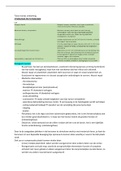
NUR 355 Exam 2 1. Active Natural Immunity: Received by exposure to a pathogen (e.g. getting COVID through exposure) a. Longest acting 2. Active artificial immunity: Vaccines 3. Innate: Natural (what your born with) 4. Natural passive: Breastfeed babies acquiring antibodies through breast milk 5. Artificial Passive: Immune serum 6. Type 1: Allergic (IgE) i. Anaphylaxis ii. Emergency b. Symptoms: i. Facial swelling ii. Auditory wheezing iii. Stridor iv. Maintain airway 7. Type 2: Cytotoxic (IgG, IgM) a. Blood reaction i. Stay with patient for first 15 minutes after administering blood products ii. Stop infusion immediately with AR and change tubing iii. Rapid infuse normal saline iv. Maintain airway v. Administer oxygen vi. Notify rapid response team vii. Symptoms 1. Increased heart rate 2. Increased respirtions 3. Fever viii. DO NOT LEAVE PATIENT ALONE 8. Type 3: Immune IgG, IgM) a. Complement release & information of deposit form antigens/antibodies. b. SLE (Lupus) i. Butterfly rash c. Fatigue d. Pale e. Females f. RA: i. bilateral ii. Red iii. Hot iv. Swollen joints g. Serum sickness: reaction to immune system from conditions antibodies such as snake bite 9. Type 4: Delayed a. Due to exposure i. Poison IVY ii. Positive TB test iii. Latex 10. Type 5: Stimulated a. Antibodies b. Hyperthyroidism c. Graves Disease (bulging eyes) 11. HIV/AIDS: HIV progresses to AIDS when rapid rise In HIV viral load and CD4+ falls below 200 cell/mm3 a. Risk factors i. Unprotected intercourse ii. IV drug use b. Stages i. Stage 1: HIV: 500 3 or more ii. Stage 2: HIV: 200-499 cell/mm3 iii. Stage 3: AIDS: <200 cell/mm3 iv. Stage 4: No information yet available c. Medication/treatment i. Protective isolation ii. Reverse isolation iii. ART medications 1. Antiretroviral Therapy (ART): Involves using 3 to 4 HIV medications in combination with other ART medications to reduce medication resistance, adverse effects and dosage. iv. Fusion inhibitors v. Entry inhibitors vi. Nucleoside reverse transcriptase inhibitors vii. Non-Nucleoside reverse transcriptase inhibitors viii. Protease inhibitors ix. Integrase inhibitors x. Antineoplastic medications d. Nursing education i. Safe sex ii. High protein/calorie diet e. Nursing interventions i. Universal protection ii. Protective isolation f. Complication of HIV i. Kaposis sarcoma 1. Cancer caused by virus 2. Kaposis sarcoma can lead to an opportunistic infection leading to sepsis leading to death. 12. Immunoglobulin a. IgM: 1st and largest response i. Mainly in blood and lymph fluid b. IgA: Oral, mucous membrane, secretory glands secretions i. Bowel movements ii. Sweat iii. Saliva c. IgG: Most abundant i. Can cross placenta ii. In all body fluid iii. Protects against viral and bacterial infections d. IgE: Medication for allergic response and defender against parasitic infections e. IgD: Located primarily on the surface of developing B lymphocytes i. Plays a role in B-Cell activation f. (To remember the order of immunoglobulins) i. M: Mother is always first ii. A: Ahhh for oral (when the doctor asks you to stick out your tongue and say ahh) iii. G: Mother says no you ask grandma iv. E: v. D: 13. Allergic Disorders: i. Contact dermatitis ii. Atopic dermatitis iii. Drug reaction iv. Latex v. Food allergy vi. Cold urticaria vii. Hereditary angioedema b. Assessment i. CBC ii. Eosinophil iii. Total Serum IgE iv. Skin test (prick and scratch) c. Atopic i. Asthma ii. Allergic rhinitis iii. Atopic dermatitis (familial) d. Non-Atopic i. Lack genetic component (latex) 14. Inflammation purpose: To prevent and/or limit infection and further damage to the involved area, remove debris, and prepare the area of injury for healing. a. Signs and symptoms i. Edema ii. Redness iii. Warmth 15. WBC/Leukocytes: Stimulate the inflammatory response and offer protection against various types of infections and foreign antigens a. Five WBCs i. Neutrophils ii. Lymphocytes iii. Monocytes iv. Eosinophils v. Basophils b. WBC range: 4,500-11,000mm3 c. Leukopenia: WBS <4000 i. Drug toxicity ii. Auto Immune disease iii. Bone marrow failure iv. Overwhelming infections d. Leukocytosis: WBCs >10,000 i. Inflammation infection ii. Trauma iii. Dehydration iv. Malignancies v. Stress vi. Steroid use vii. Thyroid e. Neutrophils: Immune systems 1st line of defense used to measure ones risk for infection i. Found in… 1. Bone marrow 2. Blood 3. Tissue ii. Neutropenia: <200 1. Patient receiving chemo/ radiation therapy 2. Virus 3. Bacterial infection

Show more Read less
Institution
Course


Whoops! We can’t load your doc right now. Try again or contact support.

Written for

Institution
Course

Document information

Uploaded on
March 1, 2023
Number of pages
10
Written in
2022/2023
Type
Exam (elaborations)
Contains
Questions & answers

Subjects

Content preview

lOMoARcPSD|19851541
NUR 355
Exam 2 (2023)
Question & Answer Acute & Chronic Health Disruptions In Adults I (Arizona College of Nursing)
Downloaded by Sandra Haller () lOMoARcPSD|19851541
NUR 355 Exam 2
1.Active Natural Immunity: Received by exposure to a pathogen (e.g. getting COVID through exposure)
a.Longest acting
2.Active artificial immunity: Vaccines
3.Innate: Natural (what your born with)
4.Natural passive: Breastfeed babies acquiring antibodies through breast milk
5.Artificial Passive: Immune serum
6.Type 1: Allergic (IgE)
i.Anaphylaxis
ii.Emergency
b.Symptoms:
i.Facial swelling
ii.Auditory wheezing
iii.Stridor
iv.Maintain airway
7.Type 2: Cytotoxic (IgG, IgM) a.Blood reaction
i.Stay with patient for first 15 minutes after administering blood products
ii.Stop infusion immediately with AR and change tubing
iii.Rapid infuse normal saline
iv.Maintain airway
v.Administer oxygen
vi.Notify rapid response team
vii.Symptoms
1.Increased heart rate
2.Increased respirtions
3.Fever viii.DO NOT LEAVE PATIENT ALONE
8.Type 3: Immune IgG, IgM)
a.Complement release & information of deposit form antigens/antibodies.
b.SLE (Lupus)
i.Butterfly rash
c.Fatigue
d.Pale
e.Females
f.RA: i.bilateral
ii.Red iii.Hot
iv.Swollen joints
Downloaded by Sandra Haller ()


Reviews from verified buyers

Showing all 2 reviews
2 months ago

1 year ago

Great review

1 year ago

Thank you. Reach out when you need other great documents

1 year ago

Goodluck in your exam

5,0

2 reviews

5
2
4
0
3
0
2
0
1
0
Trustworthy reviews on Stuvia

All reviews are made by real Stuvia users after verified purchases.

Get to know the seller

Seller avatar
Reputation scores are based on the amount of documents a seller has sold for a fee and the reviews they have received for those documents. There are three levels: Bronze, Silver and Gold. The better the reputation, the more your can rely on the quality of the sellers work.
NewMatic Chamberlain College Nursing
Follow You need to be logged in order to follow users or courses
Sold
386
Member since
3 year
Number of followers
311
Documents
1413
Last sold
3 weeks ago
NURSING STUDY GROUP

All MATERIAL POSTED BY ME IS VERIFIED. STUDYING MADE EASY.

4,0

69 reviews

5
34
4
16
3
7
2
6
1
6

Recently viewed by you

Why students choose Stuvia

Created by fellow students, verified by reviews

Quality you can trust: written by students who passed their exams and reviewed by others who've used these notes.

Didn't get what you expected? Choose another document

No worries! You can immediately select a different document that better matches what you need.

Pay how you prefer, start learning right away

No subscription, no commitments. Pay the way you're used to via credit card or EFT and download your PDF document instantly.

Student with book image

“Bought, downloaded, and aced it. It really can be that simple.”

Alisha Student

Frequently asked questions