‘Grief can feel like an ending, but it can also be a beginning.’
Compare how The 7 Stages of Grieving and The Longest Memory explore this idea.
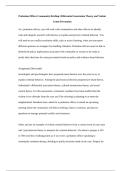
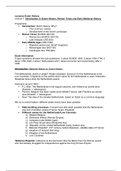
Set against the backdrop of pre-Civil War Virginia, Fred D’Aguiar’s 1994 novella The Longest Memory
utilises a grounded realism of historical fiction to depict the varying effects of grief on oppressed African
Americans. Likewise, Wesley Enoch and Deborah Mailman’s theatrical play The 7 Stages of Grieving
delineates how the loss of culture and family due to racial segregation impacts surviving Indigenous
Australians. Both texts convey that individuals have varying responses to loss-induced trauma, depending on
their ability to reconcile with grief and the period of time that has passed. The trio of authors highlight that as
racial segregation pervades through a society, victims may consequently lose hope or gather motivation to
retaliate. Furthermore, both the novella and the play present a highly sentimentalised portrayal of education
as a fundamental contributor to the suppression of grief. Ultimately, both publications reveal that victims of
an authoritarian and abusive social hierarchy have numerous sources of excruciating grief. However, they
assert that factors such as time, courage and education mediate this trauma with hope, thereby promoting
optimism for a better future.
Both texts illustrate that prolonged state of grief may eventually be repressed by the victims, thus allowing
them to escape its suffering. The novella illustrates this idea through Cook’s resilience and newly found sense
of purpose as she gratefully avows that “Whitechapel saved [her] life” during a time “any other man”
wouldn’t have. D’Aguiar associates Whitechapel with love and affection to showcase how as time progresses
and individuals form new bonds, the malignancy of their past trauma diminishes. Moreover, this idea is
depicted through Whitechapel’s growth through each timeframe that the novella explores. For instance,
‘Remembering’ opens in a dismal manner, during which Whitechapel enunciates that the “future is just more
of the past waiting to open”, conveying a loss of hope and vitality following the death of his son. However,
his loss also incites a change in perception regarding life on the plantation, from unfaltering loyalty to
disappointment at the master. Through Whitechapel’s loss-induced character development, D’Aguiar alludes
to the African Americans who historically succumbed to societal pressures and inevitably perpetuated the very
racist ideologies that restricted their freedom, highlighting that although grief caused them personal trauma,
it also stimulated self-reflection and a will for social reform. The play illustrates this idea during ‘Sobbing’
when certain juxtaposing words are projected onto the screen amidst a collection of distress-connoting
language. Enoch and Mailman use “passion” and “love”, as well as repetition of “nothing” to highlight that
grief infiltrates an individual’s mind in different ways, and while its primarily painful, the trauma can also
incite positive feelings as we attempt to cope with it. Moreover, Nana’s death has a deep impact on the family
since as the Woman laments, “our traditions, our heritage from [Nana are] now gone”. However, it also
becomes a source of Aunty Grace’s redemption since it forces her to “cry” and thus suppress the feelings of
guilt she may have for leaving her homeland and family. Through Aunty Grace’s crying, the playwrights
allude to Indigenous Australians that left their families due to pressures imposed upon them, suggesting that
despite their distance, collective grief over a loved one can bring unity and possibly, forgiveness. Both texts
highlight that grief impacts people in varying forms but is not ever-lasting, rather a temporary feeling that
heals over time as we form new relationships and redeem our past mistakes. Dissimilarly, D’Aguiar uses
Whitechapel’s grief over his son’s death as a possible motive for self-examination, whereas the playwrights
use Aunty Grace’s “crying” to encourage the unfettered release of emotions. Thus, whilst the novella endorses
a notion that personal loss provokes a moment of assessment and constructive change in an individual, the
play asserts that grief leads us to “catharsis” which mitigates trauma and provides solace differently.
Moreover, D’Aguiar uses Whitechapel as an allegory to deliver a broader message on the illusory life of
Virginian plantations and proposes that grief may discourage the loyalty of such slaves and give them courage
to retaliate collectively. On the other hand, Enoch, and Mailman’s didactic use of projections allude to the
subjugation of Indigenous Australians and how personal feelings of victims may be altered by the racial
majority. Ultimately, the trio of authors portray that despite the underlying trauma and pain, individuals are
capable of gradually repressing their grief and thus stimulating a positive change.
Perpetuation of racist ideologies disarms and leads to widespread sorrow amongst victims, which they may
use as a motivation to retaliate. In the novella, aside from the African Americans, tolerant white characters
like Lydia are also portrayed as victims of racial prejudice that pervades through the Virginian society. Lydia
Compare how The 7 Stages of Grieving and The Longest Memory explore this idea.
Set against the backdrop of pre-Civil War Virginia, Fred D’Aguiar’s 1994 novella The Longest Memory
utilises a grounded realism of historical fiction to depict the varying effects of grief on oppressed African
Americans. Likewise, Wesley Enoch and Deborah Mailman’s theatrical play The 7 Stages of Grieving
delineates how the loss of culture and family due to racial segregation impacts surviving Indigenous
Australians. Both texts convey that individuals have varying responses to loss-induced trauma, depending on
their ability to reconcile with grief and the period of time that has passed. The trio of authors highlight that as
racial segregation pervades through a society, victims may consequently lose hope or gather motivation to
retaliate. Furthermore, both the novella and the play present a highly sentimentalised portrayal of education
as a fundamental contributor to the suppression of grief. Ultimately, both publications reveal that victims of
an authoritarian and abusive social hierarchy have numerous sources of excruciating grief. However, they
assert that factors such as time, courage and education mediate this trauma with hope, thereby promoting
optimism for a better future.
Both texts illustrate that prolonged state of grief may eventually be repressed by the victims, thus allowing
them to escape its suffering. The novella illustrates this idea through Cook’s resilience and newly found sense
of purpose as she gratefully avows that “Whitechapel saved [her] life” during a time “any other man”
wouldn’t have. D’Aguiar associates Whitechapel with love and affection to showcase how as time progresses
and individuals form new bonds, the malignancy of their past trauma diminishes. Moreover, this idea is
depicted through Whitechapel’s growth through each timeframe that the novella explores. For instance,
‘Remembering’ opens in a dismal manner, during which Whitechapel enunciates that the “future is just more
of the past waiting to open”, conveying a loss of hope and vitality following the death of his son. However,
his loss also incites a change in perception regarding life on the plantation, from unfaltering loyalty to
disappointment at the master. Through Whitechapel’s loss-induced character development, D’Aguiar alludes
to the African Americans who historically succumbed to societal pressures and inevitably perpetuated the very
racist ideologies that restricted their freedom, highlighting that although grief caused them personal trauma,
it also stimulated self-reflection and a will for social reform. The play illustrates this idea during ‘Sobbing’
when certain juxtaposing words are projected onto the screen amidst a collection of distress-connoting
language. Enoch and Mailman use “passion” and “love”, as well as repetition of “nothing” to highlight that
grief infiltrates an individual’s mind in different ways, and while its primarily painful, the trauma can also
incite positive feelings as we attempt to cope with it. Moreover, Nana’s death has a deep impact on the family
since as the Woman laments, “our traditions, our heritage from [Nana are] now gone”. However, it also
becomes a source of Aunty Grace’s redemption since it forces her to “cry” and thus suppress the feelings of
guilt she may have for leaving her homeland and family. Through Aunty Grace’s crying, the playwrights
allude to Indigenous Australians that left their families due to pressures imposed upon them, suggesting that
despite their distance, collective grief over a loved one can bring unity and possibly, forgiveness. Both texts
highlight that grief impacts people in varying forms but is not ever-lasting, rather a temporary feeling that
heals over time as we form new relationships and redeem our past mistakes. Dissimilarly, D’Aguiar uses
Whitechapel’s grief over his son’s death as a possible motive for self-examination, whereas the playwrights
use Aunty Grace’s “crying” to encourage the unfettered release of emotions. Thus, whilst the novella endorses
a notion that personal loss provokes a moment of assessment and constructive change in an individual, the
play asserts that grief leads us to “catharsis” which mitigates trauma and provides solace differently.
Moreover, D’Aguiar uses Whitechapel as an allegory to deliver a broader message on the illusory life of
Virginian plantations and proposes that grief may discourage the loyalty of such slaves and give them courage
to retaliate collectively. On the other hand, Enoch, and Mailman’s didactic use of projections allude to the
subjugation of Indigenous Australians and how personal feelings of victims may be altered by the racial
majority. Ultimately, the trio of authors portray that despite the underlying trauma and pain, individuals are
capable of gradually repressing their grief and thus stimulating a positive change.
Perpetuation of racist ideologies disarms and leads to widespread sorrow amongst victims, which they may
use as a motivation to retaliate. In the novella, aside from the African Americans, tolerant white characters
like Lydia are also portrayed as victims of racial prejudice that pervades through the Virginian society. Lydia