Name: George Alexander
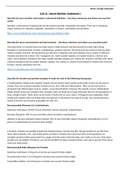
Unit 11 – Sports Nutrition- Assignment 1
Describe the term nutrition and include a referenced definition – Use these references and others you may find
useful:
Nutrition is the process of taking food into the body for growth, metabolism and repair. There are 6 nutritional
stages and they are: ingestion, digestion, absorption, transport, assimilation and excretion.
https://www.medicinenet.com/script/main/art.asp?articlekey=4602
Describe the terms macronutrient and micronutrient – Use these references and others you may find useful:
Macronutrients is a nutrient that your body needs in large amounts and they provide the body with energy.
Examples of macronutrients include: carbohydrates, proteins and fats. Micronutrients are nutrients that the body
needs in smaller amounts. Micronutrients are split into 4 categories and each category has a number of different
vitamins and minerals in them. The 4 categories are: water soluble vitamins, fat soluble vitamins, minerals and
water. Some vitamins included in the water soluble vitamins category are: vitamin B1, vitamin C and folic acid. Some
vitamins included in the fat soluble vitamins category are: vitamin A, vitamin D and vitamin E. Finally some minerals
include: calcium, potassium and iron.
https://mynutrition.wsu.edu/nutrition-basics
Describe the function and provide examples of foods for each of the following food groups:
• Carbohydrates (simple and complex)- Simple carb are broken down quickly by the body so they can be used as
energy. They can be found naturally in foods such as: fruit, milk and milk products. They can also be found in
processed and refined sugars such as: sweets, syrup and soft drinks. However the majority of your carbohydrate
intake should come from complex carbs. Complex carbs are made up of sugar molecules that are strung together in
long, complex chains. These carbs can be found in foods such as: peas, beans, wholegrains and vegetables. Both
simple and complex carbs are broken down into glucose in the body to be used as energy. Any unused glucose is
stored in the liver and muscles as glycogen for later use.
Recommended Allowance for Carbohydrates
Sedentary Individuals: 40-50% of your total daily calories should be carbohydrates
Exercises Regularly: 60% of your total daily calories should be carbohydrates
Athletes or persons involved in heavy training: 70% of your total daily calories should be carbohydrates (3.5-4.5
grams of carbohydrate per pound of body weight)
• Proteins- Proteins are needed to build and maintain bones, muscles and skin. We get proteins in our diet from
meat, dairy products, nuts, and certain grains and beans. Proteins from meat and other animal products are
complete proteins which means that they supply all of the amino acids the body can't make on its own. Most plant
proteins are incomplete. Therefore, you should eat different types of plant proteins every day to get all of the amino
acids your body needs.
Recommended Daily Allowance for Proteins
Sedentary Individuals: 0.36 grams of protein per pound of body weight
Recreationally Active: 0.45-0.68 grams of protein per pound of body weight
Competitive Athlete: 0.54-0.82 grams of protein per pound of body weight
, Teenage Athlete: 0.82-0.91 grams of protein per pound of body weight
Body Builder: 0.64-0.91 grams of protein per pound of body weight
When restricting Calories: 0364-0.91 grams of protein per pound of body weight
Maximum amount of protein the body can utilize: 0.91 grams of protein per pound of body weight
• Fats (saturated and unsaturated)- Saturated fat can raise blood cholesterol and can put you at risk for heart
disease and stroke. You should limit your intake of any foods that are high in saturated fat. Sources of saturated fat
include whole-milk dairy products, like cheese, ice cream and butter. Animal fats such as beef, pork or chicken, but
not most fish, are also a source of saturated fats. Vegetable sources of saturated fat include coconut and palm oils.
Unsaturated fats, which are liquid at room temperature, are considered beneficial fats because they can improve
blood cholesterol levels, ease inflammation, stabilize heart rhythms, and play a number of other beneficial roles.
Unsaturated fats are predominantly found in foods from plants, such as vegetable oils, nuts, and seeds. There are
two types of “good” unsaturated fats: monounsaturated fats which are found in high concentrations in: olive,
peanut, and canola oils, avocados, nuts such as almonds, hazelnuts, and pecans and seeds such as pumpkin and
sesame seeds. The second ‘good’ fat is polyunsaturated fats are found in high concentrations in: sunflower, corn,
soybean and flaxseed oils, walnuts, flax seeds and fish.
Recommended Allowance for Fats
20-35% of your total daily calories should come from fat
Less than 10% of total daily calories should come from Saturated Fat (coconut and plam kernal oil, shortening,
butter, cream cheese, full fat dairy products)
• Vitamins- Vitamins are substances that your body needs to grow and develop normally. There are 13 vitamins your
body needs and they are: vitamin A, B vitamins (thiamine, riboflavin, niacin, pantothenic acid, biotin, vitamin B-6,
vitamin B-12 and folate), vitamin C, vitamin D, vitamin E and vitamin K. You can usually get all your vitamins from the
foods you eat. Your body can also make vitamins D and K. People who eat a vegetarian diet may need to take a
vitamin B12 supplement. Each vitamin has specific jobs. If you have low levels of certain vitamins, you may get
health problems. For example, if you don't get enough vitamin C, you could become anaemic. Some vitamins may
help prevent medical problems, for example, vitamin A prevents night blindness.
• Minerals- Minerals are important for your body to stay healthy. Your body uses minerals for many different jobs,
including keeping your bones, muscles, heart, and brain working properly. Minerals are also important for making
enzymes and hormones. There are two kinds of minerals: macro-minerals and trace minerals. You need larger
amounts of macro-minerals. They include calcium, phosphorus, magnesium, sodium, potassium, chloride and
sulphur. You only need small amounts of trace minerals. They include iron, manganese, copper, iodine, zinc, cobalt,
fluoride and selenium.
• Fibre- Dietary fibre is a term that is used for plant-based carbohydrates that, unlike other carbohydrates (such as
sugars and starch), are not digested in the small intestine and so reaches the large intestine or colon. There are two
types of fibre: soluble fibre or insoluble fibre. Although scientific organisations argue that these terms are no longer
really appropriate, you may see these terms being used, with soluble fibre including pectins and beta glucans (found
for example in foods like fruit and oats) and insoluble fibre including cellulose (found for example in wholegrains and
nuts). Fibre rich foods include: wholegrain breakfast cereals, wholewheat pasta, wholegrain bread and oats, barley
and rye, fruit such as berries, pears, melon and oranges, vegetables such as broccoli, carrots and sweetcorn, peas,
beans and pulses, nuts and seeds and potatoes with skin.
Unit 11 – Sports Nutrition- Assignment 1
Describe the term nutrition and include a referenced definition – Use these references and others you may find
useful:
Nutrition is the process of taking food into the body for growth, metabolism and repair. There are 6 nutritional
stages and they are: ingestion, digestion, absorption, transport, assimilation and excretion.
https://www.medicinenet.com/script/main/art.asp?articlekey=4602
Describe the terms macronutrient and micronutrient – Use these references and others you may find useful:
Macronutrients is a nutrient that your body needs in large amounts and they provide the body with energy.
Examples of macronutrients include: carbohydrates, proteins and fats. Micronutrients are nutrients that the body
needs in smaller amounts. Micronutrients are split into 4 categories and each category has a number of different
vitamins and minerals in them. The 4 categories are: water soluble vitamins, fat soluble vitamins, minerals and
water. Some vitamins included in the water soluble vitamins category are: vitamin B1, vitamin C and folic acid. Some
vitamins included in the fat soluble vitamins category are: vitamin A, vitamin D and vitamin E. Finally some minerals
include: calcium, potassium and iron.
https://mynutrition.wsu.edu/nutrition-basics
Describe the function and provide examples of foods for each of the following food groups:
• Carbohydrates (simple and complex)- Simple carb are broken down quickly by the body so they can be used as
energy. They can be found naturally in foods such as: fruit, milk and milk products. They can also be found in
processed and refined sugars such as: sweets, syrup and soft drinks. However the majority of your carbohydrate
intake should come from complex carbs. Complex carbs are made up of sugar molecules that are strung together in
long, complex chains. These carbs can be found in foods such as: peas, beans, wholegrains and vegetables. Both
simple and complex carbs are broken down into glucose in the body to be used as energy. Any unused glucose is
stored in the liver and muscles as glycogen for later use.
Recommended Allowance for Carbohydrates
Sedentary Individuals: 40-50% of your total daily calories should be carbohydrates
Exercises Regularly: 60% of your total daily calories should be carbohydrates
Athletes or persons involved in heavy training: 70% of your total daily calories should be carbohydrates (3.5-4.5
grams of carbohydrate per pound of body weight)
• Proteins- Proteins are needed to build and maintain bones, muscles and skin. We get proteins in our diet from
meat, dairy products, nuts, and certain grains and beans. Proteins from meat and other animal products are
complete proteins which means that they supply all of the amino acids the body can't make on its own. Most plant
proteins are incomplete. Therefore, you should eat different types of plant proteins every day to get all of the amino
acids your body needs.
Recommended Daily Allowance for Proteins
Sedentary Individuals: 0.36 grams of protein per pound of body weight
Recreationally Active: 0.45-0.68 grams of protein per pound of body weight
Competitive Athlete: 0.54-0.82 grams of protein per pound of body weight
, Teenage Athlete: 0.82-0.91 grams of protein per pound of body weight
Body Builder: 0.64-0.91 grams of protein per pound of body weight
When restricting Calories: 0364-0.91 grams of protein per pound of body weight
Maximum amount of protein the body can utilize: 0.91 grams of protein per pound of body weight
• Fats (saturated and unsaturated)- Saturated fat can raise blood cholesterol and can put you at risk for heart
disease and stroke. You should limit your intake of any foods that are high in saturated fat. Sources of saturated fat
include whole-milk dairy products, like cheese, ice cream and butter. Animal fats such as beef, pork or chicken, but
not most fish, are also a source of saturated fats. Vegetable sources of saturated fat include coconut and palm oils.
Unsaturated fats, which are liquid at room temperature, are considered beneficial fats because they can improve
blood cholesterol levels, ease inflammation, stabilize heart rhythms, and play a number of other beneficial roles.
Unsaturated fats are predominantly found in foods from plants, such as vegetable oils, nuts, and seeds. There are
two types of “good” unsaturated fats: monounsaturated fats which are found in high concentrations in: olive,
peanut, and canola oils, avocados, nuts such as almonds, hazelnuts, and pecans and seeds such as pumpkin and
sesame seeds. The second ‘good’ fat is polyunsaturated fats are found in high concentrations in: sunflower, corn,
soybean and flaxseed oils, walnuts, flax seeds and fish.
Recommended Allowance for Fats
20-35% of your total daily calories should come from fat
Less than 10% of total daily calories should come from Saturated Fat (coconut and plam kernal oil, shortening,
butter, cream cheese, full fat dairy products)
• Vitamins- Vitamins are substances that your body needs to grow and develop normally. There are 13 vitamins your
body needs and they are: vitamin A, B vitamins (thiamine, riboflavin, niacin, pantothenic acid, biotin, vitamin B-6,
vitamin B-12 and folate), vitamin C, vitamin D, vitamin E and vitamin K. You can usually get all your vitamins from the
foods you eat. Your body can also make vitamins D and K. People who eat a vegetarian diet may need to take a
vitamin B12 supplement. Each vitamin has specific jobs. If you have low levels of certain vitamins, you may get
health problems. For example, if you don't get enough vitamin C, you could become anaemic. Some vitamins may
help prevent medical problems, for example, vitamin A prevents night blindness.
• Minerals- Minerals are important for your body to stay healthy. Your body uses minerals for many different jobs,
including keeping your bones, muscles, heart, and brain working properly. Minerals are also important for making
enzymes and hormones. There are two kinds of minerals: macro-minerals and trace minerals. You need larger
amounts of macro-minerals. They include calcium, phosphorus, magnesium, sodium, potassium, chloride and
sulphur. You only need small amounts of trace minerals. They include iron, manganese, copper, iodine, zinc, cobalt,
fluoride and selenium.
• Fibre- Dietary fibre is a term that is used for plant-based carbohydrates that, unlike other carbohydrates (such as
sugars and starch), are not digested in the small intestine and so reaches the large intestine or colon. There are two
types of fibre: soluble fibre or insoluble fibre. Although scientific organisations argue that these terms are no longer
really appropriate, you may see these terms being used, with soluble fibre including pectins and beta glucans (found
for example in foods like fruit and oats) and insoluble fibre including cellulose (found for example in wholegrains and
nuts). Fibre rich foods include: wholegrain breakfast cereals, wholewheat pasta, wholegrain bread and oats, barley
and rye, fruit such as berries, pears, melon and oranges, vegetables such as broccoli, carrots and sweetcorn, peas,
beans and pulses, nuts and seeds and potatoes with skin.