Tests for positive ions
Flame tests identify metal ions
1) compounds of some metals burn with a characteristic color
2) You can test for various metal ions by heating your substance and seeing whether it
burns with. A distinctive color ame:
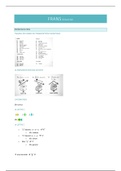
Metal ion Flame colour
Lithium (Li+) Crimson
Sodium (Na+) Yellow
Potassium (K+) Lilac
Calcium (Ca2+) Red
Barium (Ba2+) Green
3) To do the test, you rst need to clean a platinum wire loop by dipping it in some dilute
hydrochloric acid and then holding it in a blue ame from a Bunsen burner until it
burns without any color. Then, dip the loop into the sample you want to test and put it
back in the ame.
4) You can use the colors to detect and identify di erent ions. However it only works for
samples that contain a single metal ion. If the sample tested contains a mixture of
metal ions, the ame colors of some ions maybe hidden by the colors of others.
Some metals form a coloured precipitate with sodium
hydroxide
1) Many metal hydroxides are insoluble and precipitate out of solution when formed.
Some of these hydroxides have a characteristic color.
2) In this test, you add a few drops of sodium hydroxide solution to a solution of your
mystery compound - all in the hope of forming an insoluble hydroxide.
3) If you get a colored insoluble hydroxide you can often tell which metal was in the
compound.
fl fl fi fl flff
Flame tests identify metal ions
1) compounds of some metals burn with a characteristic color
2) You can test for various metal ions by heating your substance and seeing whether it
burns with. A distinctive color ame:
Metal ion Flame colour
Lithium (Li+) Crimson
Sodium (Na+) Yellow
Potassium (K+) Lilac
Calcium (Ca2+) Red
Barium (Ba2+) Green
3) To do the test, you rst need to clean a platinum wire loop by dipping it in some dilute
hydrochloric acid and then holding it in a blue ame from a Bunsen burner until it
burns without any color. Then, dip the loop into the sample you want to test and put it
back in the ame.
4) You can use the colors to detect and identify di erent ions. However it only works for
samples that contain a single metal ion. If the sample tested contains a mixture of
metal ions, the ame colors of some ions maybe hidden by the colors of others.
Some metals form a coloured precipitate with sodium
hydroxide
1) Many metal hydroxides are insoluble and precipitate out of solution when formed.
Some of these hydroxides have a characteristic color.
2) In this test, you add a few drops of sodium hydroxide solution to a solution of your
mystery compound - all in the hope of forming an insoluble hydroxide.
3) If you get a colored insoluble hydroxide you can often tell which metal was in the
compound.
fl fl fi fl flff