JESSICA TIDIMALO MALOKA
TMN3704
STUDENT NUMBER: 57327467
OCTOBER/NOVEMBER 2021
Question 1
1.1 C
1.2 C
1.3 C
1.4 B
1.5. B
1.6. B
1.7. D
1.8. A
1.9. A
1.10. A
Question 2
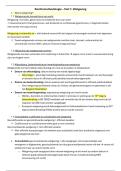
2.1 Mathematical notations include relatively simple symbolic representations such as the
number 0, 1 and 2: variables such as X, Y and Z, delimeters such as “C’ and “I” and
functions such as sin. Whereas symbols are figures or combination of figures that are used
to represent a mathematical object, an action on mathematical object, and a relation
between mathematical objects. Some examples of symbols in mathematics are:
+ (addition)
( subtraction)
× ( multiplication)
, ÷ (division
2.2 .1 He used subtraction instead of addition.
2.2.2 Learners think we subtract when multiplying.
2.2.3 When multiplying the 3-digits numbers with a 2 digit whole number we add the
results so that we can get the product. We do not use subtraction.
2.3 7×6 which reads 7 times 6 which literally means 7 groups of 6 items. This also
means you need to add 6 seven times 6+6+6+6+6+6+6= 42
2.4 The volume of the liquid is the amount of liquid that is in the jug therefore 1 litre is
1,000 cubic centimetres. Learners will read the volume of each small interval by placing
the jug on the table then lower their heads in order to be able to read at eye level and get
an accurate reading.
2.5.1 Relational understanding is having a mathematical rule, knowing both what to do
and why- an understanding of all of the parts, how they relate, and why they are applied in
the manner they are. Instrumental understanding is knowing a mathematical rule and
being able to apply it.
2.5.2. A fraction has two parts. The number on the top of the line is called the numerator.
It tells how many equal parts of the whole or collection are taken. The number below the
line is called the denominator. It shows the total divisible number of equal parts of the
whole or the total number of equal parts which are there in a collection.
2.6 Two third is 2/3 and one quarter is ¼ .
2/3 of 120= 120÷3 =40 then 40 × 2 = 80
AND ¼ of 120 = 120 ÷4= 30 then 30×1= 30
Therefore Zingi must take two third
Question 3
TMN3704
STUDENT NUMBER: 57327467
OCTOBER/NOVEMBER 2021
Question 1
1.1 C
1.2 C
1.3 C
1.4 B
1.5. B
1.6. B
1.7. D
1.8. A
1.9. A
1.10. A
Question 2
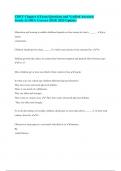
2.1 Mathematical notations include relatively simple symbolic representations such as the
number 0, 1 and 2: variables such as X, Y and Z, delimeters such as “C’ and “I” and
functions such as sin. Whereas symbols are figures or combination of figures that are used
to represent a mathematical object, an action on mathematical object, and a relation
between mathematical objects. Some examples of symbols in mathematics are:
+ (addition)
( subtraction)
× ( multiplication)
, ÷ (division
2.2 .1 He used subtraction instead of addition.
2.2.2 Learners think we subtract when multiplying.
2.2.3 When multiplying the 3-digits numbers with a 2 digit whole number we add the
results so that we can get the product. We do not use subtraction.
2.3 7×6 which reads 7 times 6 which literally means 7 groups of 6 items. This also
means you need to add 6 seven times 6+6+6+6+6+6+6= 42
2.4 The volume of the liquid is the amount of liquid that is in the jug therefore 1 litre is
1,000 cubic centimetres. Learners will read the volume of each small interval by placing
the jug on the table then lower their heads in order to be able to read at eye level and get
an accurate reading.
2.5.1 Relational understanding is having a mathematical rule, knowing both what to do
and why- an understanding of all of the parts, how they relate, and why they are applied in
the manner they are. Instrumental understanding is knowing a mathematical rule and
being able to apply it.
2.5.2. A fraction has two parts. The number on the top of the line is called the numerator.
It tells how many equal parts of the whole or collection are taken. The number below the
line is called the denominator. It shows the total divisible number of equal parts of the
whole or the total number of equal parts which are there in a collection.
2.6 Two third is 2/3 and one quarter is ¼ .
2/3 of 120= 120÷3 =40 then 40 × 2 = 80
AND ¼ of 120 = 120 ÷4= 30 then 30×1= 30
Therefore Zingi must take two third
Question 3