EVALUATE/ASSESS/TO WHAT EXTENT QUESTIONS
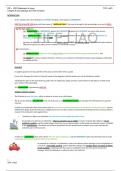
PSYCHOLOGY ESSAY PLANNER (8 MARKS)
TITLE: Evaluate Social Impact Theory.
INTRO:
Social impact theory is determined by strength of the source so its level of authority, immediacy which is how
close the source is to the target and the number of sources during the interaction. It is based on a formula,
f(sin). The person doing the influencing is the source and the person being influenced is the target.
STRENGTH: COUNTER:
However, this was a field
POINT: One strength of social impact theory is that it is supported by experiment so the
research. researchers could not
manipulate certain factors for
EVIDENCE: For example, research by Sedikides and Jackson 1990 at a zoo example the number of
where visitors were asked not to lean on the railing. When the keeper was visitors in a group, which
dressed as a keeper 58% obedience when he was in shorts and a t-shirt threatens internal validity.
obedience was 35% this tested authority. When they were in the same This could act as an
room obedience was 61% when in the adjacent room obedience was 7%- extraneous variable and have
testing immediacy. They also tested the divisional effect, obedience was an effect on the results.
greater in a small group, 60% but when visitors were in a large group Those that choose to go
obedience was 14%. around in larger groups may
be less obedient and so it was
EXPLANATION: This is important because it demonstrates the effect of not group size alone which
strength, immediacy and number in social impact. determined the obedience.
LINK: Therefore, supporting social impact theory as an explanation for
obedience.
MINI CONCLUSION: Overall, it can be said that although there is strong
supporting evidence for social impact theory explaining obedience, it can
also be said that the experiment was not fully controlled so other factors
could have been the cause of results.
WEAKNESS: COUNTER:
However, there was no
POINT: A weakness of social impact theory is that the role of immediacy control group where the
may not by key to social impact. doctor was present and told
the nurses to do this, this
EVIDENCE: Hofling in 1966, arranged for an unknown doctor to telephone means that we cannot be
22 nurses and asked each them to administer an overdose of a drug which certain that the absence of
was not on the ward list. 95% of nurses started to administer the drug the doctor was the true cause
even though the doctor was not immediately present. of the results.
EXPLANATION: This is important because it challenges social impact
theory as the source being absent should have reduced the effect due to
immediacy being low.
LINK: Therefore, social impact theory is not always correct in certain
situations.
MINI CONCLUSION: Overall although it can be said that immediacy is less
important than strength, there is no comparison that can be made as they
did not have a condition where the doctor was present.
CONCLUSION:
Although… it can be said that social impact is supported and disproved by research to suggest it does and
doesn’t explain obedience
It can also be said that…. Both of these studies are not as reliable as needed to be to fully explain social impact
theory and its components.
PSYCHOLOGY ESSAY PLANNER (8 MARKS)
TITLE: Evaluate Social Impact Theory.
INTRO:
Social impact theory is determined by strength of the source so its level of authority, immediacy which is how
close the source is to the target and the number of sources during the interaction. It is based on a formula,
f(sin). The person doing the influencing is the source and the person being influenced is the target.
STRENGTH: COUNTER:
However, this was a field
POINT: One strength of social impact theory is that it is supported by experiment so the
research. researchers could not
manipulate certain factors for
EVIDENCE: For example, research by Sedikides and Jackson 1990 at a zoo example the number of
where visitors were asked not to lean on the railing. When the keeper was visitors in a group, which
dressed as a keeper 58% obedience when he was in shorts and a t-shirt threatens internal validity.
obedience was 35% this tested authority. When they were in the same This could act as an
room obedience was 61% when in the adjacent room obedience was 7%- extraneous variable and have
testing immediacy. They also tested the divisional effect, obedience was an effect on the results.
greater in a small group, 60% but when visitors were in a large group Those that choose to go
obedience was 14%. around in larger groups may
be less obedient and so it was
EXPLANATION: This is important because it demonstrates the effect of not group size alone which
strength, immediacy and number in social impact. determined the obedience.
LINK: Therefore, supporting social impact theory as an explanation for
obedience.
MINI CONCLUSION: Overall, it can be said that although there is strong
supporting evidence for social impact theory explaining obedience, it can
also be said that the experiment was not fully controlled so other factors
could have been the cause of results.
WEAKNESS: COUNTER:
However, there was no
POINT: A weakness of social impact theory is that the role of immediacy control group where the
may not by key to social impact. doctor was present and told
the nurses to do this, this
EVIDENCE: Hofling in 1966, arranged for an unknown doctor to telephone means that we cannot be
22 nurses and asked each them to administer an overdose of a drug which certain that the absence of
was not on the ward list. 95% of nurses started to administer the drug the doctor was the true cause
even though the doctor was not immediately present. of the results.
EXPLANATION: This is important because it challenges social impact
theory as the source being absent should have reduced the effect due to
immediacy being low.
LINK: Therefore, social impact theory is not always correct in certain
situations.
MINI CONCLUSION: Overall although it can be said that immediacy is less
important than strength, there is no comparison that can be made as they
did not have a condition where the doctor was present.
CONCLUSION:
Although… it can be said that social impact is supported and disproved by research to suggest it does and
doesn’t explain obedience
It can also be said that…. Both of these studies are not as reliable as needed to be to fully explain social impact
theory and its components.