BUSINESS LITERACY
MODULE 1
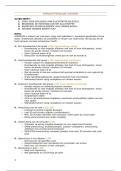
KEY PRINCIPLES OF EFFECTIVE BUSINESS COMMUNICATION
1. What is the definition of communication as per Merriam Webster Dictionary
2. What are the 5 questions according to Harold Lasswell’s model of communication
3. What are the 8 elements of communication
4. What questions would you ask yourself to establish the needs of your audience
5. Name the 4 categories of communication, briefly explain and give brief examples
6. What is meant by register
7. Name 2 organisational structures and what register would be used in each
8. Name the 2 types of verbal communication
Name the 3 types of non-verbal communication
9. Name the 4 types of visual non-verbal communication
Name the 2 types of sound non-verbal communication
Name the 1 type of touch non-verbal communication
10. Give examples of the 2 types of verbal communication
11. Name 3 types of non-verbal communication and give examples
12. Discuss the process of listening – 5 steps
13. Discuss the types of effective listening – 3 types
14. Discuss the types of feedback – 2 types
15. Name the 6 barriers to effective communication and give examples of each
16. How can barriers to effective communication be overcome – list 8 of possible 12
,INTRODUCTION TO COMMUNICATION
70% of our waking hours are spent communicating
Of the 70% of our time we spend communicating with others:-
- Listening = 45%
- Speaking = 30%
- Reading = 16%
- Writing = 9%
The average adult can remember 25% of a 10 minute presentation after 2 days
Misunderstandings and ineffective group performance in a workplace are due to poor
communication
Labour unrests are due to ineffective communication
Effective communication in the workplace is important for:-
- Explaining staff duties accurately
- Providing clear information/instructions
- Making decisions quickly and efficiently
- Developing good relationships
- Motivation
- Persuading clients to use service/product
- Persuading staff to follow idea
- Promoting self-expression
, 1. Merriam-Webster Dictionary - communication is the process by which information is
exchanged between individuals through a common system of symbols, signs or behaviour.
2. Harold Lasswell’s model of communication
Who? - (sender)
Said What? - (message)
In which channel? - (how)
To whom? - (receiver)
With what effect? - (feedback)
3. 8 elements of communication – this is an extension to Lasswell’s model – NOT his model
sender / communicator / transmitter
encoding
message
receiver / respondent / destination / audience
decoding – the interpretation process
channel / medium – how the message is sent
feedback / reaction / response
noise / interference
4. The following are typical questions to establish the needs of your audience
Who are they?
Size of group?
What do they expect from communication?
How much time do they have?
Are they comfortable?
Do they want to be here?
5. Categories of communication
Intrapersonal communication
This is the process of processing thoughts as a form of communication with oneself
e.g. the thoughts we have before expressing them to anyone
Interpersonal communication
This is communication between people – it could be between 2 or between small groups – this
is the most common form of communication
Extra personal communication
This is communication between a person and something that is not a person e.g. a dog or a
plant or an object
Mass communication
This is communication between a sender and a large impersonal audience who do not know
each other. The message is transmitted via internet, radio, television, printed media
(magazines, newspapers)
6. Register refers to the degree of formality you use to address a person or group
MODULE 1
KEY PRINCIPLES OF EFFECTIVE BUSINESS COMMUNICATION
1. What is the definition of communication as per Merriam Webster Dictionary
2. What are the 5 questions according to Harold Lasswell’s model of communication
3. What are the 8 elements of communication
4. What questions would you ask yourself to establish the needs of your audience
5. Name the 4 categories of communication, briefly explain and give brief examples
6. What is meant by register
7. Name 2 organisational structures and what register would be used in each
8. Name the 2 types of verbal communication
Name the 3 types of non-verbal communication
9. Name the 4 types of visual non-verbal communication
Name the 2 types of sound non-verbal communication
Name the 1 type of touch non-verbal communication
10. Give examples of the 2 types of verbal communication
11. Name 3 types of non-verbal communication and give examples
12. Discuss the process of listening – 5 steps
13. Discuss the types of effective listening – 3 types
14. Discuss the types of feedback – 2 types
15. Name the 6 barriers to effective communication and give examples of each
16. How can barriers to effective communication be overcome – list 8 of possible 12
,INTRODUCTION TO COMMUNICATION
70% of our waking hours are spent communicating
Of the 70% of our time we spend communicating with others:-
- Listening = 45%
- Speaking = 30%
- Reading = 16%
- Writing = 9%
The average adult can remember 25% of a 10 minute presentation after 2 days
Misunderstandings and ineffective group performance in a workplace are due to poor
communication
Labour unrests are due to ineffective communication
Effective communication in the workplace is important for:-
- Explaining staff duties accurately
- Providing clear information/instructions
- Making decisions quickly and efficiently
- Developing good relationships
- Motivation
- Persuading clients to use service/product
- Persuading staff to follow idea
- Promoting self-expression
, 1. Merriam-Webster Dictionary - communication is the process by which information is
exchanged between individuals through a common system of symbols, signs or behaviour.
2. Harold Lasswell’s model of communication
Who? - (sender)
Said What? - (message)
In which channel? - (how)
To whom? - (receiver)
With what effect? - (feedback)
3. 8 elements of communication – this is an extension to Lasswell’s model – NOT his model
sender / communicator / transmitter
encoding
message
receiver / respondent / destination / audience
decoding – the interpretation process
channel / medium – how the message is sent
feedback / reaction / response
noise / interference
4. The following are typical questions to establish the needs of your audience
Who are they?
Size of group?
What do they expect from communication?
How much time do they have?
Are they comfortable?
Do they want to be here?
5. Categories of communication
Intrapersonal communication
This is the process of processing thoughts as a form of communication with oneself
e.g. the thoughts we have before expressing them to anyone
Interpersonal communication
This is communication between people – it could be between 2 or between small groups – this
is the most common form of communication
Extra personal communication
This is communication between a person and something that is not a person e.g. a dog or a
plant or an object
Mass communication
This is communication between a sender and a large impersonal audience who do not know
each other. The message is transmitted via internet, radio, television, printed media
(magazines, newspapers)
6. Register refers to the degree of formality you use to address a person or group