Lecture 1
Introduction: Nokia on the wave
1992: Nokia decides to focus on telecommunications;
1996-2001: turnover increases 5 times: from 6.5 to 31 billion;
1998-2012: the world’s largest mobile phone manufacturer;
2003: Nokia 1100: (still) the best selling mobile phone of all times (250 million);
Decline and the end:
2007: the first iPhone launched;
2008: Nokia buys Symbian operating system;
Samsung & Sony move to Android operating system;
February 2011: Stephen Elopdecides an alliance with Microsoft-Symbian is replaced with
Windows Phone operating systems;
2011: Share values drop 14%, Nokia loses 368 million Euro
2011-2013: 24.500 employees are laid off;
Sept 2013: Microsoft buys Nokia for 3.7 billion euro;
2014: Nokia name appears no longer on the devices produced; Nokia considers a
rebranding;
What is organization development
The LONG-RANGE EFFORT to improve
- an organization’s/system’s problem-solving capabilities and
- its abilities to cope with changes in the external environment with the help of
external or internal behavioral-scientist consultants or change agents, as they are
sometimes called
Characteristics of organization development
Planned
Effectiveness
Scientific approach (e.g. team dynamics, work design)
Systemic approach
Changing organization environment
Major trends shaping change:
- Globalization & environment protection
- Information technology
- Managerial innovation
,Systemic approach
If you want to research organizational change you have to use a systemic approach.
Organizations are open systems that interact with their environment.
Feedback from the environment is essential for the organization to adapt and survive.
Open systems
- Organizations continually interact with their environments;
- Feed-back from the environment helps the system to adapt;
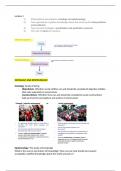
Forms of organizational adaptation
These are the different forms of organizational adaptation.
Based on environmental stability and adaptive orientation
, Changing in culture
Culture is a system of shared values and beliefs that interact with an organization's
people, structure, and systems to produce behavioral norms
When implementing changes you have to take into account that not everyone will like that.
It is important that you understand the different cultures in that organization.
Culture can be
- artifacts: clothes, language, behaviors;
- norms and values: unwritten rules;
- deep assumptions
Introduction: Nokia on the wave
1992: Nokia decides to focus on telecommunications;
1996-2001: turnover increases 5 times: from 6.5 to 31 billion;
1998-2012: the world’s largest mobile phone manufacturer;
2003: Nokia 1100: (still) the best selling mobile phone of all times (250 million);
Decline and the end:
2007: the first iPhone launched;
2008: Nokia buys Symbian operating system;
Samsung & Sony move to Android operating system;
February 2011: Stephen Elopdecides an alliance with Microsoft-Symbian is replaced with
Windows Phone operating systems;
2011: Share values drop 14%, Nokia loses 368 million Euro
2011-2013: 24.500 employees are laid off;
Sept 2013: Microsoft buys Nokia for 3.7 billion euro;
2014: Nokia name appears no longer on the devices produced; Nokia considers a
rebranding;
What is organization development
The LONG-RANGE EFFORT to improve
- an organization’s/system’s problem-solving capabilities and
- its abilities to cope with changes in the external environment with the help of
external or internal behavioral-scientist consultants or change agents, as they are
sometimes called
Characteristics of organization development
Planned
Effectiveness
Scientific approach (e.g. team dynamics, work design)
Systemic approach
Changing organization environment
Major trends shaping change:
- Globalization & environment protection
- Information technology
- Managerial innovation
,Systemic approach
If you want to research organizational change you have to use a systemic approach.
Organizations are open systems that interact with their environment.
Feedback from the environment is essential for the organization to adapt and survive.
Open systems
- Organizations continually interact with their environments;
- Feed-back from the environment helps the system to adapt;
Forms of organizational adaptation
These are the different forms of organizational adaptation.
Based on environmental stability and adaptive orientation
, Changing in culture
Culture is a system of shared values and beliefs that interact with an organization's
people, structure, and systems to produce behavioral norms
When implementing changes you have to take into account that not everyone will like that.
It is important that you understand the different cultures in that organization.
Culture can be
- artifacts: clothes, language, behaviors;
- norms and values: unwritten rules;
- deep assumptions