Advanced methods in rehabilitation sciences and physiotherapy in
oncological disorders – Eric Van Breda
• History of cancer
o Growths suggestive of the bone cancer called osteosarcoma have been seen in
mummies (3000 BC).
o Bony skull destruction as seen in cancer of the head and neck has also been found.
• Some numbers of cancer
o Survival varies between cancer types, ranging from 98% for testicular cancer to just
1% for pancreatic cancer.
o Many of the most commonly diagnosed cancers have ten-year survival of 50% or
more (2010-11).
o More than 80% of people diagnosed with cancer types which are easier to diagnose
and/or treat survive their cancer for ten years or more (2010-11).
o Less than 20% of people diagnosed with cancer types which are difficult to diagnose
and/or treat survive their cancer for ten years or more (2010-11).
• Cancer: past, present, to date and future
o Cancer from deadly disease to > 50% survival … and is now called a chronic disease.
• Why is cancer rehabilitation needed?
o Cancer survival rates continue to increase thus more survivors with issues.
o Willingness to discuss the needs of the patient.
o Thrust in cancer care is not simply on survival, but on QoL of survivors.
1
,• Cancer rehabilitation: definition
o Cancer rehabilitation is defined as helping a person with cancer to help himself or
herself to obtain maximum physical, social, psychological and vocational functioning
with the limits imposed by disease and its treatment.
• Quality of life (QOL)
o An individual’s perceptions of his position in life, in the context of the culture and
value systems in which he lives and in relation to his goals, standards and concerns.
• Rehabilitation goal(s)
o Success depends on succesful outcome upon
▪ Timely recognition of functional problems
▪ Prompt referral for rehabilitation
o Goals
▪ Restorative care goals: to return to individual to premorbid function with a
minimum of functional impairment
▪ Supportive care goals: to reduce functional difficulties and compensate for
permanent deficits
▪ Palliative treatment goal: usually for the terminal patient, works to eliminate
or reduce complications, especially pain
▪ Preventive rehabilitation goal: would include for example, preoperative
education regarding maintenance of strength and range of motion in the
upper extremity following breast surgery
• A heart patient receives a standers rehabilitation program:
o Reduction disability, optimalization condition, optimalization lifestyle, reduction
repeat risk, et
o For cancer patients treated with surgery, chemotherapy, radiation therapy no
standard programs and/or guidelines are available in Belgium.
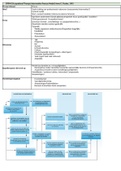
• Schema van fysieke doelen naar interventie: zie PPT1 dia 13
• Common rehabilitation problems seen in cancer patients
o Chemotherapy induced side effects
▪ Nausea and vomiting
▪ Fatigue
▪ Hair loss
▪ Susceptibility to infections
▪ Decrease in blood cell counts
• Exercise training:
o Increase total Hb and red cell mass, which enhances oxygen-
carrying capacity
2
, • Possible mechanisms:
o Stimulated erythropoiesis with hyperplasia of the
hematopoietic bone marrow
o Improvement of the hematropoietic microenvironment
induced by exercise therapy and homone- and cytokine-
accelerated erythropoiesis.
• Duration of neutropenia and thrombopenia after adjuvant
chemotherapy are significantly shorter in the aerobic exercise
training group than in controls.
▪ Mouth sores and ulcers
o Radiotherapy induced side effects
▪ Skin & soft tissue fibrosis
• Effect of radiation
• Loss of elasticity, vascularity & moisture
• Tissue thickening & Edema
• Contracture
▪ Management
• Moisturizing creams
• Splinting & orthotics
• Stretching exercises
o Fatigue
▪ Defined as:
• The feeling of extraordinary exhaustion associated with a high level
of distress, disproportionate to the patients’ activity, and is not
relieved by sleep or rest.
• Up to 70-90% of cancer patients during chemo and radiotherapy.
▪ Inactivity
• Muscle catabolism
• Perpetuate fatigue
▪ Management of fatigue
• Bed rest or aerobic exercise
• Energy conservation techniques
• Activity/exercise program
• Diversional activities
• Rest/sleep patterns
• Stress management
• Nutritional management
3
, o Myopathies
▪ Rehabilitation
• Tumor infiltration
• Paraneoplastic
o Carcinomatous myopathy & neuromyopathy
• Radiation
• Steroids & other chemotherapy
▪ The role of exercise
▪ Adaptive equipment etc.
o Neuropathies & plexopathies
▪ Causes
• Neurotoxic chemotherapy
• Direct invasion
• Paraneoplastic
• Radiation
• Compression
▪ Management
• Pain control
• Adaptive devices
• Bracing
• Other
o Pain
o Edema
o Immobility/generalized deconditioning
o Bone destruction
o Depression
o System specific problems
• The important thing is not how many years in your life, but how much life in your years.
• Quality of life (QOL)
o Dependent on: changed nutritional intake or expenditure during cancer and results
in, among other
▪ Sarcopenia
▪ Cachexia
▪ Muscle wasting
• Undernutrition:
o Not always visible
o What?
▪ An acute or chronic condition in which a:
Deficiency or dysbalance of energy, proteins or other micro or trace
nutritional element leads to measurable negative side effect on body
composition, body function or clinical results.
4
oncological disorders – Eric Van Breda
• History of cancer
o Growths suggestive of the bone cancer called osteosarcoma have been seen in
mummies (3000 BC).
o Bony skull destruction as seen in cancer of the head and neck has also been found.
• Some numbers of cancer
o Survival varies between cancer types, ranging from 98% for testicular cancer to just
1% for pancreatic cancer.
o Many of the most commonly diagnosed cancers have ten-year survival of 50% or
more (2010-11).
o More than 80% of people diagnosed with cancer types which are easier to diagnose
and/or treat survive their cancer for ten years or more (2010-11).
o Less than 20% of people diagnosed with cancer types which are difficult to diagnose
and/or treat survive their cancer for ten years or more (2010-11).
• Cancer: past, present, to date and future
o Cancer from deadly disease to > 50% survival … and is now called a chronic disease.
• Why is cancer rehabilitation needed?
o Cancer survival rates continue to increase thus more survivors with issues.
o Willingness to discuss the needs of the patient.
o Thrust in cancer care is not simply on survival, but on QoL of survivors.
1
,• Cancer rehabilitation: definition
o Cancer rehabilitation is defined as helping a person with cancer to help himself or
herself to obtain maximum physical, social, psychological and vocational functioning
with the limits imposed by disease and its treatment.
• Quality of life (QOL)
o An individual’s perceptions of his position in life, in the context of the culture and
value systems in which he lives and in relation to his goals, standards and concerns.
• Rehabilitation goal(s)
o Success depends on succesful outcome upon
▪ Timely recognition of functional problems
▪ Prompt referral for rehabilitation
o Goals
▪ Restorative care goals: to return to individual to premorbid function with a
minimum of functional impairment
▪ Supportive care goals: to reduce functional difficulties and compensate for
permanent deficits
▪ Palliative treatment goal: usually for the terminal patient, works to eliminate
or reduce complications, especially pain
▪ Preventive rehabilitation goal: would include for example, preoperative
education regarding maintenance of strength and range of motion in the
upper extremity following breast surgery
• A heart patient receives a standers rehabilitation program:
o Reduction disability, optimalization condition, optimalization lifestyle, reduction
repeat risk, et
o For cancer patients treated with surgery, chemotherapy, radiation therapy no
standard programs and/or guidelines are available in Belgium.
• Schema van fysieke doelen naar interventie: zie PPT1 dia 13
• Common rehabilitation problems seen in cancer patients
o Chemotherapy induced side effects
▪ Nausea and vomiting
▪ Fatigue
▪ Hair loss
▪ Susceptibility to infections
▪ Decrease in blood cell counts
• Exercise training:
o Increase total Hb and red cell mass, which enhances oxygen-
carrying capacity
2
, • Possible mechanisms:
o Stimulated erythropoiesis with hyperplasia of the
hematopoietic bone marrow
o Improvement of the hematropoietic microenvironment
induced by exercise therapy and homone- and cytokine-
accelerated erythropoiesis.
• Duration of neutropenia and thrombopenia after adjuvant
chemotherapy are significantly shorter in the aerobic exercise
training group than in controls.
▪ Mouth sores and ulcers
o Radiotherapy induced side effects
▪ Skin & soft tissue fibrosis
• Effect of radiation
• Loss of elasticity, vascularity & moisture
• Tissue thickening & Edema
• Contracture
▪ Management
• Moisturizing creams
• Splinting & orthotics
• Stretching exercises
o Fatigue
▪ Defined as:
• The feeling of extraordinary exhaustion associated with a high level
of distress, disproportionate to the patients’ activity, and is not
relieved by sleep or rest.
• Up to 70-90% of cancer patients during chemo and radiotherapy.
▪ Inactivity
• Muscle catabolism
• Perpetuate fatigue
▪ Management of fatigue
• Bed rest or aerobic exercise
• Energy conservation techniques
• Activity/exercise program
• Diversional activities
• Rest/sleep patterns
• Stress management
• Nutritional management
3
, o Myopathies
▪ Rehabilitation
• Tumor infiltration
• Paraneoplastic
o Carcinomatous myopathy & neuromyopathy
• Radiation
• Steroids & other chemotherapy
▪ The role of exercise
▪ Adaptive equipment etc.
o Neuropathies & plexopathies
▪ Causes
• Neurotoxic chemotherapy
• Direct invasion
• Paraneoplastic
• Radiation
• Compression
▪ Management
• Pain control
• Adaptive devices
• Bracing
• Other
o Pain
o Edema
o Immobility/generalized deconditioning
o Bone destruction
o Depression
o System specific problems
• The important thing is not how many years in your life, but how much life in your years.
• Quality of life (QOL)
o Dependent on: changed nutritional intake or expenditure during cancer and results
in, among other
▪ Sarcopenia
▪ Cachexia
▪ Muscle wasting
• Undernutrition:
o Not always visible
o What?
▪ An acute or chronic condition in which a:
Deficiency or dysbalance of energy, proteins or other micro or trace
nutritional element leads to measurable negative side effect on body
composition, body function or clinical results.
4