Module 3.2:
Chromosomes and meiosis
Glossary:
All words with ‘*’ can be found below, however, some definitions are found within the
text
Chromosome: Long thread-like structures that form part of the chromatin network in
the nuclei of the cell. Made of DNA strand wound around proteins called a histone
Somatic cells: Body cells
Maternal chromosomes: Chromosomes from mother
Paternal chromosomes: Chromosomes from father
Homologous pair: Chromosomes of the same size and shape but the alleles for each
trait may not be in the same place
Allele: A version of a gene that contains two if each kind of gene before replication
Mitosis: Process of cell division that enables organisms to grow and repair damaged
tissue
Meiosis: Process of cell division that takes place in the reproductive organs of both
plants (to produce spores) and animals (to produce gametes)
Gametes: Sex cells
Haploid: Contain one set of chromosomes (1n), i.e. one chromosome from each pair
Spermatogenesis: Formation of sperm cells in the testis
Oogenesis: Formation of egg cells/ova in ovaries
Microsporangia: Pollen sacs in male anthers of seed-bearing plants
Megasporangia: Ovules in the female ovaries of seed-bearing plants
Centromere: holds two chromatids together
Bivalent: homologous chromosomes in pairs
Synapsis: Process by which replicated homologous pairs of chromosomes come
together
Chiasmata: The points of crossing over where the chromatids break
Recombinant: Inner part of maternal and paternal chromosomes changing place
Parental: Outer, unexchanged chromatids
Chromosome non-disjunction: Chromosomes fail to separate correctly during meiosis
Syndromes: Physical and mental characteristics of affected individuals
Diagnosis: Identifying the nature of an event
Prognosis: Predicting how event will develop
Maternal age effect: Difficult in chromosomes separating due to ageing
Karyotype: A set of chromosomes in a cell
Autosome: Non-sex chromosomes
Gonosomes: Sex chromosomes
Chromosomes*:
, - Discovered in 1888, absorbed dye easily, therefore were called chromosomes
(aka coloured bodies. They were only seen under a microscope.
Somatic cells*: (In diploid organisms)
- Same number of chromosomes in each cell
- Chromosomes made of two sets (2 pairs = Diploid = 2n)
- Maternal chromosomes*
- Paternal chromosomes *
- Each paternal chromosome* has a matching maternal chromosome to form a
homologous pair
Meiosis*:
- In this process:
1. Number of chromosomes is HALVED: reduces from 2n (2 pairs) in the parent cell
to 1n (1 pair) in each daughter cell formed
2. GAMETES*/SPORES formed: they are called haploid*
In sexual reproduction, a male haploid gamete fuses with a female haploid gamete
during fertilisation to form a zygote
- Process takes place in:
1. Testis and ovaries in reproductive organs of animals
2. Sporangia in the formation of spores
*Study terminology in the glossary for the sexual processes and organs
The process of meiosis
- The DNA of the parent cells are replicated in interphase
- It involves two phases:
MEIOSIS 1: a reduction division which results in 2 haploid cells being formed, each
with half the number of chromosomes of the parent cell
MEIOSIS 2: a copying division which involves 2 haploid cells forming, each dividing
again by mitosis to form 4 haploid cells
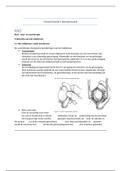
MEIOSIS 1
Phase Representation
Chromosomes and meiosis
Glossary:
All words with ‘*’ can be found below, however, some definitions are found within the
text
Chromosome: Long thread-like structures that form part of the chromatin network in
the nuclei of the cell. Made of DNA strand wound around proteins called a histone
Somatic cells: Body cells
Maternal chromosomes: Chromosomes from mother
Paternal chromosomes: Chromosomes from father
Homologous pair: Chromosomes of the same size and shape but the alleles for each
trait may not be in the same place
Allele: A version of a gene that contains two if each kind of gene before replication
Mitosis: Process of cell division that enables organisms to grow and repair damaged
tissue
Meiosis: Process of cell division that takes place in the reproductive organs of both
plants (to produce spores) and animals (to produce gametes)
Gametes: Sex cells
Haploid: Contain one set of chromosomes (1n), i.e. one chromosome from each pair
Spermatogenesis: Formation of sperm cells in the testis
Oogenesis: Formation of egg cells/ova in ovaries
Microsporangia: Pollen sacs in male anthers of seed-bearing plants
Megasporangia: Ovules in the female ovaries of seed-bearing plants
Centromere: holds two chromatids together
Bivalent: homologous chromosomes in pairs
Synapsis: Process by which replicated homologous pairs of chromosomes come
together
Chiasmata: The points of crossing over where the chromatids break
Recombinant: Inner part of maternal and paternal chromosomes changing place
Parental: Outer, unexchanged chromatids
Chromosome non-disjunction: Chromosomes fail to separate correctly during meiosis
Syndromes: Physical and mental characteristics of affected individuals
Diagnosis: Identifying the nature of an event
Prognosis: Predicting how event will develop
Maternal age effect: Difficult in chromosomes separating due to ageing
Karyotype: A set of chromosomes in a cell
Autosome: Non-sex chromosomes
Gonosomes: Sex chromosomes
Chromosomes*:
, - Discovered in 1888, absorbed dye easily, therefore were called chromosomes
(aka coloured bodies. They were only seen under a microscope.
Somatic cells*: (In diploid organisms)
- Same number of chromosomes in each cell
- Chromosomes made of two sets (2 pairs = Diploid = 2n)
- Maternal chromosomes*
- Paternal chromosomes *
- Each paternal chromosome* has a matching maternal chromosome to form a
homologous pair
Meiosis*:
- In this process:
1. Number of chromosomes is HALVED: reduces from 2n (2 pairs) in the parent cell
to 1n (1 pair) in each daughter cell formed
2. GAMETES*/SPORES formed: they are called haploid*
In sexual reproduction, a male haploid gamete fuses with a female haploid gamete
during fertilisation to form a zygote
- Process takes place in:
1. Testis and ovaries in reproductive organs of animals
2. Sporangia in the formation of spores
*Study terminology in the glossary for the sexual processes and organs
The process of meiosis
- The DNA of the parent cells are replicated in interphase
- It involves two phases:
MEIOSIS 1: a reduction division which results in 2 haploid cells being formed, each
with half the number of chromosomes of the parent cell
MEIOSIS 2: a copying division which involves 2 haploid cells forming, each dividing
again by mitosis to form 4 haploid cells
MEIOSIS 1
Phase Representation