Contents
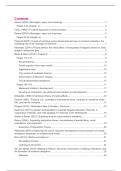
Danesi (2004) | Messages, signs, and meanings .................................................................. 3
Pages 3-23 (chapter 1) ...................................................................................................... 3
Carey (1992) | A cultural approach to communication ............................................................ 5
Danesi (2004) | Messages, signs and meanings ................................................................... 5
Pages 23-45 (chapter 2) .................................................................................................... 5
Polyorat (2007) | Impact of narrative versus factual print ad copy on product evaluation: the
mediating role of ad message involvement ............................................................................ 7
Kleemans (2016) | Picture perfect: the direct effect of manipulated Instagram photos on body
image in adolescent girls ....................................................................................................... 8
Baran & Davis (2015) | Chapter 6 .......................................................................................... 8
Pages 170-179 .................................................................................................................. 8
Social learning ................................................................................................................ 9
Social cognition from mass media .................................................................................10
Aggressive cues ............................................................................................................10
The context of mediated violence ..................................................................................10
Active theory of television viewing ................................................................................. 11
The developmental perspective ..................................................................................... 11
Pages 185-195 ................................................................................................................. 11
Media and children’s development ................................................................................ 11
Growing up connected: new personal technologies and development ...........................12
Scheufele (1999) | Framing as theory of media effects .........................................................12
Entman (1991) | Framing U.S. coverage of international news: contrasts in narratives of the
KAL and Iran Air Incidents ....................................................................................................13
Morgan (2015) | Yesterday’s New Cultivation, Tomorrow ......................................................14
Daalmans (2017) | Gender representation on gender-targeted television channels: a
comparison of female- and male-targeted TV channels in the Netherlands ..........................16
Shafer & Raney (2012) | Exploring how we enjoy antihero narratives ...................................17
Raney (2004) | Expanding disposition theory: reconsidering character liking, moral
evaluations, and enjoyment ..................................................................................................19
Expansion of Disposition Theory ...................................................................................20
Kleemans (2016) | Explaining the role of character development in the evaluation of morally
ambiguous characters in entertainment media .....................................................................20
Blom (2012) | Stories we believe in ......................................................................................21
Storytelling animals .......................................................................................................21
Learning to tell stories ...................................................................................................21
Van den Bergh (2016) | Making a believer: discourse construction in ‘Making a Murderer’ and
the formation of audience allegiance ....................................................................................22
Selection .......................................................................................................................22
, Order .............................................................................................................................23
Emphasis ......................................................................................................................23
Voice .............................................................................................................................23
Condit (1985) | The rhetoric objectivity in the newspaper coverage of a murder trial ............23
Wagenaar (1993) | Anchored narratives, the psychology of criminal evidence ......................25
Chapter 2. The theory of anchored narratives ...................................................................25
Logical inference theories..............................................................................................25
Hypothesis testing .........................................................................................................25
Anchored narratives ......................................................................................................25
Chapter 3. Proof by narrative only.....................................................................................27
, Danesi (2004) | Messages, signs, and meanings
Pages 3-23 (chapter 1)
Semiotics = science that attempts to answer the following question: what does X mean? X
stands for something else, Y
X=Y
Sign = anything that stands for something other than itself
Referent = the thing to which a sign refers
- concrete referent (‘cat’) → appointable
- abstract referent (‘bright idea’) → imaginary
Concept = the image that comes to mind when hearing a sign
superordinate → basic → subordinate
superordinate concept: general classificatory function
basic concept: examples of superordinate concept
subordinate concept: subtype of the basic concept
Three dimensions to a sign → (1) a physical which (2) elicits a concept, which (3) is given
culturally conditioned form
Natural signs → found in nature
Conventional signs → made by human
- verbal signs
- nonverbal signs
Semiotic method
• Synchronic study of signs = the study of signs at a given point of time, normally the
present
• Diachronic study of signs = the study of how signs change, in form and meaning, over
time
➔ Introduced by Saussure
Semiotic method
1) Syntactics: the study of the relations between a sign and other signs
2) Semantics: the study of the relations between signs and their basic meanings
3) Pragmatics: the study of the relations between signs and their use
➔ Introduced by Charles Morris
Narratology = the study of how human beings in different cultures invent similar kinds of
narratives with virtually the same stock of characters, motifs, themes and plots (Greimos)
Semiotics pays more attention to what messages mean, and how they have been put
together with signs.
Communication theory = how messages are put together so that they can be changed
effectively
Signification = what happens in our mind when we use or interpret a sign
denotation & connotation
denotation: the evocation of a basic type of image
Danesi (2004) | Messages, signs, and meanings .................................................................. 3
Pages 3-23 (chapter 1) ...................................................................................................... 3
Carey (1992) | A cultural approach to communication ............................................................ 5
Danesi (2004) | Messages, signs and meanings ................................................................... 5
Pages 23-45 (chapter 2) .................................................................................................... 5
Polyorat (2007) | Impact of narrative versus factual print ad copy on product evaluation: the
mediating role of ad message involvement ............................................................................ 7
Kleemans (2016) | Picture perfect: the direct effect of manipulated Instagram photos on body
image in adolescent girls ....................................................................................................... 8
Baran & Davis (2015) | Chapter 6 .......................................................................................... 8
Pages 170-179 .................................................................................................................. 8
Social learning ................................................................................................................ 9
Social cognition from mass media .................................................................................10
Aggressive cues ............................................................................................................10
The context of mediated violence ..................................................................................10
Active theory of television viewing ................................................................................. 11
The developmental perspective ..................................................................................... 11
Pages 185-195 ................................................................................................................. 11
Media and children’s development ................................................................................ 11
Growing up connected: new personal technologies and development ...........................12
Scheufele (1999) | Framing as theory of media effects .........................................................12
Entman (1991) | Framing U.S. coverage of international news: contrasts in narratives of the
KAL and Iran Air Incidents ....................................................................................................13
Morgan (2015) | Yesterday’s New Cultivation, Tomorrow ......................................................14
Daalmans (2017) | Gender representation on gender-targeted television channels: a
comparison of female- and male-targeted TV channels in the Netherlands ..........................16
Shafer & Raney (2012) | Exploring how we enjoy antihero narratives ...................................17
Raney (2004) | Expanding disposition theory: reconsidering character liking, moral
evaluations, and enjoyment ..................................................................................................19
Expansion of Disposition Theory ...................................................................................20
Kleemans (2016) | Explaining the role of character development in the evaluation of morally
ambiguous characters in entertainment media .....................................................................20
Blom (2012) | Stories we believe in ......................................................................................21
Storytelling animals .......................................................................................................21
Learning to tell stories ...................................................................................................21
Van den Bergh (2016) | Making a believer: discourse construction in ‘Making a Murderer’ and
the formation of audience allegiance ....................................................................................22
Selection .......................................................................................................................22
, Order .............................................................................................................................23
Emphasis ......................................................................................................................23
Voice .............................................................................................................................23
Condit (1985) | The rhetoric objectivity in the newspaper coverage of a murder trial ............23
Wagenaar (1993) | Anchored narratives, the psychology of criminal evidence ......................25
Chapter 2. The theory of anchored narratives ...................................................................25
Logical inference theories..............................................................................................25
Hypothesis testing .........................................................................................................25
Anchored narratives ......................................................................................................25
Chapter 3. Proof by narrative only.....................................................................................27
, Danesi (2004) | Messages, signs, and meanings
Pages 3-23 (chapter 1)
Semiotics = science that attempts to answer the following question: what does X mean? X
stands for something else, Y
X=Y
Sign = anything that stands for something other than itself
Referent = the thing to which a sign refers
- concrete referent (‘cat’) → appointable
- abstract referent (‘bright idea’) → imaginary
Concept = the image that comes to mind when hearing a sign
superordinate → basic → subordinate
superordinate concept: general classificatory function
basic concept: examples of superordinate concept
subordinate concept: subtype of the basic concept
Three dimensions to a sign → (1) a physical which (2) elicits a concept, which (3) is given
culturally conditioned form
Natural signs → found in nature
Conventional signs → made by human
- verbal signs
- nonverbal signs
Semiotic method
• Synchronic study of signs = the study of signs at a given point of time, normally the
present
• Diachronic study of signs = the study of how signs change, in form and meaning, over
time
➔ Introduced by Saussure
Semiotic method
1) Syntactics: the study of the relations between a sign and other signs
2) Semantics: the study of the relations between signs and their basic meanings
3) Pragmatics: the study of the relations between signs and their use
➔ Introduced by Charles Morris
Narratology = the study of how human beings in different cultures invent similar kinds of
narratives with virtually the same stock of characters, motifs, themes and plots (Greimos)
Semiotics pays more attention to what messages mean, and how they have been put
together with signs.
Communication theory = how messages are put together so that they can be changed
effectively
Signification = what happens in our mind when we use or interpret a sign
denotation & connotation
denotation: the evocation of a basic type of image