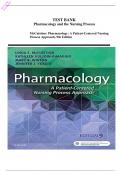
TEST BANK FOR CURRENT MEDICAL DIAGNOSIS AND
hb6 hb6 hb6 hb6 hb6 hb6 hb6
TREATMENT 2023/2024 62ND EDITION BY BY MAXINE
hb6 hb6 hb6 hb6 hb6 hb6 hb6 hb6
PAPADAKIS
hb6
, Test bank-CURRENT Medical Diagnosis hb6 hb6 hb6
andTreatment-latest2023/2024 hb6 6
b
h 6
b
h
Chapter1. Disease Prevention &HealthPromotion
hb6 hb6 hb6 hb6 hb6 hb6
1. Which of the following behaviors indicates the highest potential for spreading infections among
hb6 hb6 hb6 hb6 hb6 hb6 hb6 hb6 hb6 hb6 hb6 hb6 hb6
clients? The nurse:
hb6 hb6 hb6
1) disinfects dirtyhands withantibacterialsoap. hb6 hb6 hb6 hb6 hb6
2) allows alcohol-based rub todry for 10 seconds. hb6 hb6 hb6 hb6 hb6 hb6 hb6
3) washes hands onlyafter leavingeachroom. hb6 hb6 hb6 hb6 hb6 hb6
4)uses cold water formedical asepsis. hb6 hb6 hb6 hb6 hb6
2. What is the most frequent cause of the spread of infection among institutionalized
hb6 hb6 hb6 hb6 hb6 hb6 hb6 hb6 hb6 hb6 hb6 hb6 hb6
patients?
1) Airbornemicrobes from otherpatients hb6 hb6 hb6 hb6
2) Contactwithcontaminated equipment hb6 hb6 hb6
3) Hands ofhealthcare workers hb6 hb6 hb6
4) Exposurefrom familymembers hb6 hb6 hb6
3. Which of the following nursing activities is of highest priority for maintaining medical
hb6 hb6 hb6 hb6 hb6 hb6 hb6 hb6 hb6 hb6 hb6 hb6 hb6
hb6 asepsis?
1) Washinghands hb6
2) Donning gloves hb6
3) Applyingsteriledrapes hb6 hb6
4) Wearing a gown hb6 hb6
4. Apatient infected witha virus butwhodoes not haveany outward sign ofthedisease is
hb6 hb6 hb6 hb6 hb6 hb6 hb6 hb6 hb6 hb6 hb6 hb6 hb6 hb6 hb6 hb6 hb6 hb6
considered a:
hb6 hb6
1) pathogen.
2) fomite.
3) vector.
4) carrier.
5. A patient is admitted to the hospital with tuberculosis. Which precautions must the nurse
hb6 hb6 hb6 hb6 hb6 hb6 hb6 hb6 hb6 hb6 hb6 hb6 hb6 hb6
institute when caring for this patient?
hb6 hb6 hb6 hb6 hb6 hb6
1) Droplettransmission hb6
2) Airborne transmission hb6
3) Directcontact hb6
4) Indirectcontact hb6
, 6. A patient becomes infected with oral candidiasis (thrush) while receiving intravenous
hb6 hb6 hb6 hb6 hb6 hb6 hb6 hb6 hb6 hb6 hb6
antibiotics to treat a systemic infection. Which type of infection has the patient developed?
hb6 hb6 hb6 hb6 hb6 hb6 hb6 hb6 hb6 hb6 hb6 hb6 hb6 hb6
1) Endogenousnosocomial hb6
2) Exogenousnosocomial hb6
3)
Latent
4)
Primary
7.The nurseassists asurgeonwithcentralvenous catheter insertion.Which action is
hb6 hb6 hb6 hb6 hb6 hb6 hb6 hb6 hb6 hb6 hb6 hb6
hb6 necessary to help maintain sterile technique? hb6 hb6 hb6 hb6 hb6
1) Closing thepatients door to limitroom traffic while preparing thesterile field hb6 hb6 hb6 hb6 hb6 hb6 hb6 hb6 hb6 hb6 hb6 hb6
2) Usingcleanprocedure gloves tohandle sterileequipment hb6 hb6 hb6 hb6 hb6 hb6 hb6
3)
Placingthe nonsterile syringes containing flushsolution on thesterile field hb6 hb6 hb6 hb6 hb6 hb6 hb6 hb6 hb6 hb6
4)
Remaining6 inches away from thesterile field duringthe procedure hb6 hb6 hb6 hb6 hb6 hb6 hb6 hb6 hb6 hb6
h 8.A patient admitted to the hospital with pneumonia has been receiving antibiotics for 2
b 6 h b 6 hb6 hb6 hb6 hb6 hb6 hb6 hb6 hb6 hb6 hb6 hb6 hb6 hb6
days. His condition has stabilized, and his temperature has returned to normal. Which stage of
hb6 hb6 hb6 hb6 hb6 hb6 hb6 hb6 hb6 hb6 hb6 hb6 hb6 hb6 hb6
infection is the patient most likely experiencing?
hb6 hb6 hb6 hb6 hb6 hb6 hb6
1) Incubation
2) Prodromal
3) Decline
4) Convalescence
5) 8.
9. A patient develops localized heat and erythema over an area on the lower leg. These
hb6 hb6 hb6 hb6 hb6 hb6 hb6 hb6 hb6 hb6 hb6 hb6 hb6 hb6 hb6
findings are indicative of which secondary defense against infection?
hb6 hb6 hb6 hb6 hb6 hb6 hb6 hb6 hb6
1) Phagocytosis
2) Complement cascade hb6
3)
Inflammation
4)
Immunity
10. The patient suddenly develops hives, shortness of breath, and wheezing after receiving an
hb6 hb6 hb6 hb6 hb6 hb6 hb6 hb6 hb6 hb6 hb6 hb6 hb6
antibiotic. Which antibody is primarily responsible for this patients response?
hb6 hb6 hb6 hb6 hb6 hb6 hb6 hb6 hb6 hb6
1) IgA
2) IgE
IgG 3)
IgM 4)
11. What type of immunity is provided by intravenous (IV) administration of
hb6 hb6 hb6 hb6 hb6 hb6 hb6 hb6 hb6 hb6 hb6
immunoglobulin G?
hb6 hb6
1) Cell-mediated
2) Passive
3) Humoral
4) Active
, 12. A patient asks the nurse why there isno vaccine available for the common cold. Which
hb6 hb6 hb6 hb6 hb6 hb6 hb6 hb6 hb6 hb6 hb6 hb6 hb6 hb6 hb6 hb6
response by the nurse is correct?
hb6 hb6 hb6 hb6 hb6 hb6
1) The virus mutates toorapidlytodevelop a vaccine. hb6 hb6 hb6 hb6 hb6 hb6 hb6 hb6
2) Vaccines aredeveloped onlyfor veryserious illnesses. hb6 hb6 hb6 hb6 hb6 hb6 hb6
3) Researchers are focusing efforts onanHIV vaccine. hb6 hb6 hb6 hb6 hb6 hb6 h b6
4) The virus forthe common cold has not been identified. hb6 hb6 hb6 hb6 hb6 hb6 hb6 hb6 hb6
1 . Apatient who has a temperature of101F (38.3C) most likelyrequires:
hb6 hb6 hb6 hb6 hb6 hb6 hb6 hb6 hb6 hb6 hb6 hb6 hb6
1) acetaminophen(Tylenol). hb6
2) increasedfluids. hb6
3) bedrest.
4) tepidbath. hb6
14. Why is a lotion without petroleum preferred over a petroleum-based product as a skin
hb6 hb6 hb6 hb6 hb6 hb6 hb6 hb6 hb6 hb6 hb6 hb6 hb6 hb6
hb6 protectant? It: hb6
1) Prevents microorganisms from adhering totheskin. hb6 hb6 hb6 hb6 hb6 hb6
2) Facilitates theabsorption oflatex proteins through theskin. hb6 hb6 hb6 hb6 hb6 hb6 hb6 hb6
3) Decreases therisk oflatex allergies. hb6 hb6 hb6 hb6 hb6
4) Preventstheskin from dryingand chaffing. hb6 hb6 hb6 hb6 hb6 hb6
15. For which range of time must a nurse wash her hands before working in the operating
hb6 hb6 hb6 hb6 hb6 hb6 hb6 hb6 hb6 hb6 hb6 hb6 hb6 hb6 hb6 hb6
hb6 room?
1) 1 to2 minutes hb6 hb6 hb6
2) 2 to4 minutes hb6 hb6 hb6
3) 2 to6 minutes hb6 hb6 hb6
4) 6 to10 minutes hb6 hb6 hb6
16. How should the nurse dispose of the breakfast tray of a patient who requires airborne
hb6 hb6 hb6 hb6 hb6 hb6 hb6 hb6 hb6 hb6 hb6 hb6 hb6 hb6 hb6
hb6 isolation?
1) Placethe tray in aspecially marked trashcan insidethepatients room. hb6 hb6 hb6 hb6 hb6 hb6 hb6 hb6 hb6 hb6 hb6 hb6
Placethe tray in aspecial isolationbag held by asecond healthcare worker at the
hb6 hb6 hb6 hb6 hb6 hb6 hb6 hb6 hb6 hb6 hb6 hb6 hb6 hb6 hb6
2) patients door. hb6
Returnthe traywith a note todietaryservices so it canbe cleaned and reused for the hb6 hb6 hb6 hb6 hb6 hb6 hb6 hb6 hb6 hb6 hb6 hb6 hb6 hb6 hb6 hb6 hb6
3) next meal. hb6
Carrythe traytoan isolation trash receptacle located in the dirtyutilityroom and hb6 hb6 hb6 hb6 hb6 hb6 hb6 hb6 hb6 hb6 hb6 hb6 hb6 hb6
4) dispose of it there. hb6 hb6 hb6
1 . How much liquid soap should the nurseuse for effective hand washing? At least:
hb6 hb6 hb6 hb6 hb6 hb6 hb6 hb6 hb6 hb6 hb6 hb6 hb6 hb6 hb6
1) 2 mL hb6
2) 3 mL hb6
3) 6 mL hb6
4) 7 mL hb6
hb6 hb6 hb6 hb6 hb6 hb6 hb6
TREATMENT 2023/2024 62ND EDITION BY BY MAXINE
hb6 hb6 hb6 hb6 hb6 hb6 hb6 hb6
PAPADAKIS
hb6
, Test bank-CURRENT Medical Diagnosis hb6 hb6 hb6
andTreatment-latest2023/2024 hb6 6
b
h 6
b
h
Chapter1. Disease Prevention &HealthPromotion
hb6 hb6 hb6 hb6 hb6 hb6
1. Which of the following behaviors indicates the highest potential for spreading infections among
hb6 hb6 hb6 hb6 hb6 hb6 hb6 hb6 hb6 hb6 hb6 hb6 hb6
clients? The nurse:
hb6 hb6 hb6
1) disinfects dirtyhands withantibacterialsoap. hb6 hb6 hb6 hb6 hb6
2) allows alcohol-based rub todry for 10 seconds. hb6 hb6 hb6 hb6 hb6 hb6 hb6
3) washes hands onlyafter leavingeachroom. hb6 hb6 hb6 hb6 hb6 hb6
4)uses cold water formedical asepsis. hb6 hb6 hb6 hb6 hb6
2. What is the most frequent cause of the spread of infection among institutionalized
hb6 hb6 hb6 hb6 hb6 hb6 hb6 hb6 hb6 hb6 hb6 hb6 hb6
patients?
1) Airbornemicrobes from otherpatients hb6 hb6 hb6 hb6
2) Contactwithcontaminated equipment hb6 hb6 hb6
3) Hands ofhealthcare workers hb6 hb6 hb6
4) Exposurefrom familymembers hb6 hb6 hb6
3. Which of the following nursing activities is of highest priority for maintaining medical
hb6 hb6 hb6 hb6 hb6 hb6 hb6 hb6 hb6 hb6 hb6 hb6 hb6
hb6 asepsis?
1) Washinghands hb6
2) Donning gloves hb6
3) Applyingsteriledrapes hb6 hb6
4) Wearing a gown hb6 hb6
4. Apatient infected witha virus butwhodoes not haveany outward sign ofthedisease is
hb6 hb6 hb6 hb6 hb6 hb6 hb6 hb6 hb6 hb6 hb6 hb6 hb6 hb6 hb6 hb6 hb6 hb6
considered a:
hb6 hb6
1) pathogen.
2) fomite.
3) vector.
4) carrier.
5. A patient is admitted to the hospital with tuberculosis. Which precautions must the nurse
hb6 hb6 hb6 hb6 hb6 hb6 hb6 hb6 hb6 hb6 hb6 hb6 hb6 hb6
institute when caring for this patient?
hb6 hb6 hb6 hb6 hb6 hb6
1) Droplettransmission hb6
2) Airborne transmission hb6
3) Directcontact hb6
4) Indirectcontact hb6
, 6. A patient becomes infected with oral candidiasis (thrush) while receiving intravenous
hb6 hb6 hb6 hb6 hb6 hb6 hb6 hb6 hb6 hb6 hb6
antibiotics to treat a systemic infection. Which type of infection has the patient developed?
hb6 hb6 hb6 hb6 hb6 hb6 hb6 hb6 hb6 hb6 hb6 hb6 hb6 hb6
1) Endogenousnosocomial hb6
2) Exogenousnosocomial hb6
3)
Latent
4)
Primary
7.The nurseassists asurgeonwithcentralvenous catheter insertion.Which action is
hb6 hb6 hb6 hb6 hb6 hb6 hb6 hb6 hb6 hb6 hb6 hb6
hb6 necessary to help maintain sterile technique? hb6 hb6 hb6 hb6 hb6
1) Closing thepatients door to limitroom traffic while preparing thesterile field hb6 hb6 hb6 hb6 hb6 hb6 hb6 hb6 hb6 hb6 hb6 hb6
2) Usingcleanprocedure gloves tohandle sterileequipment hb6 hb6 hb6 hb6 hb6 hb6 hb6
3)
Placingthe nonsterile syringes containing flushsolution on thesterile field hb6 hb6 hb6 hb6 hb6 hb6 hb6 hb6 hb6 hb6
4)
Remaining6 inches away from thesterile field duringthe procedure hb6 hb6 hb6 hb6 hb6 hb6 hb6 hb6 hb6 hb6
h 8.A patient admitted to the hospital with pneumonia has been receiving antibiotics for 2
b 6 h b 6 hb6 hb6 hb6 hb6 hb6 hb6 hb6 hb6 hb6 hb6 hb6 hb6 hb6
days. His condition has stabilized, and his temperature has returned to normal. Which stage of
hb6 hb6 hb6 hb6 hb6 hb6 hb6 hb6 hb6 hb6 hb6 hb6 hb6 hb6 hb6
infection is the patient most likely experiencing?
hb6 hb6 hb6 hb6 hb6 hb6 hb6
1) Incubation
2) Prodromal
3) Decline
4) Convalescence
5) 8.
9. A patient develops localized heat and erythema over an area on the lower leg. These
hb6 hb6 hb6 hb6 hb6 hb6 hb6 hb6 hb6 hb6 hb6 hb6 hb6 hb6 hb6
findings are indicative of which secondary defense against infection?
hb6 hb6 hb6 hb6 hb6 hb6 hb6 hb6 hb6
1) Phagocytosis
2) Complement cascade hb6
3)
Inflammation
4)
Immunity
10. The patient suddenly develops hives, shortness of breath, and wheezing after receiving an
hb6 hb6 hb6 hb6 hb6 hb6 hb6 hb6 hb6 hb6 hb6 hb6 hb6
antibiotic. Which antibody is primarily responsible for this patients response?
hb6 hb6 hb6 hb6 hb6 hb6 hb6 hb6 hb6 hb6
1) IgA
2) IgE
IgG 3)
IgM 4)
11. What type of immunity is provided by intravenous (IV) administration of
hb6 hb6 hb6 hb6 hb6 hb6 hb6 hb6 hb6 hb6 hb6
immunoglobulin G?
hb6 hb6
1) Cell-mediated
2) Passive
3) Humoral
4) Active
, 12. A patient asks the nurse why there isno vaccine available for the common cold. Which
hb6 hb6 hb6 hb6 hb6 hb6 hb6 hb6 hb6 hb6 hb6 hb6 hb6 hb6 hb6 hb6
response by the nurse is correct?
hb6 hb6 hb6 hb6 hb6 hb6
1) The virus mutates toorapidlytodevelop a vaccine. hb6 hb6 hb6 hb6 hb6 hb6 hb6 hb6
2) Vaccines aredeveloped onlyfor veryserious illnesses. hb6 hb6 hb6 hb6 hb6 hb6 hb6
3) Researchers are focusing efforts onanHIV vaccine. hb6 hb6 hb6 hb6 hb6 hb6 h b6
4) The virus forthe common cold has not been identified. hb6 hb6 hb6 hb6 hb6 hb6 hb6 hb6 hb6
1 . Apatient who has a temperature of101F (38.3C) most likelyrequires:
hb6 hb6 hb6 hb6 hb6 hb6 hb6 hb6 hb6 hb6 hb6 hb6 hb6
1) acetaminophen(Tylenol). hb6
2) increasedfluids. hb6
3) bedrest.
4) tepidbath. hb6
14. Why is a lotion without petroleum preferred over a petroleum-based product as a skin
hb6 hb6 hb6 hb6 hb6 hb6 hb6 hb6 hb6 hb6 hb6 hb6 hb6 hb6
hb6 protectant? It: hb6
1) Prevents microorganisms from adhering totheskin. hb6 hb6 hb6 hb6 hb6 hb6
2) Facilitates theabsorption oflatex proteins through theskin. hb6 hb6 hb6 hb6 hb6 hb6 hb6 hb6
3) Decreases therisk oflatex allergies. hb6 hb6 hb6 hb6 hb6
4) Preventstheskin from dryingand chaffing. hb6 hb6 hb6 hb6 hb6 hb6
15. For which range of time must a nurse wash her hands before working in the operating
hb6 hb6 hb6 hb6 hb6 hb6 hb6 hb6 hb6 hb6 hb6 hb6 hb6 hb6 hb6 hb6
hb6 room?
1) 1 to2 minutes hb6 hb6 hb6
2) 2 to4 minutes hb6 hb6 hb6
3) 2 to6 minutes hb6 hb6 hb6
4) 6 to10 minutes hb6 hb6 hb6
16. How should the nurse dispose of the breakfast tray of a patient who requires airborne
hb6 hb6 hb6 hb6 hb6 hb6 hb6 hb6 hb6 hb6 hb6 hb6 hb6 hb6 hb6
hb6 isolation?
1) Placethe tray in aspecially marked trashcan insidethepatients room. hb6 hb6 hb6 hb6 hb6 hb6 hb6 hb6 hb6 hb6 hb6 hb6
Placethe tray in aspecial isolationbag held by asecond healthcare worker at the
hb6 hb6 hb6 hb6 hb6 hb6 hb6 hb6 hb6 hb6 hb6 hb6 hb6 hb6 hb6
2) patients door. hb6
Returnthe traywith a note todietaryservices so it canbe cleaned and reused for the hb6 hb6 hb6 hb6 hb6 hb6 hb6 hb6 hb6 hb6 hb6 hb6 hb6 hb6 hb6 hb6 hb6
3) next meal. hb6
Carrythe traytoan isolation trash receptacle located in the dirtyutilityroom and hb6 hb6 hb6 hb6 hb6 hb6 hb6 hb6 hb6 hb6 hb6 hb6 hb6 hb6
4) dispose of it there. hb6 hb6 hb6
1 . How much liquid soap should the nurseuse for effective hand washing? At least:
hb6 hb6 hb6 hb6 hb6 hb6 hb6 hb6 hb6 hb6 hb6 hb6 hb6 hb6 hb6
1) 2 mL hb6
2) 3 mL hb6
3) 6 mL hb6
4) 7 mL hb6