Comprehension
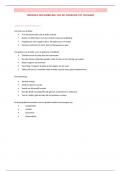
Comprehension Techniques
Techniques
c o m p r e h e n s i o n
Formal voice: Makes a text seem more authoritative and uses the power of
persuasion. Can be used to discuss more serious topics
Examples: compelled, astoundingly high
Informal voice: Used in situations that are more casual
• It involves the reader at a more personal level
• It engages and makes the text more accessible
• It is more familiar and relaxed and helps to form a clear picture of the writer
and his attitudes
First person perspective: Involves one narrator speaking of and about themselves
• Makes the text more personal and gives it a personal voice
• This interests the reader as they feel that they can relate to the writer or
that they know them
• It invites empathy as the writer is likely to express personal thoughts and
feelings
• The inclusive pronoun ‘we’ can make the reader feel part of what is written
Examples: I, we, us
Second person perspective: The text directly addresses the reader in a way that
makes it sound personal
• Involves the reader in the text and makes them think harder about what the
text is saying
• Creates a friendly tone and involves them personally
• It can feel friendly, inviting and confiding OR it can feel forceful and
persuasive
Examples: You
Third person perspective: Involves the narrator referring to characters
• Allows for a separation between the narrator and the character
• Allows for more information to be revealed to the audience of which the
character might not be aware
• Impersonal and distant perspective
• For the audience to read, reflect and form an opinion on the subject
Examples: He, she, it
List of three: 3 words or reasons put together in a list
• Helps emphasise the point of the text and cements the words in the mind of
the reader
Comprehension Techniques
Techniques
c o m p r e h e n s i o n
Formal voice: Makes a text seem more authoritative and uses the power of
persuasion. Can be used to discuss more serious topics
Examples: compelled, astoundingly high
Informal voice: Used in situations that are more casual
• It involves the reader at a more personal level
• It engages and makes the text more accessible
• It is more familiar and relaxed and helps to form a clear picture of the writer
and his attitudes
First person perspective: Involves one narrator speaking of and about themselves
• Makes the text more personal and gives it a personal voice
• This interests the reader as they feel that they can relate to the writer or
that they know them
• It invites empathy as the writer is likely to express personal thoughts and
feelings
• The inclusive pronoun ‘we’ can make the reader feel part of what is written
Examples: I, we, us
Second person perspective: The text directly addresses the reader in a way that
makes it sound personal
• Involves the reader in the text and makes them think harder about what the
text is saying
• Creates a friendly tone and involves them personally
• It can feel friendly, inviting and confiding OR it can feel forceful and
persuasive
Examples: You
Third person perspective: Involves the narrator referring to characters
• Allows for a separation between the narrator and the character
• Allows for more information to be revealed to the audience of which the
character might not be aware
• Impersonal and distant perspective
• For the audience to read, reflect and form an opinion on the subject
Examples: He, she, it
List of three: 3 words or reasons put together in a list
• Helps emphasise the point of the text and cements the words in the mind of
the reader