
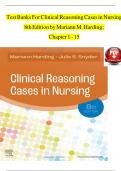
Test Banks For Clinical Reasoning Cases in Nursing
vfvf vfvf vfvf vfvf vfvf vfvf vfvf
vfvf 8th Edition by Mariann M. Harding;
vfvf vfvf vfvf vfvf vfvf vfvf
Chapter 1 - 15 vfvf vfvf vfvf
,Clinical Reasoning Cases in Nursing 8th Edition Harding Snyder Test Bank
vfvf vfvf vfvf vfvf vfvf vfvf vfvf vfvf vfvf vfvf
Contents:
Chapter 1. Perfusion
vfvf vfvf
Chapter 2. Gas Exchange
vfvf vfvf vfvf
Chapter 3. Mobility
vfvf vfvf
Chapter 4. Digestion
vfvf vfvf
Chapter 5. Urinary Elimination
vfvf vfvf vfvf
Chapter 6. Intracranial Regulation
vfvf vfvf vfvf
Chapter 7. Metabolism and Glucose Regulation
vfvf vfvf vfvf vfvf vfvf
Chapter 8. Immunity
vfvf vf vf
Chapter 9. Cellular Regulation
vfvf vfvf vfvf
Chapter 10. Tissue Integrity
vfvf vfvf vfvf
Chapter 11. Cognition
vfvf vfvf
Chapter 12. Infection and Inflammation
vfvf vfvf vfvf vf vf
Chapter 13. Developmental
vfvf vfvf
Chapter 14. Reproductive
vfvf vfvf
Chapter 15. Mood, Stress, and Addiction
vfvf vfvf vfvf vfvf vfvf
,Chapter 1. Perfusion vfvf vfvf
Clinical Reasoning Cases in Nursing 8th Edition Harding Snyder Test Bank
vfvf vfvf vfvf vfvf vfvf vfvf vfvf vfvf vfvf vfvf
MULTIPLE CHOICE vfvf
1. The nurse is explaining to a student nurse about impaired central perfusion. The nurse knows
vfvf vfvf vfvf vfvf vfvf vfvf vfvf vfvf vfvf vfvf vfvf vfvf vfvf vfvf vfvf
the student understands this problem when the student states, Central perfusion
vfvf vfvf vfvf vfvf vfvf vfvf vfvf vfvf vfvf vfvf vfvf
a. Is monitored only by the physician. vfvf vfvf vfvf vfvf vfvf
b. Involves the entire body. vfvf vfvf vfvf
c. Is decreased with hypertension.
vfvf vfvf vfvf
d. Is toxic to the cardiac system.
vfvf vfvf vfvf vfvf vfvf
ANSWER: B vfvf
Central perfusion does involve the entire body as all organs are supplied with oxygen and vital
vfvf vfvf vfvf vfvf vfvf vfvf vfvf vfvf vfvf vfvf vfvf vfvf vfvf vfvf vfvf
Nutrients. The physician does not control the bodys ability for perfusion. Central perfusion is
vfvf vfvf vfvf vfvf vfvf vfvf vfvf vfvf vfvf vfvf vfvf vfvf vfvf vfvf
notdecreased with hypertension. Central perfusion is not toxic to the cardiac system.
vfvf vfvf vfvf vfvf vfvf vfvf vfvf vfvf vfvf vfvf vfvf vfvf
2. A patient was diagnosed with hypertension. The patient asks the nurse how this disease could
vfvf vfvf vfvf vfvf vfvf vfvf vfvf vfvf vfvf vfvf vfvf vfvf vfvf vfvf vfvf
have happened to them. The nurses best response is Hypertension
vfvf vfvf vfvf vfvf vfvf vfvf vfvf vfvf vfvf vfvf
a. Happens to everyone sooner or later. Dont be concerned about it. vfvf vfvf vfvf vfvf vfvf vfvf vfvf vfvf vf vf vfvf
b. Can happen from eating a poor diet, so change what you are eating.
vfvf vfvf vfvf vfvf vfvf vfvf vfvf vfvf vfvf vf vf vfvf vfvf
c. Can happen from arterial changes that impede the blood flow.
vfvf vfvf vfvf vf vf vfvf vfvf vfvf vfvf vfvf
d. Happens when people do not exercise, so you should walk every vfvf vfvf vfvf vfvf vfvf vfvf vfvf vfvf vfvf vfvf
vfvf day.
ANSWER: C vfvf
Hardening of the arteries from atherosclerosis can cause hypertension in the patient.
vfvf vfvf vfvf vfvf vfvf vfvf vfvf vfvf vfvf vfvf vfvf
Hypertension does not happen to everyone. Changing the patients diet and exercising may be a
vfvf vfvf vfvf vfvf vfvf vfvf vfvf vfvf vfvf vfvf vfvf vfvf vfvf vfvf vfvf
positive life change, but these answers do not explain to the patient how the disease could have
vfvf vfvf vfvf vfvf vfvf vfvf vfvf vfvf vfvf vfvf vfvf vfvf vfvf vfvf vfvf vfvf vfvf
happened.
vfvf
3. The patient asks the nurse to explain the sinoatrial node in the heart. The nurses best response
vfvf vfvf vfvf vfvf vfvf vfvf vfvf vfvf vfvf vfvf vfvf vfvf vfvf vfvf vfvf vfvf vfvf
would be, The sinoatrial node
vfvf vfvf vfvf vfvf vfvf
a. Provides the heart with the stimulation to beat in a normal rhythm. vfvf vfvf vfvf vfvf vfvf vfvf vfvf vfvf vfvf vfvf vfvf
b. Protects the heart from atherosclerotic changes. vfvf vfvf vfvf vfvf vf vf
c. Provides the heart with oxygenated blood. vfvf vfvf vfvf vfvf vfvf
d. Protects the heart from vfvf vfvf vfvf
vfvf infection.
ANSWER: A vfvf
The sinoatrial node is the natural pacemaker of the heart, and it assists the heart to beat in a
vfvf vfvf vfvf vfvf vfvf vfvf vfvf vfvf vfvf vfvf vfvf vfvf vfvf vfvf vfvf vfvf vfvf vfvf
Normal rhythm. The sinoatrial node does not protect from atherosclerotic changes or
vfvf vfvf vfvf vfvf vfvf vfvf vfvf vfvf vfvf vfvf vfvf vfvf
infection,and it does not directly provide the heart with oxygenated blood.
vfvf vfvf vfvf vfvf vfvf vfvf vfvf vfvf vfvf vfvf vfvf
4. The patient is brought to the emergency department after a motor vehicle accident. The
vfvf vfvf vfvf vfvf vfvf vfvf vfvf vfvf vfvf vfvf vfvf vfvf vfvf vfvf
patient is diagnosed with internal bleeding. The nurses primary concern is to monitor for
vfvf vfvf vfvf vfvf vfvf vfvf vfvf vfvf vfvf vfvf vfvf vfvf vfvf vfvf
a. Mental alertness. vfvf
b. Perfusion.
, c. Pain.
d. Reactionto vfvf
vfvf medications.
ANSWER: B vfvf
Perfusion is the correct answer, because with internal bleeding, the nurse should monitor vital
vfvf vfvf vfvf vfvf vfvf vfvf vfvf vfvf vfvf vfvf vfvf vf vf vfvf
Signs to be sure perfusion is happening. Mental alertness, pain, and medication reactions
vfvf vfvf vfvf vfvf vfvf vfvf vfvf vfvf vfvf vfvf vfvf vfvf
areimportant but not the primary concern.
vfvf vfvf vfvf vfvf vfvf vfvf
5. A patients serum electrolytes are being monitored. The nurse notices that the potassium level
vfvf vfvf vfvf vfvf vfvf vfvf vfvf vfvf vfvf vfvf vfvf vfvf vfvf vfvf
is low. The nurse knows that the patient should be observed for
vfvf vfvf vfvf vfvf vfvf vfvf vfvf vfvf vfvf vfvf vfvf vfvf
a. Tissue ischemia. vfvf
b. Brain malformations. vfvf
c. Intestinal blockage. vfvf
d. Cardiac
vfvf dysthymia.
ANSWER: D vfvf
Cardiac dysthymia is a possibility when serum potassium is high or low. Tissue ischemia, brain
vfvf vfvf vfvf vfvf vfvf vfvf vfvf vfvf vfvf vfvf vfvf vfvf vfvf vfvf
Malformations, or intestinal blockage do not have a direct correlation to potassium irregularities.
vfvf vfvf vfvf vfvf vfvf vfvf vfvf vfvf vfvf vfvf vfvf vfvf vfvf
6. A nurse is explaining to a student nurse about perfusion. The nurse knows the student
vfvf vfvf vfvf vfvf vfvf vfvf vfvf vfvf vfvf vfvf vfvf vfvf vfvf vfvf vfvf
understands the concept of perfusion when the student states, Perfusion
vfvf vfvf vfvf vfvf vfvf vfvf vfvf vfvf vfvf vfvf
a. Is a normal function of the body, and I dont have to be concerned about it. vfvf vfvf vfvf vfvf vf vf vfvf vfvf vfvf vfvf vfvf vfvf vfvf vfvf vfvf vfvf
b. Is monitored by the physician, and I just follow orders.
vfvf vfvf vfvf vfvf vfvf vfvf vfvf vfvf vfvf
c. Is monitored by vital signs and capillary refill.
vfvf vfvf vfvf vfvf vfvf vfvf vfvf
d. Varies as a person ages, so I would expect changes in the vfvf vfvf vfvf vfvf vfvf vfvf vfvf vfvf vfvf vfvf vfvf
vfvf body.
ANSWER: C vfvf
The best method to monitor perfusion is to monitor vital signs and capillary refill. This
vfvf vfvf vfvf vfvf vfvf vfvf vfvf vfvf vfvf vfvf vfvf vfvf vfvf vfvf
allows The nurse to know if perfusion is adequate to maintain vital organs. The nurse does
vfvf vfvf vfvf vfvf vfvf vfvf vfvf vfvf vfvf vfvf vfvf vfvf vfvf vfvf vfvf vfvf
have to be concerned about perfusion. Perfusion is not only monitored by the physician but
vfvf vfvf vfvf vfvf vfvf vfvf vfvf vfvf vfvf vfvf vfvf vfvf vfvf vfvf vfvf
the nurse too. Perfusion does not always change as the person ages.
vfvf vfvf vfvf vfvf vfvf vfvf vfvf vfvf vfvf vfvf vfvf vfvf
7. The nurse is conducting a patient assessment. The patient tells the nurse that he has
vfvf vfvf vfvf vfvf vfvf vfvf vfvf vfvf vfvf vfvf vfvf vfvf vfvf vfvf vfvf
smoked two packs of cigarettes per day for 27 years. The nurse may find which data upon
vfvf vfvf vfvf vfvf vfvf vfvf vfvf vfvf vfvf vf vf vfvf vfvf vfvf vfvf vfvf vfvf vfvf
assessment?
vf vf
a. Blood pressure above the normal range vfvf vfvf vfvf vfvf vfvf
b. Bounding pedal pulses vfvf vfvf
c. Night blindness vfvf
vfvf vfvf vfvf vfvf vfvf vfvf vfvf
vfvf 8th Edition by Mariann M. Harding;
vfvf vfvf vfvf vfvf vfvf vfvf
Chapter 1 - 15 vfvf vfvf vfvf
,Clinical Reasoning Cases in Nursing 8th Edition Harding Snyder Test Bank
vfvf vfvf vfvf vfvf vfvf vfvf vfvf vfvf vfvf vfvf
Contents:
Chapter 1. Perfusion
vfvf vfvf
Chapter 2. Gas Exchange
vfvf vfvf vfvf
Chapter 3. Mobility
vfvf vfvf
Chapter 4. Digestion
vfvf vfvf
Chapter 5. Urinary Elimination
vfvf vfvf vfvf
Chapter 6. Intracranial Regulation
vfvf vfvf vfvf
Chapter 7. Metabolism and Glucose Regulation
vfvf vfvf vfvf vfvf vfvf
Chapter 8. Immunity
vfvf vf vf
Chapter 9. Cellular Regulation
vfvf vfvf vfvf
Chapter 10. Tissue Integrity
vfvf vfvf vfvf
Chapter 11. Cognition
vfvf vfvf
Chapter 12. Infection and Inflammation
vfvf vfvf vfvf vf vf
Chapter 13. Developmental
vfvf vfvf
Chapter 14. Reproductive
vfvf vfvf
Chapter 15. Mood, Stress, and Addiction
vfvf vfvf vfvf vfvf vfvf
,Chapter 1. Perfusion vfvf vfvf
Clinical Reasoning Cases in Nursing 8th Edition Harding Snyder Test Bank
vfvf vfvf vfvf vfvf vfvf vfvf vfvf vfvf vfvf vfvf
MULTIPLE CHOICE vfvf
1. The nurse is explaining to a student nurse about impaired central perfusion. The nurse knows
vfvf vfvf vfvf vfvf vfvf vfvf vfvf vfvf vfvf vfvf vfvf vfvf vfvf vfvf vfvf
the student understands this problem when the student states, Central perfusion
vfvf vfvf vfvf vfvf vfvf vfvf vfvf vfvf vfvf vfvf vfvf
a. Is monitored only by the physician. vfvf vfvf vfvf vfvf vfvf
b. Involves the entire body. vfvf vfvf vfvf
c. Is decreased with hypertension.
vfvf vfvf vfvf
d. Is toxic to the cardiac system.
vfvf vfvf vfvf vfvf vfvf
ANSWER: B vfvf
Central perfusion does involve the entire body as all organs are supplied with oxygen and vital
vfvf vfvf vfvf vfvf vfvf vfvf vfvf vfvf vfvf vfvf vfvf vfvf vfvf vfvf vfvf
Nutrients. The physician does not control the bodys ability for perfusion. Central perfusion is
vfvf vfvf vfvf vfvf vfvf vfvf vfvf vfvf vfvf vfvf vfvf vfvf vfvf vfvf
notdecreased with hypertension. Central perfusion is not toxic to the cardiac system.
vfvf vfvf vfvf vfvf vfvf vfvf vfvf vfvf vfvf vfvf vfvf vfvf
2. A patient was diagnosed with hypertension. The patient asks the nurse how this disease could
vfvf vfvf vfvf vfvf vfvf vfvf vfvf vfvf vfvf vfvf vfvf vfvf vfvf vfvf vfvf
have happened to them. The nurses best response is Hypertension
vfvf vfvf vfvf vfvf vfvf vfvf vfvf vfvf vfvf vfvf
a. Happens to everyone sooner or later. Dont be concerned about it. vfvf vfvf vfvf vfvf vfvf vfvf vfvf vfvf vf vf vfvf
b. Can happen from eating a poor diet, so change what you are eating.
vfvf vfvf vfvf vfvf vfvf vfvf vfvf vfvf vfvf vf vf vfvf vfvf
c. Can happen from arterial changes that impede the blood flow.
vfvf vfvf vfvf vf vf vfvf vfvf vfvf vfvf vfvf
d. Happens when people do not exercise, so you should walk every vfvf vfvf vfvf vfvf vfvf vfvf vfvf vfvf vfvf vfvf
vfvf day.
ANSWER: C vfvf
Hardening of the arteries from atherosclerosis can cause hypertension in the patient.
vfvf vfvf vfvf vfvf vfvf vfvf vfvf vfvf vfvf vfvf vfvf
Hypertension does not happen to everyone. Changing the patients diet and exercising may be a
vfvf vfvf vfvf vfvf vfvf vfvf vfvf vfvf vfvf vfvf vfvf vfvf vfvf vfvf vfvf
positive life change, but these answers do not explain to the patient how the disease could have
vfvf vfvf vfvf vfvf vfvf vfvf vfvf vfvf vfvf vfvf vfvf vfvf vfvf vfvf vfvf vfvf vfvf
happened.
vfvf
3. The patient asks the nurse to explain the sinoatrial node in the heart. The nurses best response
vfvf vfvf vfvf vfvf vfvf vfvf vfvf vfvf vfvf vfvf vfvf vfvf vfvf vfvf vfvf vfvf vfvf
would be, The sinoatrial node
vfvf vfvf vfvf vfvf vfvf
a. Provides the heart with the stimulation to beat in a normal rhythm. vfvf vfvf vfvf vfvf vfvf vfvf vfvf vfvf vfvf vfvf vfvf
b. Protects the heart from atherosclerotic changes. vfvf vfvf vfvf vfvf vf vf
c. Provides the heart with oxygenated blood. vfvf vfvf vfvf vfvf vfvf
d. Protects the heart from vfvf vfvf vfvf
vfvf infection.
ANSWER: A vfvf
The sinoatrial node is the natural pacemaker of the heart, and it assists the heart to beat in a
vfvf vfvf vfvf vfvf vfvf vfvf vfvf vfvf vfvf vfvf vfvf vfvf vfvf vfvf vfvf vfvf vfvf vfvf
Normal rhythm. The sinoatrial node does not protect from atherosclerotic changes or
vfvf vfvf vfvf vfvf vfvf vfvf vfvf vfvf vfvf vfvf vfvf vfvf
infection,and it does not directly provide the heart with oxygenated blood.
vfvf vfvf vfvf vfvf vfvf vfvf vfvf vfvf vfvf vfvf vfvf
4. The patient is brought to the emergency department after a motor vehicle accident. The
vfvf vfvf vfvf vfvf vfvf vfvf vfvf vfvf vfvf vfvf vfvf vfvf vfvf vfvf
patient is diagnosed with internal bleeding. The nurses primary concern is to monitor for
vfvf vfvf vfvf vfvf vfvf vfvf vfvf vfvf vfvf vfvf vfvf vfvf vfvf vfvf
a. Mental alertness. vfvf
b. Perfusion.
, c. Pain.
d. Reactionto vfvf
vfvf medications.
ANSWER: B vfvf
Perfusion is the correct answer, because with internal bleeding, the nurse should monitor vital
vfvf vfvf vfvf vfvf vfvf vfvf vfvf vfvf vfvf vfvf vfvf vf vf vfvf
Signs to be sure perfusion is happening. Mental alertness, pain, and medication reactions
vfvf vfvf vfvf vfvf vfvf vfvf vfvf vfvf vfvf vfvf vfvf vfvf
areimportant but not the primary concern.
vfvf vfvf vfvf vfvf vfvf vfvf
5. A patients serum electrolytes are being monitored. The nurse notices that the potassium level
vfvf vfvf vfvf vfvf vfvf vfvf vfvf vfvf vfvf vfvf vfvf vfvf vfvf vfvf
is low. The nurse knows that the patient should be observed for
vfvf vfvf vfvf vfvf vfvf vfvf vfvf vfvf vfvf vfvf vfvf vfvf
a. Tissue ischemia. vfvf
b. Brain malformations. vfvf
c. Intestinal blockage. vfvf
d. Cardiac
vfvf dysthymia.
ANSWER: D vfvf
Cardiac dysthymia is a possibility when serum potassium is high or low. Tissue ischemia, brain
vfvf vfvf vfvf vfvf vfvf vfvf vfvf vfvf vfvf vfvf vfvf vfvf vfvf vfvf
Malformations, or intestinal blockage do not have a direct correlation to potassium irregularities.
vfvf vfvf vfvf vfvf vfvf vfvf vfvf vfvf vfvf vfvf vfvf vfvf vfvf
6. A nurse is explaining to a student nurse about perfusion. The nurse knows the student
vfvf vfvf vfvf vfvf vfvf vfvf vfvf vfvf vfvf vfvf vfvf vfvf vfvf vfvf vfvf
understands the concept of perfusion when the student states, Perfusion
vfvf vfvf vfvf vfvf vfvf vfvf vfvf vfvf vfvf vfvf
a. Is a normal function of the body, and I dont have to be concerned about it. vfvf vfvf vfvf vfvf vf vf vfvf vfvf vfvf vfvf vfvf vfvf vfvf vfvf vfvf vfvf
b. Is monitored by the physician, and I just follow orders.
vfvf vfvf vfvf vfvf vfvf vfvf vfvf vfvf vfvf
c. Is monitored by vital signs and capillary refill.
vfvf vfvf vfvf vfvf vfvf vfvf vfvf
d. Varies as a person ages, so I would expect changes in the vfvf vfvf vfvf vfvf vfvf vfvf vfvf vfvf vfvf vfvf vfvf
vfvf body.
ANSWER: C vfvf
The best method to monitor perfusion is to monitor vital signs and capillary refill. This
vfvf vfvf vfvf vfvf vfvf vfvf vfvf vfvf vfvf vfvf vfvf vfvf vfvf vfvf
allows The nurse to know if perfusion is adequate to maintain vital organs. The nurse does
vfvf vfvf vfvf vfvf vfvf vfvf vfvf vfvf vfvf vfvf vfvf vfvf vfvf vfvf vfvf vfvf
have to be concerned about perfusion. Perfusion is not only monitored by the physician but
vfvf vfvf vfvf vfvf vfvf vfvf vfvf vfvf vfvf vfvf vfvf vfvf vfvf vfvf vfvf
the nurse too. Perfusion does not always change as the person ages.
vfvf vfvf vfvf vfvf vfvf vfvf vfvf vfvf vfvf vfvf vfvf vfvf
7. The nurse is conducting a patient assessment. The patient tells the nurse that he has
vfvf vfvf vfvf vfvf vfvf vfvf vfvf vfvf vfvf vfvf vfvf vfvf vfvf vfvf vfvf
smoked two packs of cigarettes per day for 27 years. The nurse may find which data upon
vfvf vfvf vfvf vfvf vfvf vfvf vfvf vfvf vfvf vf vf vfvf vfvf vfvf vfvf vfvf vfvf vfvf
assessment?
vf vf
a. Blood pressure above the normal range vfvf vfvf vfvf vfvf vfvf
b. Bounding pedal pulses vfvf vfvf
c. Night blindness vfvf


