NUR 155 Exam 2 Study Guide
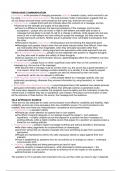
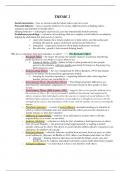
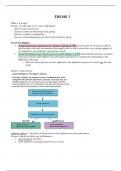
What are 4 techniques of critical thinking? - cal analysis tic questioning tive reasoning 4. deductive reasoning problem solving - clarify the problem and come up with a solution What is the purpose of the nursing process? - identify clients health, risk, etc What are the 5 phases of nursing process? - 1. Assessing 2.Diagnosing 3. planning 4. implementing 5. evaluating what care plan do we mainly use as nurses? - individualized care plan Initial planning - you have your data, and then you begin your assessment. Macronutrients include what? - water, carbs, proteins, fat, and vitamins. All macronutrients all measured in what? - grams Micronutrients include what? - some vitamins and minerals. Micronutrients measured in? - milligrams and micrograms Monosaccharides include what? - glucose, fructose, and galactose. absorbed in small intestines. Carb metabolism - breaks it down and turns it into energy Glucose - stored and use as glycogen Proteins - amino acids, and helps and aids in tissue repair, building muscle, will give protein supplements if not getting enough protein Protein digestion beings? - Mouth by pepsin Pancreas does what? - secretes water soluble vitamins - can not be stored. they need replaced daily. They are Vitamin C & B complex Fat soluble vitamins - can be stored. vitamins a,d,e,k Macro minerals - calcium phosphorus sodium magnesium sulfur Micro minearls - iron zinc iodine floridine copper advance as tolerated - allowed to increase diet to soft food, etc. as long as tolerated. do not have to call dr Clear liquid diet - short. usually lasts 24-36 hours. ex: water, tea, jello, broth Soft diet - easily chewed and digested. good for people who have trouble swallowing Full liquid diet - liquids or foods that can turn into liquid by body temps. milk, ice cream, butter, eggs PEJ tube - inserted in jejunum PEG tube - inserted in stomach NG tube - inserted in nose 1/4 cup of almonds will help ? - cholesterol Older adults need? - need protein, higher chloric diet, and higher calorie . metabolism slows down. water is _____% of body weight? - 60 it is important to remove what from body? - waste Extracellular fluid - fluid outside the body. 1/3 of adult body fluid Intracellular fluid - fluid inside the body. 2/3 of adult body fluid Diffusion - separated by semipermeable membrane osmosis - water moves across cell membrane from less concentration to more Normal urination per hour? - 60 ml. less than 30 ml may show decreased blood flow to the kidneys Filtration - build by hydrostatic pressure normal bowel movement daily? - 100-200 ml How much ml is normal for output daily? - 1500 ml Ascites - fluid in the abdomen Normal sodium level? - 135-145 normal potassium level - 3.5-5 Cerebral edema - sodium brought down too quickly. give hypertonic solution sodium is found where? - extracellular fluid Potassium is important for? - cardio, muscle contraction. kidneys eliminate potassium IV potassium - goes into pump. takes over 1 hour to get into body. burns the veins, start at 75 meg/L then make way up to 100 Normal calcium level - 9-10.5 normal magnesium level - 1.5-2.5 normal chloride level - 98-106 normal phosphate level - 2-4.5 normal BUN level - 10-20 mg/dl normal creatinine level in female - 0.5-1.1 mg/dl ph for urine - 4.5-8 normal urine output in 24 hours - ml. under 1200 is abnormal canes - move bad leg first, put cane on strong side. arm can flex and cane is at waist level. side and front should be 6 inches each walkers - 6 inchs front and side. arm flexed and at waist level. step with weak leg first, and then strong leg will support
Written for
- Institution
-
Chamberlain College Of Nursing
- Course
-
NUR 155
Document information
- Uploaded on
- February 11, 2025
- Number of pages
- 8
- Written in
- 2024/2025
- Type
- Exam (elaborations)
- Contains
- Questions & answers
Subjects
- nur 155
-
nur 155 exam 2 study guide