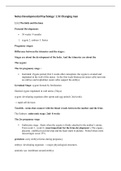
Week 1............................................................................................................................... 2
Lecture 1: ethics as a design discipline.........................................................................2
Lecture 2: deontology & utilitarianism............................................................................4
Seminar : Kant’s ethics of duty......................................................................................8
Week 2:.............................................................................................................................. 8
Lecture 3: technology ethics..........................................................................................8
Seminar technology ethics..........................................................................................12
Seminar Reflective Equilibrium....................................................................................13
Online lecture on fallacies...........................................................................................13
Seminar Fallacies........................................................................................................17
List of fallacies............................................................................................................. 17
Lecture 4: medical ethics.............................................................................................17
Seminar: ethical matrix................................................................................................20
practise exam 1:.......................................................................................................... 20
Week 3............................................................................................................................. 23
Lecture 5: Non-human ethics......................................................................................23
Lecture 6: Care and virtue ethics:................................................................................25
Seminar Care and Virtue Ethics..................................................................................28
practise exam 2:.......................................................................................................... 28
,Week 1
Lecture 1: ethics as a design discipline
core ethical values or domain of morality and ethics are:
- safety: a core principle to respect (for people and planet)
- benefits/ costs: preferred states in the world to bring about, weighing consequences.
short-term and long(er)-term both possible
- responsibility (for the public good): a virtue (acting virtuously)
Ethics is the practical study of deciding how we ought to act ( a domain of knowledge). It is
also a set of moral principles governing an individual or a group (“her ethics”, “medical
ethics”). A third way of thinking of ethics is as a design discipline.
Science, technology and innovation can help solve problems and be valuable in many ways
but can also cause (new) problems. These can be foreseen but also unforeseen. Ethics can
be a facilitator or even a driver of research, technology and innovation for good. This
minimally requires prevention of future harm. For this, theoretical knowledge and practical
instruments for and hands-on practice in moral deliberation are very valuable.
ethics as a design discipline I:
- societal needs and problems should be the starting point of science, technology and
innovation
- moral values should be placed at the heart of science, technology, and innovation
- ethics is all about translating values into actions and designs, weighing (different
stakeholders or individual actors) values against each other, and morally justifying
one’s judgements, actions and designs
Ethics as a design discipline II:
- shared feature of design problem & moral problems: rarely one unique correct
solution.
- yet: one can often distinguish better from worse solutions
- ethics: how do you justify your choices?
- translate moral values to design principles and choices
Safe-by-design: safety as a design requirement at the earliest stages of product and process
development to prevent possible risks for human health and the environment.
ethics is the practical study of deciding how we ought to act. The branch of philosophy that
deals with morality and values.
- systematic reflection on morality (values, norms, beliefs)
- providing reasons to justify our decisions
,Why morality?
how to recognize a morally problematic issue: moral problems arise when the values, rights,
interests, desires of “an other” are at stake or harmed.
- how do we recognize values, rights, interests and desires?
- how do we define the other? who is a proper subject of moral concern?
ethical reasoning is needed whenever we are confronted with a moral problem.
what do we mean by “values”?: values refer to what is or is perceived as good. For example
equality. Values are (a) concepts or beliefs, (b) about desirable end states or behaviors, ( c)
that transcend specific situations, (d) guide selection or evaluation of behavior and events,
and (e) are ordered by relative importance.
Values can be translated into norms: rules for behavior in specific situations. Norms are
more specific rules for more specific situations.
Intermediate step: conceptualization and analysis.
- what do you mean with value such-and-such?
- why is it valuable?
- how does it relate to other values?
- when or where is it relevant?
- specify! tie in with context!
- For example: what do we mean when we say everyone is equal? equal before the
judge? equal opportunities? equal capacities?
moral spheres: morally problematic issues can be found more or less anywhere… in
different contexts, different values are more pertinent and hence different norms guide our
actions in different situations.
Different moral spheres have different rules and values. For example in the personal sphere,
people often think loyalty is important, in the business sphere often human dignity is
important. Nota bene many morally problematic issues in health and life
science/practice/policy involve crossing the boundaries between two or more spheres.
morally problematic is not the same as morally rejectable. Morally problematic issues are
everywhere where the values, rights, interests, desires of “another” are at stake or harmed.
Taking a moral stance means: carefully considering and subsequently deciding whether or
not a morally problematic issue is morally objectionable.
, ethical thinking = thinking beyond one’s inclinations and prejudices. You need an open
(impartial) mind and critical reasoning skills.
Lecture 2: deontology & utilitarianism
Ethics is all about the systemic reflection towards making accountable moral decisions.
Before making a decision one has to stop and reflect. This reflection can be informed by all
the different theories of ethics.
consequentialist: you should do it because it benefits most people
deontologist: out of a sense of duty
virtue: act out of kindness
long tradition of western thought : reason provides access to the universal truth about the
world or, the objective knowledge about the laws that govern the world is an end in itself. But
how you arrive at it, has been and still is open to dispute: rationalism (/idealism) vs.
empiricism (/realism).
rationalist: the truth about the world is found out through reasoning.
- plato: we arrive at truth through access to ideas (idealist)
- Aristotle: we arrive at truth through access to the world around us (realist)
Lecture 1: ethics as a design discipline.........................................................................2
Lecture 2: deontology & utilitarianism............................................................................4
Seminar : Kant’s ethics of duty......................................................................................8
Week 2:.............................................................................................................................. 8
Lecture 3: technology ethics..........................................................................................8
Seminar technology ethics..........................................................................................12
Seminar Reflective Equilibrium....................................................................................13
Online lecture on fallacies...........................................................................................13
Seminar Fallacies........................................................................................................17
List of fallacies............................................................................................................. 17
Lecture 4: medical ethics.............................................................................................17
Seminar: ethical matrix................................................................................................20
practise exam 1:.......................................................................................................... 20
Week 3............................................................................................................................. 23
Lecture 5: Non-human ethics......................................................................................23
Lecture 6: Care and virtue ethics:................................................................................25
Seminar Care and Virtue Ethics..................................................................................28
practise exam 2:.......................................................................................................... 28
,Week 1
Lecture 1: ethics as a design discipline
core ethical values or domain of morality and ethics are:
- safety: a core principle to respect (for people and planet)
- benefits/ costs: preferred states in the world to bring about, weighing consequences.
short-term and long(er)-term both possible
- responsibility (for the public good): a virtue (acting virtuously)
Ethics is the practical study of deciding how we ought to act ( a domain of knowledge). It is
also a set of moral principles governing an individual or a group (“her ethics”, “medical
ethics”). A third way of thinking of ethics is as a design discipline.
Science, technology and innovation can help solve problems and be valuable in many ways
but can also cause (new) problems. These can be foreseen but also unforeseen. Ethics can
be a facilitator or even a driver of research, technology and innovation for good. This
minimally requires prevention of future harm. For this, theoretical knowledge and practical
instruments for and hands-on practice in moral deliberation are very valuable.
ethics as a design discipline I:
- societal needs and problems should be the starting point of science, technology and
innovation
- moral values should be placed at the heart of science, technology, and innovation
- ethics is all about translating values into actions and designs, weighing (different
stakeholders or individual actors) values against each other, and morally justifying
one’s judgements, actions and designs
Ethics as a design discipline II:
- shared feature of design problem & moral problems: rarely one unique correct
solution.
- yet: one can often distinguish better from worse solutions
- ethics: how do you justify your choices?
- translate moral values to design principles and choices
Safe-by-design: safety as a design requirement at the earliest stages of product and process
development to prevent possible risks for human health and the environment.
ethics is the practical study of deciding how we ought to act. The branch of philosophy that
deals with morality and values.
- systematic reflection on morality (values, norms, beliefs)
- providing reasons to justify our decisions
,Why morality?
how to recognize a morally problematic issue: moral problems arise when the values, rights,
interests, desires of “an other” are at stake or harmed.
- how do we recognize values, rights, interests and desires?
- how do we define the other? who is a proper subject of moral concern?
ethical reasoning is needed whenever we are confronted with a moral problem.
what do we mean by “values”?: values refer to what is or is perceived as good. For example
equality. Values are (a) concepts or beliefs, (b) about desirable end states or behaviors, ( c)
that transcend specific situations, (d) guide selection or evaluation of behavior and events,
and (e) are ordered by relative importance.
Values can be translated into norms: rules for behavior in specific situations. Norms are
more specific rules for more specific situations.
Intermediate step: conceptualization and analysis.
- what do you mean with value such-and-such?
- why is it valuable?
- how does it relate to other values?
- when or where is it relevant?
- specify! tie in with context!
- For example: what do we mean when we say everyone is equal? equal before the
judge? equal opportunities? equal capacities?
moral spheres: morally problematic issues can be found more or less anywhere… in
different contexts, different values are more pertinent and hence different norms guide our
actions in different situations.
Different moral spheres have different rules and values. For example in the personal sphere,
people often think loyalty is important, in the business sphere often human dignity is
important. Nota bene many morally problematic issues in health and life
science/practice/policy involve crossing the boundaries between two or more spheres.
morally problematic is not the same as morally rejectable. Morally problematic issues are
everywhere where the values, rights, interests, desires of “another” are at stake or harmed.
Taking a moral stance means: carefully considering and subsequently deciding whether or
not a morally problematic issue is morally objectionable.
, ethical thinking = thinking beyond one’s inclinations and prejudices. You need an open
(impartial) mind and critical reasoning skills.
Lecture 2: deontology & utilitarianism
Ethics is all about the systemic reflection towards making accountable moral decisions.
Before making a decision one has to stop and reflect. This reflection can be informed by all
the different theories of ethics.
consequentialist: you should do it because it benefits most people
deontologist: out of a sense of duty
virtue: act out of kindness
long tradition of western thought : reason provides access to the universal truth about the
world or, the objective knowledge about the laws that govern the world is an end in itself. But
how you arrive at it, has been and still is open to dispute: rationalism (/idealism) vs.
empiricism (/realism).
rationalist: the truth about the world is found out through reasoning.
- plato: we arrive at truth through access to ideas (idealist)
- Aristotle: we arrive at truth through access to the world around us (realist)