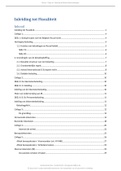
Inhoud
Chapter 1: Introduction to Finance for Entrepreneurs ........................................................................... 5
Section 1.1 The Entrepreneurial Process ............................................................................................ 5
Section 1.2 Entrepreneurship Fundamentals ...................................................................................... 5
Section 1.2.1 Entrepreneurial Traits or characteristics ................................................................... 5
Section 1.2.2. Opportunities exist but not without risks ................................................................ 5
Section 1.3 Sources of Entrepreneurial Opportunities ....................................................................... 5
Section 1.3.1 Societal Changes ........................................................................................................ 6
Section 1.3.2 Demographic Changes ............................................................................................... 6
Section 1.3.3 Technological Changes .............................................................................................. 6
Section 1.3.4 Emerging Economies and Global Changes ................................................................ 6
Section 1.3.5 Crises and Bubbles ..................................................................................................... 6
Section 1.3.6 Disruptive Innovation ................................................................................................ 6
Section 1.4 Principles of Entrepreneurial Finance .............................................................................. 7
Section 1.4.1. Real, Human, and financial capital must be rented from owners ............................ 7
Section 1.4.2 Risk and expected reward go hand in hand .............................................................. 7
Section 1.4.3. While accounting is the language of business, cash is the currency ........................ 7
Section 1.4.4 New venture financing involves search, negotiation, and privacy ............................ 7
Section 1.4.5. A venture’s financial objective is to increase value.................................................. 7
Section 1.4.6 It is dangerous to assume that people act against their own self-interests ............. 8
Section 1.4.7. Venture character and reputation can be assets or liabilities. ................................ 8
Section 1.5. Role of Entrepreneurial Finance ...................................................................................... 8
Section 1.6 The Successful Venture Life Cycle .................................................................................... 8
Section 1.6.1 Development Stage ................................................................................................... 8
Section 1.6.2 Start-up Stage ............................................................................................................ 8
Section 1.6.3. Survival Stage............................................................................................................ 8
Section 1.6.4. Rapid-Growth Stage.................................................................................................. 9
Section 1.6.5. Early-maturity Stage ................................................................................................. 9
Section 1.7 Financing through the venture Life Cycle ......................................................................... 9
Section 1.7.1 Seed Financing ........................................................................................................... 9
Section 1.7.2. Start-up Financing..................................................................................................... 9
Section 1.7.3. First-Round Financing ............................................................................................. 10
Section 1.7.4. Second-Round Financing ........................................................................................ 10
Section 1.7.5. Mezzanine Financing .............................................................................................. 10
Section 1.7.6. Liquidity-Stage Financing ........................................................................................ 10
1
, Section 1.7.7. Seasoned Financing ................................................................................................ 10
Chapter 2: Developing the Business Idea .............................................................................................. 11
Section 2.1 Process for Identifying Business Opportunities.............................................................. 11
Section 2.2. To be successful, you must have a sound business model............................................ 11
Section 2.2.1. Generating Revenues ............................................................................................. 11
Section 2.2.2. Make Profit ............................................................................................................. 11
Section 2.2.3. Produce Free Cash Flow ......................................................................................... 11
Section 2.3 till 2.5 are not important ................................................................................................ 11
Section 2.6. Screening Venture Opportunities .................................................................................. 12
Section 2.6.1. Qualitative Screening.............................................................................................. 12
Section 2.6.2. Quantitative Screening ........................................................................................... 12
Chapter 7: Types and Costs of Financial Capital.................................................................................... 12
Section 7.1: Implicit and Explicit Financial Capital Costs ................................................................... 12
Section 7.2: Financial Markets .......................................................................................................... 12
Section 7.3 Determining the cost of Debt Capital ............................................................................. 13
Section 7.3.1 Determinants of Market Interest Rates .................................................................. 13
Section 7.3.2. Risk-Free interest rate ............................................................................................ 14
Section 7.3.3. Default Risk Premium ............................................................................................. 14
Section 7.3.4. Liquidity and maturity risk premiums..................................................................... 14
Section 7.4 What is Investment Risk? ............................................................................................... 14
Section 7.4.1. Measuring Risk as dispersion around an average .................................................. 14
Section 7.5 Estimating the Cost of Equity Capital ............................................................................. 15
Section 7.5.1. Cost of Equity Capital for Public Corporations ....................................................... 15
Section 7.6 Weighted Average Cost of Capital .................................................................................. 16
Section 7.6.1 A Life Cycle-Based WACC Example .......................................................................... 16
Chapter 9: Projecting Financial Statements .......................................................................................... 17
Section 9.2 Beyond Survival: Systematic Forecasting ....................................................................... 17
Section 9.2.1 Forecasting Sales for Seasoned Firms ..................................................................... 17
Section 9.2.2. Forecasting sales for early-stage ventures ............................................................. 17
Section 9.3 Estimating Sustainable Sales Growth Rates ................................................................... 18
Section 9.4 Estimating additional financing needed to support growth........................................... 18
Section 9.4.1 The basic additional funds needed equation .......................................................... 18
Section 9.5 Percent-Of-Sales Projected Financial Statements .......................................................... 18
Chapter 10: Valuing Early-Stage Ventures ............................................................................................ 19
Section 10.1 What Is A Venture Worth?’ .......................................................................................... 19
Section 10.2. Basic Mechanics of Valuation: Mixing Vision and Reality ........................................... 19
2
, Section 10.2.1. Present Value Concept ......................................................................................... 19
Section 10.2.2. Divide and Conquer with Discounted Cash Flow.................................................. 19
Section 10.3 Required Versus Surplus Cash ...................................................................................... 20
Section 10.4 Developing the projected financial statements for a DCF valuation........................ 20
Chapter 11: Venture Capital valuation Methods .................................................................................. 20
Section 11.1 Brief Review of Basic Cash Flow-Based Equity Valuations ........................................... 20
Section 11.2 Basic Venture Capital Valuation Method ..................................................................... 20
Chapter 12: Professional Venture Capital ............................................................................................. 21
Section 12.2. Determining (Next) Fund Objectives and Policies ....................................................... 21
Section 12.3. Organizing the New Fund ............................................................................................ 21
Section 12.4. Soliciting Investments in the New Fund ...................................................................... 21
Section 12.5. Obtaining Commitments for a Series of Capital Calls .................................................. 21
Section 12.6. Conducting Due Diligence and Actively Investing ....................................................... 21
Chapter 13: Other Financing Alternatives ............................................................................................. 22
Section 13.1 Business Incubators, Seed Accelerators, and Intermediaries ...................................... 22
Section 13.2. Business Crowdsourcing and Crowdfunding ............................................................... 22
Section 13.3. Commercial and Venture Bank Lending ...................................................................... 22
Section 13.4. Understanding Why You May Not Get Debt Financing ............................................... 23
Section 13.5. Credit Cards ................................................................................................................. 23
Section 13.6. Factoring, Receivables Lending, and Customer Funding ............................................. 23
Chapter 14: Security Structures and Determining Enterprise Values ................................................... 24
Section 14.1. Common Stock or Common Equity ............................................................................. 24
Section 14.2. Preferred Stock or Preferred Equity ............................................................................ 24
Section 14.3. Convertible Debt.......................................................................................................... 24
Section 14.4. Warrants and Options ................................................................................................. 24
Section 14.5. Valuing Ventures with Complex Capital Structures: The Enterprise Method ............. 26
Chapter 15: Harvesting the Business Venture Investment ................................................................... 27
Section 15.1 Venture operating and Financial Decision Revisited .................................................... 27
Section 15.2 Planning an Exit Strategy .............................................................................................. 27
Section 15.3 Valuing the Equity or Valuing the Enterprise ............................................................... 27
Section 15.3.1. Relative Valuation Methods ................................................................................. 27
Section 15.4. Systematic Liquidation ................................................................................................ 27
Section 15.5 Outright Sale ................................................................................................................. 28
Section 15.5.1. Family Members ................................................................................................... 28
Section 15.5.2. Managers .............................................................................................................. 28
Section 15.5.3. Employees ............................................................................................................ 28
3
, Section 15.5.3. Outside Buyers...................................................................................................... 28
Section 15.6 Going Public IPO ........................................................................................................... 29
Section 15.6.1. Investment banking .............................................................................................. 29
Section 15.6.2. Some additional definitions.................................................................................. 29
Section 15.6.3 Post IPO trading ..................................................................................................... 29
Chapter 16: Financially Troubled Ventures ........................................................................................... 30
Section 16.1 Venture operating and Financing Overview ................................................................. 30
Section 16.2 The troubled venture and financial distress ................................................................. 30
Section 16.2.1. Balance Sheet Insolvency ..................................................................................... 30
Section 16.2.2. Cash Flow Insolvency ............................................................................................ 30
Section 16.3 Resolving Financial Distress Situations ......................................................................... 31
Section 16.3.1. Operations Restructuring ..................................................................................... 31
Section 16.3.2. Asset Restructuring............................................................................................... 31
Section 16.3.3. Financial Restructuring ......................................................................................... 31
Section 16.4 Private Workouts and Liquidations .............................................................................. 32
Section 16.4.1. Private workouts................................................................................................... 32
Section 16.4.2. Private Liquidations .............................................................................................. 32
Section 16.5. Federal Bankruptcy Law .............................................................................................. 32
Section 16.5.1. Reasons for Legal Reorganizations ....................................................................... 32
Section 16.5.2. Legal reorganization process ................................................................................ 33
4
Chapter 1: Introduction to Finance for Entrepreneurs ........................................................................... 5
Section 1.1 The Entrepreneurial Process ............................................................................................ 5
Section 1.2 Entrepreneurship Fundamentals ...................................................................................... 5
Section 1.2.1 Entrepreneurial Traits or characteristics ................................................................... 5
Section 1.2.2. Opportunities exist but not without risks ................................................................ 5
Section 1.3 Sources of Entrepreneurial Opportunities ....................................................................... 5
Section 1.3.1 Societal Changes ........................................................................................................ 6
Section 1.3.2 Demographic Changes ............................................................................................... 6
Section 1.3.3 Technological Changes .............................................................................................. 6
Section 1.3.4 Emerging Economies and Global Changes ................................................................ 6
Section 1.3.5 Crises and Bubbles ..................................................................................................... 6
Section 1.3.6 Disruptive Innovation ................................................................................................ 6
Section 1.4 Principles of Entrepreneurial Finance .............................................................................. 7
Section 1.4.1. Real, Human, and financial capital must be rented from owners ............................ 7
Section 1.4.2 Risk and expected reward go hand in hand .............................................................. 7
Section 1.4.3. While accounting is the language of business, cash is the currency ........................ 7
Section 1.4.4 New venture financing involves search, negotiation, and privacy ............................ 7
Section 1.4.5. A venture’s financial objective is to increase value.................................................. 7
Section 1.4.6 It is dangerous to assume that people act against their own self-interests ............. 8
Section 1.4.7. Venture character and reputation can be assets or liabilities. ................................ 8
Section 1.5. Role of Entrepreneurial Finance ...................................................................................... 8
Section 1.6 The Successful Venture Life Cycle .................................................................................... 8
Section 1.6.1 Development Stage ................................................................................................... 8
Section 1.6.2 Start-up Stage ............................................................................................................ 8
Section 1.6.3. Survival Stage............................................................................................................ 8
Section 1.6.4. Rapid-Growth Stage.................................................................................................. 9
Section 1.6.5. Early-maturity Stage ................................................................................................. 9
Section 1.7 Financing through the venture Life Cycle ......................................................................... 9
Section 1.7.1 Seed Financing ........................................................................................................... 9
Section 1.7.2. Start-up Financing..................................................................................................... 9
Section 1.7.3. First-Round Financing ............................................................................................. 10
Section 1.7.4. Second-Round Financing ........................................................................................ 10
Section 1.7.5. Mezzanine Financing .............................................................................................. 10
Section 1.7.6. Liquidity-Stage Financing ........................................................................................ 10
1
, Section 1.7.7. Seasoned Financing ................................................................................................ 10
Chapter 2: Developing the Business Idea .............................................................................................. 11
Section 2.1 Process for Identifying Business Opportunities.............................................................. 11
Section 2.2. To be successful, you must have a sound business model............................................ 11
Section 2.2.1. Generating Revenues ............................................................................................. 11
Section 2.2.2. Make Profit ............................................................................................................. 11
Section 2.2.3. Produce Free Cash Flow ......................................................................................... 11
Section 2.3 till 2.5 are not important ................................................................................................ 11
Section 2.6. Screening Venture Opportunities .................................................................................. 12
Section 2.6.1. Qualitative Screening.............................................................................................. 12
Section 2.6.2. Quantitative Screening ........................................................................................... 12
Chapter 7: Types and Costs of Financial Capital.................................................................................... 12
Section 7.1: Implicit and Explicit Financial Capital Costs ................................................................... 12
Section 7.2: Financial Markets .......................................................................................................... 12
Section 7.3 Determining the cost of Debt Capital ............................................................................. 13
Section 7.3.1 Determinants of Market Interest Rates .................................................................. 13
Section 7.3.2. Risk-Free interest rate ............................................................................................ 14
Section 7.3.3. Default Risk Premium ............................................................................................. 14
Section 7.3.4. Liquidity and maturity risk premiums..................................................................... 14
Section 7.4 What is Investment Risk? ............................................................................................... 14
Section 7.4.1. Measuring Risk as dispersion around an average .................................................. 14
Section 7.5 Estimating the Cost of Equity Capital ............................................................................. 15
Section 7.5.1. Cost of Equity Capital for Public Corporations ....................................................... 15
Section 7.6 Weighted Average Cost of Capital .................................................................................. 16
Section 7.6.1 A Life Cycle-Based WACC Example .......................................................................... 16
Chapter 9: Projecting Financial Statements .......................................................................................... 17
Section 9.2 Beyond Survival: Systematic Forecasting ....................................................................... 17
Section 9.2.1 Forecasting Sales for Seasoned Firms ..................................................................... 17
Section 9.2.2. Forecasting sales for early-stage ventures ............................................................. 17
Section 9.3 Estimating Sustainable Sales Growth Rates ................................................................... 18
Section 9.4 Estimating additional financing needed to support growth........................................... 18
Section 9.4.1 The basic additional funds needed equation .......................................................... 18
Section 9.5 Percent-Of-Sales Projected Financial Statements .......................................................... 18
Chapter 10: Valuing Early-Stage Ventures ............................................................................................ 19
Section 10.1 What Is A Venture Worth?’ .......................................................................................... 19
Section 10.2. Basic Mechanics of Valuation: Mixing Vision and Reality ........................................... 19
2
, Section 10.2.1. Present Value Concept ......................................................................................... 19
Section 10.2.2. Divide and Conquer with Discounted Cash Flow.................................................. 19
Section 10.3 Required Versus Surplus Cash ...................................................................................... 20
Section 10.4 Developing the projected financial statements for a DCF valuation........................ 20
Chapter 11: Venture Capital valuation Methods .................................................................................. 20
Section 11.1 Brief Review of Basic Cash Flow-Based Equity Valuations ........................................... 20
Section 11.2 Basic Venture Capital Valuation Method ..................................................................... 20
Chapter 12: Professional Venture Capital ............................................................................................. 21
Section 12.2. Determining (Next) Fund Objectives and Policies ....................................................... 21
Section 12.3. Organizing the New Fund ............................................................................................ 21
Section 12.4. Soliciting Investments in the New Fund ...................................................................... 21
Section 12.5. Obtaining Commitments for a Series of Capital Calls .................................................. 21
Section 12.6. Conducting Due Diligence and Actively Investing ....................................................... 21
Chapter 13: Other Financing Alternatives ............................................................................................. 22
Section 13.1 Business Incubators, Seed Accelerators, and Intermediaries ...................................... 22
Section 13.2. Business Crowdsourcing and Crowdfunding ............................................................... 22
Section 13.3. Commercial and Venture Bank Lending ...................................................................... 22
Section 13.4. Understanding Why You May Not Get Debt Financing ............................................... 23
Section 13.5. Credit Cards ................................................................................................................. 23
Section 13.6. Factoring, Receivables Lending, and Customer Funding ............................................. 23
Chapter 14: Security Structures and Determining Enterprise Values ................................................... 24
Section 14.1. Common Stock or Common Equity ............................................................................. 24
Section 14.2. Preferred Stock or Preferred Equity ............................................................................ 24
Section 14.3. Convertible Debt.......................................................................................................... 24
Section 14.4. Warrants and Options ................................................................................................. 24
Section 14.5. Valuing Ventures with Complex Capital Structures: The Enterprise Method ............. 26
Chapter 15: Harvesting the Business Venture Investment ................................................................... 27
Section 15.1 Venture operating and Financial Decision Revisited .................................................... 27
Section 15.2 Planning an Exit Strategy .............................................................................................. 27
Section 15.3 Valuing the Equity or Valuing the Enterprise ............................................................... 27
Section 15.3.1. Relative Valuation Methods ................................................................................. 27
Section 15.4. Systematic Liquidation ................................................................................................ 27
Section 15.5 Outright Sale ................................................................................................................. 28
Section 15.5.1. Family Members ................................................................................................... 28
Section 15.5.2. Managers .............................................................................................................. 28
Section 15.5.3. Employees ............................................................................................................ 28
3
, Section 15.5.3. Outside Buyers...................................................................................................... 28
Section 15.6 Going Public IPO ........................................................................................................... 29
Section 15.6.1. Investment banking .............................................................................................. 29
Section 15.6.2. Some additional definitions.................................................................................. 29
Section 15.6.3 Post IPO trading ..................................................................................................... 29
Chapter 16: Financially Troubled Ventures ........................................................................................... 30
Section 16.1 Venture operating and Financing Overview ................................................................. 30
Section 16.2 The troubled venture and financial distress ................................................................. 30
Section 16.2.1. Balance Sheet Insolvency ..................................................................................... 30
Section 16.2.2. Cash Flow Insolvency ............................................................................................ 30
Section 16.3 Resolving Financial Distress Situations ......................................................................... 31
Section 16.3.1. Operations Restructuring ..................................................................................... 31
Section 16.3.2. Asset Restructuring............................................................................................... 31
Section 16.3.3. Financial Restructuring ......................................................................................... 31
Section 16.4 Private Workouts and Liquidations .............................................................................. 32
Section 16.4.1. Private workouts................................................................................................... 32
Section 16.4.2. Private Liquidations .............................................................................................. 32
Section 16.5. Federal Bankruptcy Law .............................................................................................. 32
Section 16.5.1. Reasons for Legal Reorganizations ....................................................................... 32
Section 16.5.2. Legal reorganization process ................................................................................ 33
4