Hoorcollege 1: introductie 4
Artikelen bij hoorcollege 2: beïnvloedingscontinuüm en ethisch overtuigen 6
Baker, S. & Martinson, D.L. (2001). The TARES Test: Five principles for ethical
persuasion. 6
Kennisclip 6
Artikel 7
Chartrand, T.L. (2005). The role of conscious awareness in consumer behavior. 8
Kennisclip 8
Artikel 8
Hoorcollege 2: beïnvloedingscontinuüm en ethisch overtuigen 11
Artikelen bij hoorcollege 3: communicatie en weerstand 12
Fransen, M.L., Verlegh, P.W., Kirmani, A., & Smit, E.G. (2015). A typology of consumer
strategies for resisting advertising, and a review of mechanisms for countering them. 12
Kennisclip 12
Artikel 14
Jenkins, M., & Dragojevic, M. (2013). Explaining the process of resistance to persuasion:
A politeness theory-based approach. 16
Kennisclip 16
Hoorcollege 3: communicatie en weerstand 21
Artikelen bij hoorcollege 4: automatisch vs beredeneerd gedrag 24
Maio et al. (2007). Social psychological factors in lifestyle change and their relevance to
policy. 24
Kennisclip 24
Artikel 26
Kemps, E., Tiggemann, M., & Hollitt, S. (2014). Exposure to television food advertising
primes food-related cognitions and triggers motivation to eat. 29
Kennisclip 29
Artikel 30
Hoorcollege 4: automatisch vs beredeneerd gedrag 32
Artikelen bij hoorcollege 5: prosociaal gedrag 34
MacDonnell, R., & White, K. (2015). How construals of money versus time impact
consumer charitable giving. 34
Kennisclip 34
Artikel 36
Pfeiffer, B. E., Sundar, A., & Cao, E. (2023). The influence of language style (formal vs.
colloquial) on the effectiveness of charitable appeals. 40
Kennisclip 40
Artikel 41
Hoorcollege 5: prosociaal gedrag 45
Artikelen bij hoorcollege 6: Impulsieve en reflectieve invloeden op gedrag 47
Hofmann, W., Friese, M., & Wiers R.W. (2008). Impulsive versus reflective influences on
health behavior: a theoretical framework and empirical review. 47
Kennisclip 47
Artikel 50
, May, F., & Irmak, C. (2018). The effects of rarity on indulgent consumption:
Non-impulsives indulge when low frequency is salient. 53
Kennisclip 53
Artikel 54
Hoorcollege 6: Impulsieve en reflectieve invloeden op gedrag 59
Artikelen bij hoorcollege 7: nudging 61
Cadario, R., & Chandon, P. (2020). Which healthy eating nudges work best? A
meta-analysis of field experiments. 61
Kennisclip 61
Artikel 62
Romero, M., & Biswas, D. (2016). Healthy-left, unhealthy-right: Can displaying healthy
items to the left (versus right) of unhealthy items nudge healthier choices? 64
Kennisclip 64
Artikel 65
Hoorcollege 7: nudging 68
Artikelen bij hoorcollege 8: influencer marketing en WOM 70
De Veirman, M., Hudders, L., & Nelson, M. R. (2019). What is influencer marketing and
how does it target children? A review and direction for future research. 70
Kennisclip 70
Artikel 71
Boerman, S. C., Meijers, M. H., & Zwart, W. (2022). The Importance of
Influencer-Message Congruence When Employing Greenfluencers to Promote
Pro-Environmental Behavior. 74
Kennisclip 74
Artikel 75
Hoorcollege 8: influencer marketing en WOM 78
Artikelen bij hoorcollege 9: zintuigen aanspreken 80
Krishna, A. (2012). An integrative review of sensory marketing: Engaging the senses to
affect perception, judgment and behavior. 80
Kennisclip 80
Artikel 81
Cascio Rizzo, G. L., Berger, J., De Angelis, M., & Pozharliev, R. (2023). How Sensory
Language Shapes Influencer’s Impact. 84
Kennisclip 84
Artikel 86
Hoorcollege 9: zintuigen aanspreken 90
Artikelen bij Hoorcollege 10: Branding 91
Garvey, A.M., Germann, F., & Bolton, L.E. (2016). Performance brand placebos: How
brands improve performance and consumers take the credit. 91
Kennisclip 91
Artikel 92
Sundar A., & Noseworthy, T.J. (2016). Too exciting to fail, too sincere to succeed: the
effects of brand personality on sensory disconfirmation. 98
Kennisclip 98
Artikel 100
Hoorcollege 10: Branding 105
,Artikelen bij hoorcollege 11: Framing 106
Updegraff, J.A., & Rothman, A.J. (2013). Health message framing: moderators,
mediators, and mysteries. 106
Kennisclip 106
Artikel 107
Ploll, U., Weingarten, N., & Hartmann, M. (2023). Frame by frame, attitude by attitude –
the effect of information framing in videos on consumers’ acceptance of sustainable food
production innovations. 110
Kennisclip 110
Artikel 111
Hoorcollege 11: Framing 114
Artikelen bij hoorcollege 12: sociale beïnvloedingstechnieken 116
Cialdini, R.B., & Goldstein, N.J. (2004). Social influence: Compliance and conformity. 116
Kennisclip 116
Artikel 118
O'Keefe D.J., & Figgé, M. (1997). A guilt-based explanation of the Door-in-the-Face
influence strategy. 124
Kennisclip 124
Artikel 125
Hoorcollege 12: sociale beïnvloedingstechnieken 129
Artikelen bij hoorcollege 13: communicatie en de sociale norm 131
Jaeger, C.M., & Schultz, P.W. (2017). Coupling social norms and commitments: testing
the underdetected nature of social influence. 131
Kennisclip 131
Artikel 132
Cialdini, R. B., & Jacobson, R. P. (2021). Influences of social norms on climate
change-related behaviors. 135
Kennisclip 135
Artikel 136
Hoorcollege 13: communicatie en de sociale norm 139
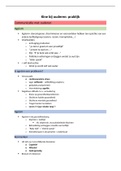
, Hoorcollege 1: introductie
Hoe kom je van communicatie naar gedrag?
4e eeuw voor C. Aristoteles: manieren om iemand te overtuigen
- ethos: de persoon (karakter, credibility en ethiek)
- pathos: emotie en passie
- logos: argumenten
6e eeuw: Augustinus van Hippo: overtuigen van goede kanten christendom
15e eeuw: Niccolo Machiavellie: beste potentieel bereiken
1900-1950: Freud & Jung: psychoanalytische theorie
- Freud: id, ego, superego
- Jung: uitwerkingen van het bewuste en onderbewuste
→ belang van symbolen (archetypes)
1930: injectienaaldtheorie: verklaring waarom propaganda zo goed werkt om mensen aan te
zetten tot actie. Het is het idee dat als je de perfecte boodschap hebt, dat dit bij mensen
geïnjecteerd wordt in hun brein en dat de boodschap dan meteen geaccepteerd wordt.
→ werkt niet zo.
1948: Communicatietheorie van Shannon & Weaver (wiskundig model)
1948: communicatietheorie Harold Lasswell
Artikelen bij hoorcollege 2: beïnvloedingscontinuüm en ethisch overtuigen 6
Baker, S. & Martinson, D.L. (2001). The TARES Test: Five principles for ethical
persuasion. 6
Kennisclip 6
Artikel 7
Chartrand, T.L. (2005). The role of conscious awareness in consumer behavior. 8
Kennisclip 8
Artikel 8
Hoorcollege 2: beïnvloedingscontinuüm en ethisch overtuigen 11
Artikelen bij hoorcollege 3: communicatie en weerstand 12
Fransen, M.L., Verlegh, P.W., Kirmani, A., & Smit, E.G. (2015). A typology of consumer
strategies for resisting advertising, and a review of mechanisms for countering them. 12
Kennisclip 12
Artikel 14
Jenkins, M., & Dragojevic, M. (2013). Explaining the process of resistance to persuasion:
A politeness theory-based approach. 16
Kennisclip 16
Hoorcollege 3: communicatie en weerstand 21
Artikelen bij hoorcollege 4: automatisch vs beredeneerd gedrag 24
Maio et al. (2007). Social psychological factors in lifestyle change and their relevance to
policy. 24
Kennisclip 24
Artikel 26
Kemps, E., Tiggemann, M., & Hollitt, S. (2014). Exposure to television food advertising
primes food-related cognitions and triggers motivation to eat. 29
Kennisclip 29
Artikel 30
Hoorcollege 4: automatisch vs beredeneerd gedrag 32
Artikelen bij hoorcollege 5: prosociaal gedrag 34
MacDonnell, R., & White, K. (2015). How construals of money versus time impact
consumer charitable giving. 34
Kennisclip 34
Artikel 36
Pfeiffer, B. E., Sundar, A., & Cao, E. (2023). The influence of language style (formal vs.
colloquial) on the effectiveness of charitable appeals. 40
Kennisclip 40
Artikel 41
Hoorcollege 5: prosociaal gedrag 45
Artikelen bij hoorcollege 6: Impulsieve en reflectieve invloeden op gedrag 47
Hofmann, W., Friese, M., & Wiers R.W. (2008). Impulsive versus reflective influences on
health behavior: a theoretical framework and empirical review. 47
Kennisclip 47
Artikel 50
, May, F., & Irmak, C. (2018). The effects of rarity on indulgent consumption:
Non-impulsives indulge when low frequency is salient. 53
Kennisclip 53
Artikel 54
Hoorcollege 6: Impulsieve en reflectieve invloeden op gedrag 59
Artikelen bij hoorcollege 7: nudging 61
Cadario, R., & Chandon, P. (2020). Which healthy eating nudges work best? A
meta-analysis of field experiments. 61
Kennisclip 61
Artikel 62
Romero, M., & Biswas, D. (2016). Healthy-left, unhealthy-right: Can displaying healthy
items to the left (versus right) of unhealthy items nudge healthier choices? 64
Kennisclip 64
Artikel 65
Hoorcollege 7: nudging 68
Artikelen bij hoorcollege 8: influencer marketing en WOM 70
De Veirman, M., Hudders, L., & Nelson, M. R. (2019). What is influencer marketing and
how does it target children? A review and direction for future research. 70
Kennisclip 70
Artikel 71
Boerman, S. C., Meijers, M. H., & Zwart, W. (2022). The Importance of
Influencer-Message Congruence When Employing Greenfluencers to Promote
Pro-Environmental Behavior. 74
Kennisclip 74
Artikel 75
Hoorcollege 8: influencer marketing en WOM 78
Artikelen bij hoorcollege 9: zintuigen aanspreken 80
Krishna, A. (2012). An integrative review of sensory marketing: Engaging the senses to
affect perception, judgment and behavior. 80
Kennisclip 80
Artikel 81
Cascio Rizzo, G. L., Berger, J., De Angelis, M., & Pozharliev, R. (2023). How Sensory
Language Shapes Influencer’s Impact. 84
Kennisclip 84
Artikel 86
Hoorcollege 9: zintuigen aanspreken 90
Artikelen bij Hoorcollege 10: Branding 91
Garvey, A.M., Germann, F., & Bolton, L.E. (2016). Performance brand placebos: How
brands improve performance and consumers take the credit. 91
Kennisclip 91
Artikel 92
Sundar A., & Noseworthy, T.J. (2016). Too exciting to fail, too sincere to succeed: the
effects of brand personality on sensory disconfirmation. 98
Kennisclip 98
Artikel 100
Hoorcollege 10: Branding 105
,Artikelen bij hoorcollege 11: Framing 106
Updegraff, J.A., & Rothman, A.J. (2013). Health message framing: moderators,
mediators, and mysteries. 106
Kennisclip 106
Artikel 107
Ploll, U., Weingarten, N., & Hartmann, M. (2023). Frame by frame, attitude by attitude –
the effect of information framing in videos on consumers’ acceptance of sustainable food
production innovations. 110
Kennisclip 110
Artikel 111
Hoorcollege 11: Framing 114
Artikelen bij hoorcollege 12: sociale beïnvloedingstechnieken 116
Cialdini, R.B., & Goldstein, N.J. (2004). Social influence: Compliance and conformity. 116
Kennisclip 116
Artikel 118
O'Keefe D.J., & Figgé, M. (1997). A guilt-based explanation of the Door-in-the-Face
influence strategy. 124
Kennisclip 124
Artikel 125
Hoorcollege 12: sociale beïnvloedingstechnieken 129
Artikelen bij hoorcollege 13: communicatie en de sociale norm 131
Jaeger, C.M., & Schultz, P.W. (2017). Coupling social norms and commitments: testing
the underdetected nature of social influence. 131
Kennisclip 131
Artikel 132
Cialdini, R. B., & Jacobson, R. P. (2021). Influences of social norms on climate
change-related behaviors. 135
Kennisclip 135
Artikel 136
Hoorcollege 13: communicatie en de sociale norm 139
, Hoorcollege 1: introductie
Hoe kom je van communicatie naar gedrag?
4e eeuw voor C. Aristoteles: manieren om iemand te overtuigen
- ethos: de persoon (karakter, credibility en ethiek)
- pathos: emotie en passie
- logos: argumenten
6e eeuw: Augustinus van Hippo: overtuigen van goede kanten christendom
15e eeuw: Niccolo Machiavellie: beste potentieel bereiken
1900-1950: Freud & Jung: psychoanalytische theorie
- Freud: id, ego, superego
- Jung: uitwerkingen van het bewuste en onderbewuste
→ belang van symbolen (archetypes)
1930: injectienaaldtheorie: verklaring waarom propaganda zo goed werkt om mensen aan te
zetten tot actie. Het is het idee dat als je de perfecte boodschap hebt, dat dit bij mensen
geïnjecteerd wordt in hun brein en dat de boodschap dan meteen geaccepteerd wordt.
→ werkt niet zo.
1948: Communicatietheorie van Shannon & Weaver (wiskundig model)
1948: communicatietheorie Harold Lasswell