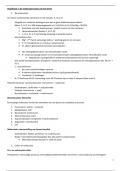
3.4C Affective Disorders
1. Depression Part 1
What is depression?
How do we diagnose major depression, what are the subtypes and what are the general
characteristics of this disease and what are the most important cognitive theories?
General:
WHO = single largest contributer to global disability
Frequently asked questions:
What are common mental disorders? What is depression?
impact on the mood or feeling of affected person
anxiety and somatic complaints
Definitions:
Depressive Disorder:
sadness, loss of interest/pleaure, feeling of guilt. or low self worth, disturbed
sleep/appetite, feelings of tiredness and poor concentration
can be long lasting or recurrent
major depressive disorder/ depressive episode: symptoms of depressed mood, loss of
interest and enjoyment, decreased energy → mild moderate or severe
based on nr symptoms, level distress, intensity symptoms, degree impairment social
and occupational functioning
first 2 symptoms = highest positive predictive value
Global and regional estimates of health loss:
losses in health and functioning
Development:
at least 1/3 of symptomatic cases follow moderate-severe course
Neurocognition:
, cognitive deficits as core dimension → may be progressive in patients in subdomain
of learning/memory
reduce life expectancy and increase social and economic burden
gene environment interaction→ neurobiological changes = altered brain structures
cognitive affective changes= hypervigilance to threat
What are the diagnostic criteria for major depression according to DSM-5 ?
Symptom profile:
9 symptoms: depressed mood & diminished interest/pleasure = mandatory
, reduced concentration/indecisiveness, feeling worthless/guilt, recurrent thoughts of death,
in/hypersomnia, change appetite/weight, psychomotor agi/retardation, fatigues/loss energy
at least 5 most of the day, nearly every day for at least 2 weeks
Severity:
based on numer of symptoms, level of distress & degree impairment
mild deression= few if any symptoms
intensity is distressing but manageable
minor impairment social /occupational functioning
severe depression= excess of what is required to make diagnosis
intensity symptoms is serious distressing and unmanageable
symptoms markedly interfere with social and occupational functioning
Dysfunctional cognitive schemas:
negative perception of self, world and furture (cognitive triad) through schemas
characterized by loss, failure, worthlessness and rejection
negative information processing bias
cognitive restructuring→ modify schemas to achieve functional role
cognitive negative biases → impaired ability to use past memories
What are the diagnostic criteria for persistent depressive disorder (dysthymia)
according to DSM-5?
dysthimia: persistent or chronic form of mild depression (less intense and last longer)
only one core symptom = depressed mood
What are atypical, psychotic and melancholic features of major depression?
,Clinical Subtypes:
melancholic= many somatic symptoms
either loss of pleasure in almost all activities, or lack reactivity to pleasurable stimuli
→ not depresse dmood (can be present but not required)
not even highly desired events have mood brighten
more likely in more severe
and at least 3 of:
1. distinct quality of depressed mood = deapair or empty mood
2. worse depresison in morning
3. psychomotor agi/retardation
4. anorexia/weight loss
5. excessive/ inappropriate guilt
Treatment:
respond less to psychotherapy
psychotic depression
presence of delusions/hallucinations → stops when depressive episode ends
associated with increase suicidiality
requires specific treatment approach
increased suicidality
Treatment:
most effective antipsychotic + antidepressant
What is the typical gender distribution in major depression?
Global and regional estimates of prevalence:
Depression:
more common among females (5.1%) than males (3.6%)
, 322 million people suffer = 4,4% world population
Increased by 18.4% between 2005-2015
What are the most important risk factors for depression?
WHo is most likely to get depressed?
increased by poverty, unemployment, life events, physical illness and substance use
peaks in older adulthood
Personality traits:
neuroticism as vulnerability → respond poorly to environmental stress
Low in conscientiousness → likely to drop out
Antecendent and concomitant psychiatric conditions:
anxiety conditions→ increased depression → high genetic correlation
Especially substance use, anxiety & borderline personality disorder
Physical comorbidities
Particularly cardiometabolic diseases
Various factors → e.g unhealthy lifestyle & use of antidepressants
Diabetes mellitus (1.5 x higher risk)
Family history:
heritability at 37% with higher rate in women than men
Early environmental exposures:
emotional abuse and neglect highly associated with depression
early adversity= risk depression onset, maintenance and recurrence
recent environmental exposures:
major life events, chronic stressors and daily hassels
caregivers for children with intellectual disabilities, family member with dementia
dysfunctional cognitive schemas are predictive for onset of new depressive episode
What is the course of depression?
Depression and Other Common Mental Disorders: (WHO)
suicide deaths = 800 000→ depression is major contributor
Accounts for 1.5% of all death worldwide
1. Depression Part 1
What is depression?
How do we diagnose major depression, what are the subtypes and what are the general
characteristics of this disease and what are the most important cognitive theories?
General:
WHO = single largest contributer to global disability
Frequently asked questions:
What are common mental disorders? What is depression?
impact on the mood or feeling of affected person
anxiety and somatic complaints
Definitions:
Depressive Disorder:
sadness, loss of interest/pleaure, feeling of guilt. or low self worth, disturbed
sleep/appetite, feelings of tiredness and poor concentration
can be long lasting or recurrent
major depressive disorder/ depressive episode: symptoms of depressed mood, loss of
interest and enjoyment, decreased energy → mild moderate or severe
based on nr symptoms, level distress, intensity symptoms, degree impairment social
and occupational functioning
first 2 symptoms = highest positive predictive value
Global and regional estimates of health loss:
losses in health and functioning
Development:
at least 1/3 of symptomatic cases follow moderate-severe course
Neurocognition:
, cognitive deficits as core dimension → may be progressive in patients in subdomain
of learning/memory
reduce life expectancy and increase social and economic burden
gene environment interaction→ neurobiological changes = altered brain structures
cognitive affective changes= hypervigilance to threat
What are the diagnostic criteria for major depression according to DSM-5 ?
Symptom profile:
9 symptoms: depressed mood & diminished interest/pleasure = mandatory
, reduced concentration/indecisiveness, feeling worthless/guilt, recurrent thoughts of death,
in/hypersomnia, change appetite/weight, psychomotor agi/retardation, fatigues/loss energy
at least 5 most of the day, nearly every day for at least 2 weeks
Severity:
based on numer of symptoms, level of distress & degree impairment
mild deression= few if any symptoms
intensity is distressing but manageable
minor impairment social /occupational functioning
severe depression= excess of what is required to make diagnosis
intensity symptoms is serious distressing and unmanageable
symptoms markedly interfere with social and occupational functioning
Dysfunctional cognitive schemas:
negative perception of self, world and furture (cognitive triad) through schemas
characterized by loss, failure, worthlessness and rejection
negative information processing bias
cognitive restructuring→ modify schemas to achieve functional role
cognitive negative biases → impaired ability to use past memories
What are the diagnostic criteria for persistent depressive disorder (dysthymia)
according to DSM-5?
dysthimia: persistent or chronic form of mild depression (less intense and last longer)
only one core symptom = depressed mood
What are atypical, psychotic and melancholic features of major depression?
,Clinical Subtypes:
melancholic= many somatic symptoms
either loss of pleasure in almost all activities, or lack reactivity to pleasurable stimuli
→ not depresse dmood (can be present but not required)
not even highly desired events have mood brighten
more likely in more severe
and at least 3 of:
1. distinct quality of depressed mood = deapair or empty mood
2. worse depresison in morning
3. psychomotor agi/retardation
4. anorexia/weight loss
5. excessive/ inappropriate guilt
Treatment:
respond less to psychotherapy
psychotic depression
presence of delusions/hallucinations → stops when depressive episode ends
associated with increase suicidiality
requires specific treatment approach
increased suicidality
Treatment:
most effective antipsychotic + antidepressant
What is the typical gender distribution in major depression?
Global and regional estimates of prevalence:
Depression:
more common among females (5.1%) than males (3.6%)
, 322 million people suffer = 4,4% world population
Increased by 18.4% between 2005-2015
What are the most important risk factors for depression?
WHo is most likely to get depressed?
increased by poverty, unemployment, life events, physical illness and substance use
peaks in older adulthood
Personality traits:
neuroticism as vulnerability → respond poorly to environmental stress
Low in conscientiousness → likely to drop out
Antecendent and concomitant psychiatric conditions:
anxiety conditions→ increased depression → high genetic correlation
Especially substance use, anxiety & borderline personality disorder
Physical comorbidities
Particularly cardiometabolic diseases
Various factors → e.g unhealthy lifestyle & use of antidepressants
Diabetes mellitus (1.5 x higher risk)
Family history:
heritability at 37% with higher rate in women than men
Early environmental exposures:
emotional abuse and neglect highly associated with depression
early adversity= risk depression onset, maintenance and recurrence
recent environmental exposures:
major life events, chronic stressors and daily hassels
caregivers for children with intellectual disabilities, family member with dementia
dysfunctional cognitive schemas are predictive for onset of new depressive episode
What is the course of depression?
Depression and Other Common Mental Disorders: (WHO)
suicide deaths = 800 000→ depression is major contributor
Accounts for 1.5% of all death worldwide