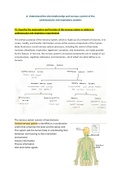
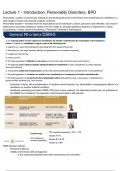
A: Understand the interrelationship and nervous control of the
cardiovascular and respiratory systems
P1: Describe the organisation and function of the nervous system in relation to
cardiovascular and respiratory requirements
The primary purpose of the nervous system, which is made up of a network of neurons, is to
create, modify, and transfer information across all the various components of the human
body. Numerous crucial nervous system processes, including the control of key body
functions (heartbeat, respiration, digestion), sensation, and movement, are made possible
by this feature. In the end, the nervous system's structural components are in charge of our
consciousness, cognition, behaviour, and memories—all of which are what define us as
humans.
The nervous system consists of two divisions
Central nervous system is identified as a coordination
centre that comprises the brain and the spinal cord.
This system aids the human body in coordinating their
behaviour and reacting to their immediate
environment.
Sensory information
Process information
And send motor signals.
,Brain: The brain processes most of the body’s sensory information and is responsible for
coordinating conscious and unconscious body functions including feeling, thinking, and
maintaining homeostasis, which is the body’s ability to maintain a stable environment.
Spinal cord: The spinal cord directs signals from the brain to the body and is capable of
controlling simple reflexes without transmitting information from the brain.
The central nervous system receives information from the peripheral nervous system (PNS).
Peripheral nervous system is composed of nerves and ganglia. The peripheral nervous
system accumulates all vital information that has been acquired from the environment and
sends it to the central nervous system, which processes the information and gathers a
response.
somatic nervous system and autonomic
The Autonomic Nervous System
Each connection consists of at least two unmyelinated neurons which form a connection
with each other outside of the CNS at a small swelling called a ganglion. This division
controls involuntary (automatic) responses so the effector may be a smooth muscle, cardiac
muscle or a gland.
The somatic nervous system
Each connection consists of one myelinated motor neuron and connects to a single skeletal
muscle. These are under voluntary control.
Divisions of the autonomic nervous and somatic nervous system:
,The somatic nervous system is the part of the peripheral nervous system responsible for
carrying sensory and motor information to and from the central nervous system. The
somatic nervous system derives its name from the Greek word soma, which means "body."
The somatic system is responsible for transmitting sensory information as well as for
controlling voluntary movement. This system contains two major types of neurons:
● Motor neurons: Also called efferent neurons, motor neurons carry information from
the brain and spinal cord to muscle fibres throughout the body. These motor neurons
allow us to take physical action in response to stimuli in the environment.
● Sensory neurons: Also called afferent neurons, sensory neurons carry information
from the nerves to the central nervous system. The sensory neurons allow us to take
in sensory information and send it to the brain and spinal cord.
The peripheral nervous system's autonomic system is in charge of controlling unconscious
bodily processes like breathing, heartbeat, digestion, and blood flow.
In other words, it is the autonomic system that controls aspects of the body that are usually
not under voluntary control. This system allows these functions to take place without
needing to consciously think about them happening. The autonomic system is further
divided into two branches:
● Sympathetic system: By regulating the flight-or-fight response,1 the sympathetic
system prepares the body to expend energy to respond to environmental threats.
When action is needed, the sympathetic system triggers a response by accelerating
heart rate, increasing breathing rate, boosting blood flow to muscles, activating
sweat secretion, and dilating the pupils.
● Parasympathetic system: This helps maintain normal body functions and conserve
physical resources. Once a threat has passed, this system will slow the heart rate,
slow breathing, reduce blood flow to muscles, and constrict the pupils. This allows
the body to return to a normal resting state.
, Nerve cells
Nerve cells are also called neurons. They are adapted to carry electrical impulses from one
place to another. There are two types of neurons: myelinated and unmyelinated.
cardiovascular and respiratory systems
P1: Describe the organisation and function of the nervous system in relation to
cardiovascular and respiratory requirements
The primary purpose of the nervous system, which is made up of a network of neurons, is to
create, modify, and transfer information across all the various components of the human
body. Numerous crucial nervous system processes, including the control of key body
functions (heartbeat, respiration, digestion), sensation, and movement, are made possible
by this feature. In the end, the nervous system's structural components are in charge of our
consciousness, cognition, behaviour, and memories—all of which are what define us as
humans.
The nervous system consists of two divisions
Central nervous system is identified as a coordination
centre that comprises the brain and the spinal cord.
This system aids the human body in coordinating their
behaviour and reacting to their immediate
environment.
Sensory information
Process information
And send motor signals.
,Brain: The brain processes most of the body’s sensory information and is responsible for
coordinating conscious and unconscious body functions including feeling, thinking, and
maintaining homeostasis, which is the body’s ability to maintain a stable environment.
Spinal cord: The spinal cord directs signals from the brain to the body and is capable of
controlling simple reflexes without transmitting information from the brain.
The central nervous system receives information from the peripheral nervous system (PNS).
Peripheral nervous system is composed of nerves and ganglia. The peripheral nervous
system accumulates all vital information that has been acquired from the environment and
sends it to the central nervous system, which processes the information and gathers a
response.
somatic nervous system and autonomic
The Autonomic Nervous System
Each connection consists of at least two unmyelinated neurons which form a connection
with each other outside of the CNS at a small swelling called a ganglion. This division
controls involuntary (automatic) responses so the effector may be a smooth muscle, cardiac
muscle or a gland.
The somatic nervous system
Each connection consists of one myelinated motor neuron and connects to a single skeletal
muscle. These are under voluntary control.
Divisions of the autonomic nervous and somatic nervous system:
,The somatic nervous system is the part of the peripheral nervous system responsible for
carrying sensory and motor information to and from the central nervous system. The
somatic nervous system derives its name from the Greek word soma, which means "body."
The somatic system is responsible for transmitting sensory information as well as for
controlling voluntary movement. This system contains two major types of neurons:
● Motor neurons: Also called efferent neurons, motor neurons carry information from
the brain and spinal cord to muscle fibres throughout the body. These motor neurons
allow us to take physical action in response to stimuli in the environment.
● Sensory neurons: Also called afferent neurons, sensory neurons carry information
from the nerves to the central nervous system. The sensory neurons allow us to take
in sensory information and send it to the brain and spinal cord.
The peripheral nervous system's autonomic system is in charge of controlling unconscious
bodily processes like breathing, heartbeat, digestion, and blood flow.
In other words, it is the autonomic system that controls aspects of the body that are usually
not under voluntary control. This system allows these functions to take place without
needing to consciously think about them happening. The autonomic system is further
divided into two branches:
● Sympathetic system: By regulating the flight-or-fight response,1 the sympathetic
system prepares the body to expend energy to respond to environmental threats.
When action is needed, the sympathetic system triggers a response by accelerating
heart rate, increasing breathing rate, boosting blood flow to muscles, activating
sweat secretion, and dilating the pupils.
● Parasympathetic system: This helps maintain normal body functions and conserve
physical resources. Once a threat has passed, this system will slow the heart rate,
slow breathing, reduce blood flow to muscles, and constrict the pupils. This allows
the body to return to a normal resting state.
, Nerve cells
Nerve cells are also called neurons. They are adapted to carry electrical impulses from one
place to another. There are two types of neurons: myelinated and unmyelinated.