Table of Content
CHAPTER 1 - WHAT ARE ORGANIZATIONS?............................................4
1. ORGANIZATION THEORY IN ACTION..........................................................................4
1.1 Topics........................................................................................................ 4
1.2 Current challenges.................................................................................... 4
Globalization................................................................................................... 4
2. WHAT IS AN ORGANIZATION?...........................................................5
2.1 TYPES OF ORGANIZATIONS................................................................................... 5
2.2 IMPORTANCE OF ORGANIZATIONS...........................................................................5
CHAPTER 2 - PERSPECTIVES ON ORGANIZATIONS..................................6
DIMENSIONS OR ORGANIZATION DESIGN.......................................................................6
Structural Dimensions..................................................................................... 7
Contextual dimensions....................................................................................7
PERFORMANCE AND EFFECTIVENESS OUTCOMES.............................................................7
EVOLUTION OF ORGANIZATION THEORY AND DESIGN.......................................................8
Contemporary organization design.................................................................8
ORGANIZATIONAL PURPOSE....................................................................................... 9
Importance of goals........................................................................................ 9
FRAMEWORK FOR SELECTING STRATEGY AND DESIGN......................................................9
Porter generic strategy.................................................................................10
Miles and Snows strategy typology...............................................................10
Emerging concepts in business strategy.......................................................10
How strategies affect organization design....................................................10
Other factors affecting organization design..................................................10
Assessing organizational effectiveness.........................................................10
Contingency effectiveness approaches.........................................................11
INTEGRATED EFFECTIVENESS MODEL..........................................................................11
CHAPTER 4 - FUNDAMENTAL OF ORGANIZATION STRUCTURE...............13
ORGANIZATION STRUCTURE..................................................................................... 13
ORGANIZATION STRUCTURE REPRESENTED VISUALLY IN ORGANIZATION CHARTS..................13
Information-processing perspective on structure..........................................13
Horizontal information linkages....................................................................14
Organizational design alternatives................................................................14
Functional, divisional and geographical designs...........................................14
Matrix structure............................................................................................ 16
Horizontal structure...................................................................................... 17
Virtual Network structure..............................................................................17
Hybrid structure............................................................................................ 18
Applications of structural design...................................................................18
Symptoms of structural deficiency................................................................18
CHAPTER 5 - THE EXTERNAL ENVIRONMENT........................................19
THE ENVIRONMENTAL DOMAIN.................................................................................. 19
ENVIRONMENTAL UNCERTAINTY................................................................................. 19
ADAPTING TO ENVIRONMENTAL UNCERTAINTY...............................................................20
Positions and departments............................................................................20
Buffering and boundary spanning.................................................................21
Boundary-spanning role................................................................................ 21
FRAMEWORK FOR ORGANIZATIONAL RESPONSES TO UNCERTAINTY....................................22
RESOURCE DEPENDENCE......................................................................................... 22
CONTROLLING EXTERNAL RESOURCES........................................................................23
Establishing inter-organizational linkages.....................................................23
1
, Controlling the environmental domain..........................................................23
Organization-environment integrative framework........................................24
CHAPTER 7 - DESIGNING ORGANIZATION FOR THE INTERNATIONAL
ENVIRONMENT..................................................................................25
ENTERING THE GLOBAL ARENA................................................................................. 25
Stage of international development..............................................................25
Global expansion through international strategic alliances..........................25
DESIGNING STRUCTURE TO FIT GLOBAL STRATEGY........................................................25
BUILDING GLOBAL CAPABILITIES................................................................................ 27
Global coordination mechanisms..................................................................28
CULTURAL DIFFERENCES IN COORDINATION AND CONTROL..............................................28
THE TRANSNATIONAL MODEL OF ORGANIZATION...........................................................28
NEW APPROACHES TO GLOBAL ORGANIZATIONAL DESIGN...............................................29
CHAPTER 8 - MANUFACTURING AND SERVICE TECHNOLOGIES..............31
CORE ORGANIZATION MANUFACTURING TECHNOLOGY....................................................31
Manufacturing firms...................................................................................... 31
Strategy, Technology and Performance.........................................................32
CONTEMPORARY APPLICATIONS................................................................................. 32
Flexible manufacturing systems...................................................................32
Lean manufacturing...................................................................................... 33
Performance and structural implications.......................................................33
Designing the service organization...............................................................35
NON-CORE DEPT. TECHNOLOGY................................................................................ 35
DEPARTMENT DESIGN............................................................................................. 36
WORKFLOW INTERDEPENDENCE AMONG DEPARTMENTS..................................................36
IMPACT OF TECHNOLOGY ON JOB DESIGN....................................................................37
CHAPTER 9 - INFORMATION TECHNOLOGY AND CONTROL....................39
INFO TECHNOLOGY EVOLUTION................................................................................. 39
INFORMATION FOR DECISION-MAKING AND CONTROL....................................................39
ADDING STRATEGIC VALUE: STRENGTHENING INTERNAL COORDINATION...........................42
Adding Strategic Value: Strengthening External Relationships.....................43
E-business..................................................................................................... 43
IT IMPACT ON ORGANIZATION DESIGN........................................................................44
FUTURE TREND..................................................................................................... 44
CHAPTER 10 - ORGANIZATION SIZE, LIFE CYCLE AND DECLINE..............45
ORGANIZATION SIZE: IS BIGGER BETTER?...................................................................45
ORGANIZATIONAL LIFE CYCLE................................................................................... 45
ORGANIZATIONAL BUREAUCRACY AND CONTROL..........................................................46
WEBERS DIMENSIONS............................................................................................. 46
ORGANIZATION DECLINE AND DOWNSIZING.................................................................47
5 Stages of decline and widening performance gap.....................................47
CHAPTER 11 - MANAGING DYNAMIC PROCESSES..................................49
ORGANIZATIONAL CULTURE...................................................................................... 49
Emergence and Purpose of culture...............................................................49
Interpreting culture....................................................................................... 49
ORGANIZATION DESIGN AND CULTURE........................................................................50
Culture strength and organization subcultures.............................................50
ORGANIZATION CULTURE, LEARNING AND PERFORMANCE................................................51
ETHICAL VALUES AND SOCIAL RESPONSIBILITY..............................................................51
SOURCE OF ETHICAL VALUES IN ORGANIZATION............................................................51
HOW LEADERS SHAPE CULTURES AND ETHICS..............................................................52
CORPORATE CULTURE AND ETHICS IN A GLOBAL ENVIRONMENT........................................52
2
,CHAPTER 12 - INNOVATION AND CHANGE............................................53
INNOVATE OR PERISH: THE STRATEGIC ROLE OF CHANGE................................................53
Strategic types of change............................................................................. 54
ELEMENTS FOR SUCCESSFUL CHANGE........................................................................54
TECHNOLOGY CHANGE............................................................................................ 55
Techniques for encouraging technology change...........................................55
NEW PRODUCTS AND SERVICES................................................................................ 55
Achieving competitive advantage: The need for Speed................................56
STRATEGY AND STRUCTURE CHANGE..........................................................................56
CULTURE CHANGE.................................................................................................. 57
Organization Development (OD) Culture Change Interventions....................57
STRATEGIES FOR IMPLEMENTING CHANGE....................................................................57
Barriers of change......................................................................................... 58
Techniques for implementation.....................................................................58
3
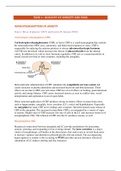
, Chapter 1 - What are organizations?
1. Organization theory in action
1.1 Topics
Organization is used in every kind of institution.
Everybody is affected by technological changes
Organizational design is not the only factor for success.
Organization theory extends beyond a managerial perspective and asks
fundamental questions about how and why organizations are designed
they are.
Design is an inherently political one involves the distribution of power and
opportunity.
Implementation of design contingents upon the political will to implement
and the capacity to over come resistance.
In organization - Departments pulling in different directions
- Cooperating
Hierarchical and undemocratic, means a few people decide where to go
and what failure is.
Affected by personal preferences
Political economy - theoretical framework that focuses on two key
components of organizations and their interaction: Polity and economy of
org.
Polity - is constitution (fundamental norms), and system of authority power
and influence.
Economy - is economic structures and processes of the organization.
Process turning raw material in goods and services
1.2 Current challenges
Globalization
Acting flexible with cutting cost and using engineering knowledge,
outsourcing,
New advantages but more competitive pressure
Ethics and social responsibility
Enron, BAE - wake up call for fraud.
Some bad apples but customer forming opinion about whole company.
Responsiveness
Responds quickly - to environmental changes and others
Relying on mass production often fuelled by competitors.
Financial basis is today information not machines.
Intangible product becoming more important - involving designing and
coordination the manufactures of products.
Knowledge of people is important and not the means of production.
Digital working place
Keep up with technological developments in job
Disintermediation - elimination of middleman
4
CHAPTER 1 - WHAT ARE ORGANIZATIONS?............................................4
1. ORGANIZATION THEORY IN ACTION..........................................................................4
1.1 Topics........................................................................................................ 4
1.2 Current challenges.................................................................................... 4
Globalization................................................................................................... 4
2. WHAT IS AN ORGANIZATION?...........................................................5
2.1 TYPES OF ORGANIZATIONS................................................................................... 5
2.2 IMPORTANCE OF ORGANIZATIONS...........................................................................5
CHAPTER 2 - PERSPECTIVES ON ORGANIZATIONS..................................6
DIMENSIONS OR ORGANIZATION DESIGN.......................................................................6
Structural Dimensions..................................................................................... 7
Contextual dimensions....................................................................................7
PERFORMANCE AND EFFECTIVENESS OUTCOMES.............................................................7
EVOLUTION OF ORGANIZATION THEORY AND DESIGN.......................................................8
Contemporary organization design.................................................................8
ORGANIZATIONAL PURPOSE....................................................................................... 9
Importance of goals........................................................................................ 9
FRAMEWORK FOR SELECTING STRATEGY AND DESIGN......................................................9
Porter generic strategy.................................................................................10
Miles and Snows strategy typology...............................................................10
Emerging concepts in business strategy.......................................................10
How strategies affect organization design....................................................10
Other factors affecting organization design..................................................10
Assessing organizational effectiveness.........................................................10
Contingency effectiveness approaches.........................................................11
INTEGRATED EFFECTIVENESS MODEL..........................................................................11
CHAPTER 4 - FUNDAMENTAL OF ORGANIZATION STRUCTURE...............13
ORGANIZATION STRUCTURE..................................................................................... 13
ORGANIZATION STRUCTURE REPRESENTED VISUALLY IN ORGANIZATION CHARTS..................13
Information-processing perspective on structure..........................................13
Horizontal information linkages....................................................................14
Organizational design alternatives................................................................14
Functional, divisional and geographical designs...........................................14
Matrix structure............................................................................................ 16
Horizontal structure...................................................................................... 17
Virtual Network structure..............................................................................17
Hybrid structure............................................................................................ 18
Applications of structural design...................................................................18
Symptoms of structural deficiency................................................................18
CHAPTER 5 - THE EXTERNAL ENVIRONMENT........................................19
THE ENVIRONMENTAL DOMAIN.................................................................................. 19
ENVIRONMENTAL UNCERTAINTY................................................................................. 19
ADAPTING TO ENVIRONMENTAL UNCERTAINTY...............................................................20
Positions and departments............................................................................20
Buffering and boundary spanning.................................................................21
Boundary-spanning role................................................................................ 21
FRAMEWORK FOR ORGANIZATIONAL RESPONSES TO UNCERTAINTY....................................22
RESOURCE DEPENDENCE......................................................................................... 22
CONTROLLING EXTERNAL RESOURCES........................................................................23
Establishing inter-organizational linkages.....................................................23
1
, Controlling the environmental domain..........................................................23
Organization-environment integrative framework........................................24
CHAPTER 7 - DESIGNING ORGANIZATION FOR THE INTERNATIONAL
ENVIRONMENT..................................................................................25
ENTERING THE GLOBAL ARENA................................................................................. 25
Stage of international development..............................................................25
Global expansion through international strategic alliances..........................25
DESIGNING STRUCTURE TO FIT GLOBAL STRATEGY........................................................25
BUILDING GLOBAL CAPABILITIES................................................................................ 27
Global coordination mechanisms..................................................................28
CULTURAL DIFFERENCES IN COORDINATION AND CONTROL..............................................28
THE TRANSNATIONAL MODEL OF ORGANIZATION...........................................................28
NEW APPROACHES TO GLOBAL ORGANIZATIONAL DESIGN...............................................29
CHAPTER 8 - MANUFACTURING AND SERVICE TECHNOLOGIES..............31
CORE ORGANIZATION MANUFACTURING TECHNOLOGY....................................................31
Manufacturing firms...................................................................................... 31
Strategy, Technology and Performance.........................................................32
CONTEMPORARY APPLICATIONS................................................................................. 32
Flexible manufacturing systems...................................................................32
Lean manufacturing...................................................................................... 33
Performance and structural implications.......................................................33
Designing the service organization...............................................................35
NON-CORE DEPT. TECHNOLOGY................................................................................ 35
DEPARTMENT DESIGN............................................................................................. 36
WORKFLOW INTERDEPENDENCE AMONG DEPARTMENTS..................................................36
IMPACT OF TECHNOLOGY ON JOB DESIGN....................................................................37
CHAPTER 9 - INFORMATION TECHNOLOGY AND CONTROL....................39
INFO TECHNOLOGY EVOLUTION................................................................................. 39
INFORMATION FOR DECISION-MAKING AND CONTROL....................................................39
ADDING STRATEGIC VALUE: STRENGTHENING INTERNAL COORDINATION...........................42
Adding Strategic Value: Strengthening External Relationships.....................43
E-business..................................................................................................... 43
IT IMPACT ON ORGANIZATION DESIGN........................................................................44
FUTURE TREND..................................................................................................... 44
CHAPTER 10 - ORGANIZATION SIZE, LIFE CYCLE AND DECLINE..............45
ORGANIZATION SIZE: IS BIGGER BETTER?...................................................................45
ORGANIZATIONAL LIFE CYCLE................................................................................... 45
ORGANIZATIONAL BUREAUCRACY AND CONTROL..........................................................46
WEBERS DIMENSIONS............................................................................................. 46
ORGANIZATION DECLINE AND DOWNSIZING.................................................................47
5 Stages of decline and widening performance gap.....................................47
CHAPTER 11 - MANAGING DYNAMIC PROCESSES..................................49
ORGANIZATIONAL CULTURE...................................................................................... 49
Emergence and Purpose of culture...............................................................49
Interpreting culture....................................................................................... 49
ORGANIZATION DESIGN AND CULTURE........................................................................50
Culture strength and organization subcultures.............................................50
ORGANIZATION CULTURE, LEARNING AND PERFORMANCE................................................51
ETHICAL VALUES AND SOCIAL RESPONSIBILITY..............................................................51
SOURCE OF ETHICAL VALUES IN ORGANIZATION............................................................51
HOW LEADERS SHAPE CULTURES AND ETHICS..............................................................52
CORPORATE CULTURE AND ETHICS IN A GLOBAL ENVIRONMENT........................................52
2
,CHAPTER 12 - INNOVATION AND CHANGE............................................53
INNOVATE OR PERISH: THE STRATEGIC ROLE OF CHANGE................................................53
Strategic types of change............................................................................. 54
ELEMENTS FOR SUCCESSFUL CHANGE........................................................................54
TECHNOLOGY CHANGE............................................................................................ 55
Techniques for encouraging technology change...........................................55
NEW PRODUCTS AND SERVICES................................................................................ 55
Achieving competitive advantage: The need for Speed................................56
STRATEGY AND STRUCTURE CHANGE..........................................................................56
CULTURE CHANGE.................................................................................................. 57
Organization Development (OD) Culture Change Interventions....................57
STRATEGIES FOR IMPLEMENTING CHANGE....................................................................57
Barriers of change......................................................................................... 58
Techniques for implementation.....................................................................58
3
, Chapter 1 - What are organizations?
1. Organization theory in action
1.1 Topics
Organization is used in every kind of institution.
Everybody is affected by technological changes
Organizational design is not the only factor for success.
Organization theory extends beyond a managerial perspective and asks
fundamental questions about how and why organizations are designed
they are.
Design is an inherently political one involves the distribution of power and
opportunity.
Implementation of design contingents upon the political will to implement
and the capacity to over come resistance.
In organization - Departments pulling in different directions
- Cooperating
Hierarchical and undemocratic, means a few people decide where to go
and what failure is.
Affected by personal preferences
Political economy - theoretical framework that focuses on two key
components of organizations and their interaction: Polity and economy of
org.
Polity - is constitution (fundamental norms), and system of authority power
and influence.
Economy - is economic structures and processes of the organization.
Process turning raw material in goods and services
1.2 Current challenges
Globalization
Acting flexible with cutting cost and using engineering knowledge,
outsourcing,
New advantages but more competitive pressure
Ethics and social responsibility
Enron, BAE - wake up call for fraud.
Some bad apples but customer forming opinion about whole company.
Responsiveness
Responds quickly - to environmental changes and others
Relying on mass production often fuelled by competitors.
Financial basis is today information not machines.
Intangible product becoming more important - involving designing and
coordination the manufactures of products.
Knowledge of people is important and not the means of production.
Digital working place
Keep up with technological developments in job
Disintermediation - elimination of middleman
4