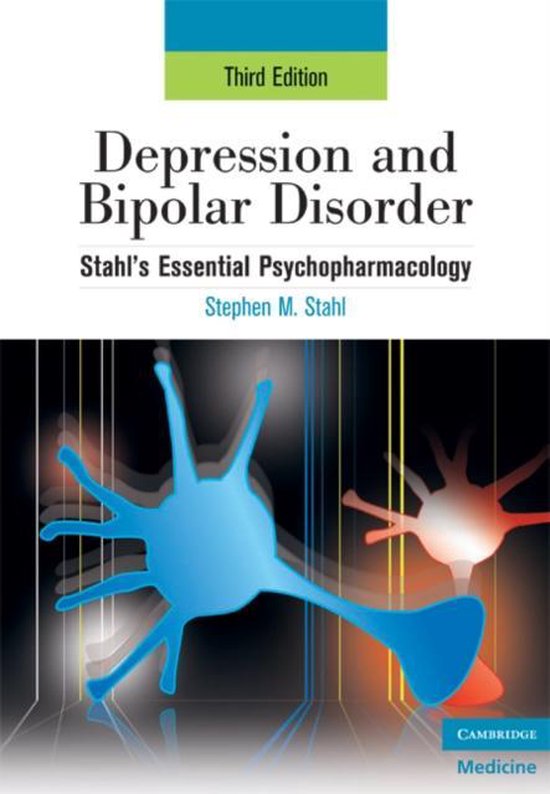
Stahls Essential Psychopharmacology 5th Edition Te
’ ’ ’ ’ ’
st Bank.
’
, Stahl's Essential Psychopharmacology
’ ’
Neuroscientific’Basis’and’Practical’Applications’5th’Edition’Testbank/Study’Guide
Chapter’1’Chemical’neurotransmission
MULTIPLE’CHOICE
1. A’patient’with’depression’mentions’to’the’nurse,’My’mother’says’depression’is’a’ch
emical’disorder.’What’does’she’mean?’The’nurses’response’is’based’on’the’theory’that’
depression’primarily’involves’which’of’the’following’neurotransmitters?
a. Cortisol’and’GABA
b. COMT’and’glutamate
c. Monamine’and’glycine
d. Serotonin’and’norepinephrine’
ANS:’D
One’possible’cause’of’depression’is’thought’to’involve’one’or’more’neurotransmitters.
Serotonin’and’norepinephrine’have’been’found’to’be’important’in’the’regulation’of’d
epression.’There’is’no’research’to’support’that’the’other’options’play’a’significant’rol
e’in’the’development’of’depression.
2. A’patient’has’experienced’a’stroke’(cerebral’vascular’accident)’that’has’resulted’in’d
amage’to’the’Broca’area.’Which’evaluation’does’the’nurse’conduct’to’reinforce’this’dia
gnosis?
a. Observing’the’patient’pick’up’a’spoon
b. Asking’the’patient’to’recite’the’alphabet
c. Monitoring’the’patients’blood’pressure
d. Comparing’the’patients’grip’strength’in’both’hands’
ANS:’B
Accidents’or’strokes’that’damage’Brocas’area’may’result’in’the’inability’to’speak’(i.e.,
motor’aphasia).’Fine’motor’skills,’blood’pressure’control,’and’muscle’strength’are’not’controlled’
by’the’Broca’area’of’the’left’frontal’lobe.
3. The’patient’diagnosed’with’schizophrenia’asks’why’psychotropic’medications’are’al
ways’prescribed’by’the’doctor.’The’nurses’answer’will’be’based’on’information’that’the’t
herapeutic’action’of’psychotropic’drugs’is’the’result’of’their’effect’on:
a. The’temporal’lobe;’especially’Wernickes’area
b. Dendrites’and’their’ability’to’transmit’electrical’impulses
c. The’regulation’of’neurotransmitters’especially’dopamine
d. The’peripheral’nervous’system’sensitivity’to’the’psychotropic’medications
,ANS:’C
Medications’used’to’treat’psychiatric’disorders’operate’in’and’around’the’synaptic’cleft’a
nd’have’action’at’the’neurotransmitter’level,’especially’in’the’case’of’schizophrenia,’on’d
opamine.’The’Wernickes’area,’dendrite’function,’or’the’sensitivity’of’the’peripheral’nerv
ous’system’are’not’relevant’to’either’schizophrenia’or’psychotropic’medications.
4. A’student’nurse’mutters’that’it’seems’entirely’unnecessary’to’have’to’struggle’with’un
derstanding’the’anatomy’and’physiology’of’the’neurologic’system.’The’mentor’would’
base’a’response’on’the’understanding’that’it’is:
Necessary’but’generally’for’psychiatric’nurses’who’focus’primarily’on
a. behavioral’interventions
A’complex’undertaking’that’advance’practice’psychiatric’nurses’frequently’use’in
b. ’their’practice
Important’primarily’for’the’nursing’assessment’of’patients’with’brain’traumacaus
c. ed’cognitive’symptoms
Necessary’for’planning’psychiatric’care’for’all’patients’especially’those’experien
d. cing’psychiatric’disorders
ANS:’D
Nurses’must’understand’that’many’symptoms’of’psychiatric’disorders’have’a’neurologic
’basis,’although’the’symptoms’are’manifested’behaviorally.’This’understanding’facilitat
es’effective’care’planning.’The’foundation’of’knowledge’is’not’used’exclusively’by’adva
nced’practice’psychiatric’nurses’nor’is’it’relevant’for’only’behavior’therapies’or’brain’tra
uma’since’dealing’with’the’results’of’normal’and’abnormal’brain’function’is’a’responsibil
ity’of’all’nurses’providing’all’types’of’care’to’the’psychiatric’patient.
5. A’patient’asks’the’nurse,’My’wife’has’breast’cancer.’Could’it’be’caused’by’her’ch
ronic’depression?’Which’response’is’supported’by’research’data?
a. Too’much’stress’has’been’proven’to’cause’all’kinds’of’cancer.
b. There’have’been’no’research’studies’done’on’stress’and’disease’yet.
c. Stress’does’cause’the’release’of’factors’that’suppress’the’immune’system.
d. There’appears’to’be’little’connection’between’stress’and’diseases’of’the’body’A
NS:’C
Research’indicates’that’stress’causes’a’release’of’corticotropin-releasing’factors’that
suppress’the’immune’system.’Studies’indicate’that’psychiatric’disorders’such’as’mood’di
sorders’are’sometimes’associated’with’decreased’functioning’of’the’immune’system.’Res
earch’does’not’support’a’connection’between’many’cancers’and’stress.’There’is’a’signific
ant’amount’of’research’about’stress’and’the’body.’Research’has’shown’that’there’are’som
e’connections’between’stress’and’physical’disease.
, 6. A’patient’who’has’a’parietal’lobe’injury’is’being’evaluated’for’psychiatric’rehabilitati
on’needs.’Of’the’aspects’of’functioning’listed,’which’will’the’nurse’identify’as’a’focus’of’
nursing’intervention?
a. Expression’of’emotion
b. Detecting’auditory’stimuli
c. Receiving’visual’images
d. Processing’associations’
ANS:’D
The’parietal’lobe’is’responsible’for’associating’and’processing’sensory’information
that’allows’for’functions’such’as’following’directions’on’a’map,’reading’a’clock,’dressin
g’self,’keeping’appointments,’and’distinguishing’right’from’left.’Emotional’expression’i
s’associated’with’frontal’lobe’function.’Detecting’auditory’stimuli’is’a’temporal’lobe’fun
ction.’Receiving’visual’images’is’related’to’occipital’lobe’function.
7. At’admission,’the’nurse’learns’that’some’time’ago’the’patient’had’an’infarct’in’the’rig
ht’cerebral’cortex.’During’assessment,’the’nurse’would’expect’to’find’that’the’patient:
a. Demonstrates’major’deficiencies’in’speech
b. Is’unable’to’effectively’hold’a’spoon’in’the’left’hand
c. Has’difficulty’explaining’how’to’go’about’using’the’telephone
d. Cannot’use’his’right’hand’to’shave’himself’or’comb’his’own’hair’A
NS:’B
The’cerebral’hemispheres’are’responsible’for’functions’such’as’control’of’muscles.
The’right’hemisphere’mainly’controls’the’motor’and’sensory’functions’on’the’left’side’of’
the’body.’Damage’to’the’right’side’would’result’in’impaired’function’on’the’left’side’of’t
he’body.’The’motor’cortex’controls’voluntary’motor’activity.’Brocas’area’controls’moto
r’speech.’Cognitive’functions’are’attributed’to’the’association’cortex.
The’right’side’of’the’bodys’motor’activity’is’controlled’by’the’left’cerebral’cortex.
8. A’patient’with’chronic’schizophrenia’had’a’stroke’involving’the’hippocampus.’The’p
atient’will’be’discharged’on’low’doses’of’haloperidol.’The’nurse’will’need’to’individual
ize’the’patients’medication’teaching’by:
a. Including’the’patients’caregiver’in’the’education
b. Being’careful’to’stress’the’importance’of’taking’the’medication’as’prescribed’P
roviding’the’education’at’a’time’when’the’patient’is’emotionally’calm’and
c. relaxed
Encouraging’the’patient’to’crush’or’dissolve’the’medication’to’help’with’swallowi
d. ng
ANS:’A
WWW.TESTBANKTANK.COM
’ ’ ’ ’ ’
st Bank.
’
, Stahl's Essential Psychopharmacology
’ ’
Neuroscientific’Basis’and’Practical’Applications’5th’Edition’Testbank/Study’Guide
Chapter’1’Chemical’neurotransmission
MULTIPLE’CHOICE
1. A’patient’with’depression’mentions’to’the’nurse,’My’mother’says’depression’is’a’ch
emical’disorder.’What’does’she’mean?’The’nurses’response’is’based’on’the’theory’that’
depression’primarily’involves’which’of’the’following’neurotransmitters?
a. Cortisol’and’GABA
b. COMT’and’glutamate
c. Monamine’and’glycine
d. Serotonin’and’norepinephrine’
ANS:’D
One’possible’cause’of’depression’is’thought’to’involve’one’or’more’neurotransmitters.
Serotonin’and’norepinephrine’have’been’found’to’be’important’in’the’regulation’of’d
epression.’There’is’no’research’to’support’that’the’other’options’play’a’significant’rol
e’in’the’development’of’depression.
2. A’patient’has’experienced’a’stroke’(cerebral’vascular’accident)’that’has’resulted’in’d
amage’to’the’Broca’area.’Which’evaluation’does’the’nurse’conduct’to’reinforce’this’dia
gnosis?
a. Observing’the’patient’pick’up’a’spoon
b. Asking’the’patient’to’recite’the’alphabet
c. Monitoring’the’patients’blood’pressure
d. Comparing’the’patients’grip’strength’in’both’hands’
ANS:’B
Accidents’or’strokes’that’damage’Brocas’area’may’result’in’the’inability’to’speak’(i.e.,
motor’aphasia).’Fine’motor’skills,’blood’pressure’control,’and’muscle’strength’are’not’controlled’
by’the’Broca’area’of’the’left’frontal’lobe.
3. The’patient’diagnosed’with’schizophrenia’asks’why’psychotropic’medications’are’al
ways’prescribed’by’the’doctor.’The’nurses’answer’will’be’based’on’information’that’the’t
herapeutic’action’of’psychotropic’drugs’is’the’result’of’their’effect’on:
a. The’temporal’lobe;’especially’Wernickes’area
b. Dendrites’and’their’ability’to’transmit’electrical’impulses
c. The’regulation’of’neurotransmitters’especially’dopamine
d. The’peripheral’nervous’system’sensitivity’to’the’psychotropic’medications
,ANS:’C
Medications’used’to’treat’psychiatric’disorders’operate’in’and’around’the’synaptic’cleft’a
nd’have’action’at’the’neurotransmitter’level,’especially’in’the’case’of’schizophrenia,’on’d
opamine.’The’Wernickes’area,’dendrite’function,’or’the’sensitivity’of’the’peripheral’nerv
ous’system’are’not’relevant’to’either’schizophrenia’or’psychotropic’medications.
4. A’student’nurse’mutters’that’it’seems’entirely’unnecessary’to’have’to’struggle’with’un
derstanding’the’anatomy’and’physiology’of’the’neurologic’system.’The’mentor’would’
base’a’response’on’the’understanding’that’it’is:
Necessary’but’generally’for’psychiatric’nurses’who’focus’primarily’on
a. behavioral’interventions
A’complex’undertaking’that’advance’practice’psychiatric’nurses’frequently’use’in
b. ’their’practice
Important’primarily’for’the’nursing’assessment’of’patients’with’brain’traumacaus
c. ed’cognitive’symptoms
Necessary’for’planning’psychiatric’care’for’all’patients’especially’those’experien
d. cing’psychiatric’disorders
ANS:’D
Nurses’must’understand’that’many’symptoms’of’psychiatric’disorders’have’a’neurologic
’basis,’although’the’symptoms’are’manifested’behaviorally.’This’understanding’facilitat
es’effective’care’planning.’The’foundation’of’knowledge’is’not’used’exclusively’by’adva
nced’practice’psychiatric’nurses’nor’is’it’relevant’for’only’behavior’therapies’or’brain’tra
uma’since’dealing’with’the’results’of’normal’and’abnormal’brain’function’is’a’responsibil
ity’of’all’nurses’providing’all’types’of’care’to’the’psychiatric’patient.
5. A’patient’asks’the’nurse,’My’wife’has’breast’cancer.’Could’it’be’caused’by’her’ch
ronic’depression?’Which’response’is’supported’by’research’data?
a. Too’much’stress’has’been’proven’to’cause’all’kinds’of’cancer.
b. There’have’been’no’research’studies’done’on’stress’and’disease’yet.
c. Stress’does’cause’the’release’of’factors’that’suppress’the’immune’system.
d. There’appears’to’be’little’connection’between’stress’and’diseases’of’the’body’A
NS:’C
Research’indicates’that’stress’causes’a’release’of’corticotropin-releasing’factors’that
suppress’the’immune’system.’Studies’indicate’that’psychiatric’disorders’such’as’mood’di
sorders’are’sometimes’associated’with’decreased’functioning’of’the’immune’system.’Res
earch’does’not’support’a’connection’between’many’cancers’and’stress.’There’is’a’signific
ant’amount’of’research’about’stress’and’the’body.’Research’has’shown’that’there’are’som
e’connections’between’stress’and’physical’disease.
, 6. A’patient’who’has’a’parietal’lobe’injury’is’being’evaluated’for’psychiatric’rehabilitati
on’needs.’Of’the’aspects’of’functioning’listed,’which’will’the’nurse’identify’as’a’focus’of’
nursing’intervention?
a. Expression’of’emotion
b. Detecting’auditory’stimuli
c. Receiving’visual’images
d. Processing’associations’
ANS:’D
The’parietal’lobe’is’responsible’for’associating’and’processing’sensory’information
that’allows’for’functions’such’as’following’directions’on’a’map,’reading’a’clock,’dressin
g’self,’keeping’appointments,’and’distinguishing’right’from’left.’Emotional’expression’i
s’associated’with’frontal’lobe’function.’Detecting’auditory’stimuli’is’a’temporal’lobe’fun
ction.’Receiving’visual’images’is’related’to’occipital’lobe’function.
7. At’admission,’the’nurse’learns’that’some’time’ago’the’patient’had’an’infarct’in’the’rig
ht’cerebral’cortex.’During’assessment,’the’nurse’would’expect’to’find’that’the’patient:
a. Demonstrates’major’deficiencies’in’speech
b. Is’unable’to’effectively’hold’a’spoon’in’the’left’hand
c. Has’difficulty’explaining’how’to’go’about’using’the’telephone
d. Cannot’use’his’right’hand’to’shave’himself’or’comb’his’own’hair’A
NS:’B
The’cerebral’hemispheres’are’responsible’for’functions’such’as’control’of’muscles.
The’right’hemisphere’mainly’controls’the’motor’and’sensory’functions’on’the’left’side’of’
the’body.’Damage’to’the’right’side’would’result’in’impaired’function’on’the’left’side’of’t
he’body.’The’motor’cortex’controls’voluntary’motor’activity.’Brocas’area’controls’moto
r’speech.’Cognitive’functions’are’attributed’to’the’association’cortex.
The’right’side’of’the’bodys’motor’activity’is’controlled’by’the’left’cerebral’cortex.
8. A’patient’with’chronic’schizophrenia’had’a’stroke’involving’the’hippocampus.’The’p
atient’will’be’discharged’on’low’doses’of’haloperidol.’The’nurse’will’need’to’individual
ize’the’patients’medication’teaching’by:
a. Including’the’patients’caregiver’in’the’education
b. Being’careful’to’stress’the’importance’of’taking’the’medication’as’prescribed’P
roviding’the’education’at’a’time’when’the’patient’is’emotionally’calm’and
c. relaxed
Encouraging’the’patient’to’crush’or’dissolve’the’medication’to’help’with’swallowi
d. ng
ANS:’A
WWW.TESTBANKTANK.COM