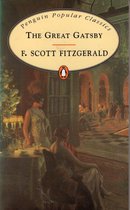
A Level English Literature: Gatsby and Love Poetry through the Ages – Knowledge Organiser
The fourteen love poems are assessed at the end of Paper One in a comparison question with The Great Gatsby. As with
the whole of Paper One, the exam question will be about love. You must include at least two poems in your answer.
Infidelity Unattainable love/barriers to love Social Class and Love
Several affairs in the novel; male Range of barriers to love in the novel, Fitzgerald’s criticism of 1920s society,
unreliability, female vulnerability, such as class, wealth and status. wealthy upper class excessive
breakdown of genuine connection, Inevitability of Gatsby’s failure to lifestyles, false optimism of the
Modernist views of relationships achieve Daisy and Myrtle achieving American Dream. Working class/self-
Tom due to their class/roots. made dreams fail, only the wealthy
• Absent from thee prosper
• Scrutiny • The Garden of Love
• Non Sum • Ae Fond Kiss • Whoso
• Absent from thee • Ruined Maid
• At an Inn
Lust/sex/seduction Love and time/enduring love Love and isolation
Desire exists for wealthy white men Gatsby’s love for Daisy becomes an Love is isolating, creates loneliness
only, women/lower class men cannot obsession over time with idea of rather than connection. Characters’
access it or achieve their desires her/her wealth/what she signifies. Past romantic relationships are isolating
affects the characters – they cannot (arguably platonic love, Nick and
• The Flea turn back time but nor can they fully Gatsby, is the exception).
• To His Coy Mistress sever themselves from their past.
• Non Sum
• Sonnet 116 • Whoso
• Remember
Destructive/painful love Idealised love Love and gender
Violent deaths of Gatsby, Myrtle and Gatsby idealises Daisy; she is a symbol Daisy – vacuous, Jordan – dishonest,
George suggest that romantic love of wealth/status. Fitzgerald’s criticism Myrtle – promiscuous. The women in
inevitably ends in destruction. of the lack of genuine connection in the text are never portrayed positively.
the 1920s. Myrtle’s death as a result of the
• Whoso patriarchal structures oppressing her.
• Ae Fond Kiss • She Walks in Beauty
• La Belle Dame • Sonnet 116 • She Walks in Beauty
• La Belle Dame
• The Ruined Maid
1
The fourteen love poems are assessed at the end of Paper One in a comparison question with The Great Gatsby. As with
the whole of Paper One, the exam question will be about love. You must include at least two poems in your answer.
Infidelity Unattainable love/barriers to love Social Class and Love
Several affairs in the novel; male Range of barriers to love in the novel, Fitzgerald’s criticism of 1920s society,
unreliability, female vulnerability, such as class, wealth and status. wealthy upper class excessive
breakdown of genuine connection, Inevitability of Gatsby’s failure to lifestyles, false optimism of the
Modernist views of relationships achieve Daisy and Myrtle achieving American Dream. Working class/self-
Tom due to their class/roots. made dreams fail, only the wealthy
• Absent from thee prosper
• Scrutiny • The Garden of Love
• Non Sum • Ae Fond Kiss • Whoso
• Absent from thee • Ruined Maid
• At an Inn
Lust/sex/seduction Love and time/enduring love Love and isolation
Desire exists for wealthy white men Gatsby’s love for Daisy becomes an Love is isolating, creates loneliness
only, women/lower class men cannot obsession over time with idea of rather than connection. Characters’
access it or achieve their desires her/her wealth/what she signifies. Past romantic relationships are isolating
affects the characters – they cannot (arguably platonic love, Nick and
• The Flea turn back time but nor can they fully Gatsby, is the exception).
• To His Coy Mistress sever themselves from their past.
• Non Sum
• Sonnet 116 • Whoso
• Remember
Destructive/painful love Idealised love Love and gender
Violent deaths of Gatsby, Myrtle and Gatsby idealises Daisy; she is a symbol Daisy – vacuous, Jordan – dishonest,
George suggest that romantic love of wealth/status. Fitzgerald’s criticism Myrtle – promiscuous. The women in
inevitably ends in destruction. of the lack of genuine connection in the text are never portrayed positively.
the 1920s. Myrtle’s death as a result of the
• Whoso patriarchal structures oppressing her.
• Ae Fond Kiss • She Walks in Beauty
• La Belle Dame • Sonnet 116 • She Walks in Beauty
• La Belle Dame
• The Ruined Maid
1