

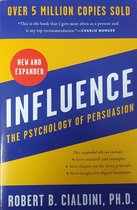
Lecture 1 Introduction & reciprocity
Introduction
Click, run (whirr)
Tendency to mechanically react to information/a situation
- Useful (?) shortcuts/heuristics
Expensive/popular = good
Any reason = valid request
…
7 principles of (social) influence
- Reciprocity
- Liking
- Unity
- Social proof
- Authority
- Scarcity
- Commitment & consistency
Learning goals
- Knowledge of mechanisms of attitude change and social influence
- To recognize and understand social influence attempts
- To devise your own influence campaign using theories and evidence
- Critical reflection on research
- Clear presentation of own ideas
Not about marketing but about (better) understanding of behavioural choices and positive
change
Understanding influence tactics (but not about “sales”)
- Causing
“mindless” responding
Compliance
“Psychological” types of influence
- Intrinsic motivation
- Organizational influence
- Costly signalling
- Unconscious influence
,Reciprocity
Reciprocity
- You do someone a favour and this favour will most likely be returned
- “To give back what another has given us”
- Strong societal norm to reciprocate
Pre-money society
- There was communal exchange, everyone provided for everyone. There was no “tit-for-tat”
- Being there for each other created a relationship
Social exchange
communal reciprocal negotiated
- How strong is the relationship?
- How soon do yo want to be reciprocated?
- Communal: if there is already a bond and people trust each other and care for each other,
they expect nothing in return
- Negotiated: there is no debt at the end of the exchange, e.g. buying groceries at the store,
paying for services
- Reciprocal: there is some kind of expectation of return but it doesn’t have to be immediate
and precise, it doesn’t have to be of equal value
Reciprocity as a tactic
- Donation to a charitable organisation
- 10.000 letters were sent out (3 options for what to get in return):
No gift
1 hand drawn postcard
4 hand drawn postcards
- People donated more if they got more in return
Devilish side of a gift
- You can choose yourself what you give and you can decide yourself what you want in return
by asking for it abusing reciprocity
,Reciprocity as tactic
- Percentage of investment bankers who donate a day’s salary to charity (n= 6175)
5% control
7% celebrity
11% sweets
12% personal email
17% sweets + personal email
- If the gift in return was increased, the amount of people who donated also increased
- People were more likely to donate if they got sweets vs. no sweets but if they get sweets
multiple times it loses its value
Overcoming preference
- Experiment evaluating art
- 2 conditions
Were offered a drink
Were not offered a drink
- Afterwards asked if they wanted to buy raffle tickets
- More people would buy raffle tickets if they were offered a drink
- If the person is initially disliked than the increase is higher after offered a drink than if the
person was already liked
- If you are friends with the person selling tickets, people buy the same amount of tickets
whether they get a gift or not in return. For strangers, the gift increased the amount of
tickets.
Gift vs. reward
- With a reward you only give something if they first provided a favour. You can still decline, so
it’s less powerful
- With a gift, you get it regardless if you provide a favour.
- It’s stronger if you first give something and then ask for a favour than if you ask for a favour
and will give them a reward if they do it.
- A gift can create a relationship on which you can rely later and that way you can build
influence
- A gift has much more effect than just offering a reward
The nature of the gift
- People worked harder if they got a gift next to money than if they received more money for
the work. It showed appreciation. It really matters if people see it as a gift or as a
compensation for their work.
- If you ask people beforehand what they want, they say more money but the gift had a bigger
impact on work efficiency
, Explanations
- Negative effect:
Obligations / indebtness
Social pressure / fear of rejection
- Positive effect:
Gratitude
Liking
Social pressure
- People are more likely to buy raffle tickets when it was public who bought tickets than if it
was anonymous people are nicer if they can be checked
- The difference between “favour” and “no favour” was the same between the condition
public and private. Social pressure had no influence on the effect of a gift.
There is no such thing as a free wine tasting
- People are spending much more money on buying wines in free wine tastings. You can taste
wines for free and want to return the favour, so you will buy more wine afterwards.
- Don’t ask entrance fees
- People feel more gratitude in a free wine tasting and they also feel a bigger obligation to buy
wine afterwards.
Obligation and gratitude
- Obligation
Goal to restore equity
- Gratitude
Goal to build a relationship
Introduction
Click, run (whirr)
Tendency to mechanically react to information/a situation
- Useful (?) shortcuts/heuristics
Expensive/popular = good
Any reason = valid request
…
7 principles of (social) influence
- Reciprocity
- Liking
- Unity
- Social proof
- Authority
- Scarcity
- Commitment & consistency
Learning goals
- Knowledge of mechanisms of attitude change and social influence
- To recognize and understand social influence attempts
- To devise your own influence campaign using theories and evidence
- Critical reflection on research
- Clear presentation of own ideas
Not about marketing but about (better) understanding of behavioural choices and positive
change
Understanding influence tactics (but not about “sales”)
- Causing
“mindless” responding
Compliance
“Psychological” types of influence
- Intrinsic motivation
- Organizational influence
- Costly signalling
- Unconscious influence
,Reciprocity
Reciprocity
- You do someone a favour and this favour will most likely be returned
- “To give back what another has given us”
- Strong societal norm to reciprocate
Pre-money society
- There was communal exchange, everyone provided for everyone. There was no “tit-for-tat”
- Being there for each other created a relationship
Social exchange
communal reciprocal negotiated
- How strong is the relationship?
- How soon do yo want to be reciprocated?
- Communal: if there is already a bond and people trust each other and care for each other,
they expect nothing in return
- Negotiated: there is no debt at the end of the exchange, e.g. buying groceries at the store,
paying for services
- Reciprocal: there is some kind of expectation of return but it doesn’t have to be immediate
and precise, it doesn’t have to be of equal value
Reciprocity as a tactic
- Donation to a charitable organisation
- 10.000 letters were sent out (3 options for what to get in return):
No gift
1 hand drawn postcard
4 hand drawn postcards
- People donated more if they got more in return
Devilish side of a gift
- You can choose yourself what you give and you can decide yourself what you want in return
by asking for it abusing reciprocity
,Reciprocity as tactic
- Percentage of investment bankers who donate a day’s salary to charity (n= 6175)
5% control
7% celebrity
11% sweets
12% personal email
17% sweets + personal email
- If the gift in return was increased, the amount of people who donated also increased
- People were more likely to donate if they got sweets vs. no sweets but if they get sweets
multiple times it loses its value
Overcoming preference
- Experiment evaluating art
- 2 conditions
Were offered a drink
Were not offered a drink
- Afterwards asked if they wanted to buy raffle tickets
- More people would buy raffle tickets if they were offered a drink
- If the person is initially disliked than the increase is higher after offered a drink than if the
person was already liked
- If you are friends with the person selling tickets, people buy the same amount of tickets
whether they get a gift or not in return. For strangers, the gift increased the amount of
tickets.
Gift vs. reward
- With a reward you only give something if they first provided a favour. You can still decline, so
it’s less powerful
- With a gift, you get it regardless if you provide a favour.
- It’s stronger if you first give something and then ask for a favour than if you ask for a favour
and will give them a reward if they do it.
- A gift can create a relationship on which you can rely later and that way you can build
influence
- A gift has much more effect than just offering a reward
The nature of the gift
- People worked harder if they got a gift next to money than if they received more money for
the work. It showed appreciation. It really matters if people see it as a gift or as a
compensation for their work.
- If you ask people beforehand what they want, they say more money but the gift had a bigger
impact on work efficiency
, Explanations
- Negative effect:
Obligations / indebtness
Social pressure / fear of rejection
- Positive effect:
Gratitude
Liking
Social pressure
- People are more likely to buy raffle tickets when it was public who bought tickets than if it
was anonymous people are nicer if they can be checked
- The difference between “favour” and “no favour” was the same between the condition
public and private. Social pressure had no influence on the effect of a gift.
There is no such thing as a free wine tasting
- People are spending much more money on buying wines in free wine tastings. You can taste
wines for free and want to return the favour, so you will buy more wine afterwards.
- Don’t ask entrance fees
- People feel more gratitude in a free wine tasting and they also feel a bigger obligation to buy
wine afterwards.
Obligation and gratitude
- Obligation
Goal to restore equity
- Gratitude
Goal to build a relationship

