1
‘The past is never dead. It’s not even past’ (William Faulkner). Taking this statement as your starting-
point, discuss how this applies to Toni Morrison’s novels, Beloved and Jazz.
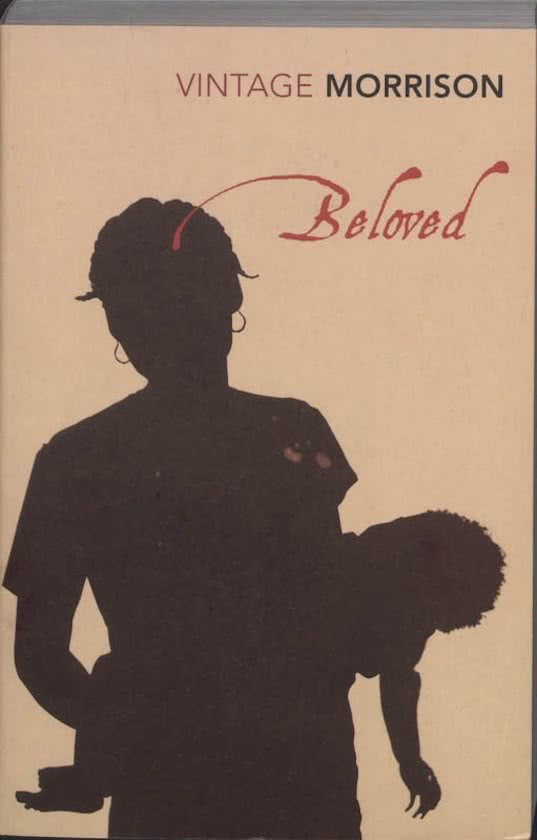
Toni Morrison’s fiction is preoccupied with the persistence of the past. Indeed, in Beloved (1987) and
Jazz (1992) the past continually resurfaces in the present. In Beloved, for example, Sethe is haunted
by her past in the form of her departed daughter. Whereas in Jazz, the past is tragically repeated in
the lives of Joe and Violet Trace. In both texts, Morrison’s characters must confront their past in order
to move on. Accordingly, their experiences demonstrate Morrison’s ‘concern to bear witness to the
forgotten or erased past of African Americans.’ 1
Morrison’s texts consider how traumatic past experiences can haunt the present. The
characters in Beloved are trapped between a desire to forget and at the same time remember their
troubling pasts. For Sethe ‘the future was a matter of keeping the past at bay.’ 2 However, Sethe’s
memories uncontrollably resurface in the present. Hurrying to a water pump to rinse chamomile sap
from her legs, Sethe’s mind strays to thoughts of her past: ‘suddenly there was Sweet Home rolling,
rolling, rolling out before her eyes’ (B, p.7). Although memories of Sweet Home make Sethe ‘want to
scream’ (B, p.6), this scene rolled out before her ‘in shameless beauty’ (B, p.6). Sethe’s memory,
therefore, selectively represses the haunting elements of her past. This incident also demonstrates
how past experiences can erupt spontaneously in the present. For Sethe the past is never completely
behind the present on account of our ‘rememory’ (B, p.36), a “thought picture” (B, p.37) that is waiting
to be reencountered. Sethe believes that “even though it’s all over- over and done with- it’s going to
always be there waiting for you” (B, p.37). Sethe battles to suppress the memories of her past, yet her
rememories, as Keenan identifies, have ‘an inexhaustible and monstrous power to erupt and
overwhelm the mind.’3 Beloved, therefore, explores the propensity of the past to usurp the present, in
the form of haunting memories and rememories.
Furthermore, Morrison argues that traumatic memories must not be repressed, but must be
confronted in the present as part of the process of recovery. In Beloved, Morrison’s characters embark
on an inward journey of confronting their painful memories. Paul D’s arrival at Sethe’s home ‘initiates
the painful plunge into the past.’4 Before this, the ‘chokecherry tree’ (B, p.16) on Sethe’s back,
symbolising the roots of her sorrow, had been numb for many years. In the presence of Paul D,
however, Sethe begins to ‘feel the hurt her back ought to’ (B, p.18). Similarly, Paul D’s past
experiences have been locked away ‘one by one, into the tobacco tin lodged in his chest’ (B, p.113).
This tin begins to open when he enters 124 Bluestone Road. Arguably, the embodied figure of
, 2
Beloved represents the past that Sethe and Paul D must confront. When Beloved materialises, Sethe
begins to articulate her ‘unspeakable’ (B, p.59.) past. Similarly, Paul D’s encounter with Beloved
symbolises his confrontation with the past. When Beloved asks Paul D to touch her ‘on the inside part’
(B, p.117), ‘flakes of rust’ (B, p.117) began to fall away from ‘the seams of his tobacco tin’ (B, p.117).
This encounter allows Paul D ‘to re-experience memories and process them anew.’ 5 By confronting
their painful memories, Sethe and Paul D stop the past from appropriating the present, and are
consequently able to move forward.
Indeed, further evidence suggests that Morrison’s emphasis on confronting the past is
connected to the wider need for African American’s to re-remember their enslaved history. As Keenan
argues, Beloved represents ‘all the dead victims of slavery, reaching out to the living, demanding to be
remembered.’6 In Beloved’s monologue, for example, Morrison is seemingly describing the experience
of the Middle Passage. Beloved is seen ‘crouching’ (B, p.211), surrounded by corpses, and subjugated
by ‘men without skin’ (B, p.211). In this passage, Beloved is shown to represent the ghostly presence
of slavery. Furthermore, this presence must be exorcised by the whole community if they are to move
forward. However, the narrator comments that this ‘is not a story to pass on’ (B, p.275), reiterating the
importance of keeping the past alive. In Beloved, Morrison bears witness to what was omitted from
slave narratives: the experience of the Middle Passage, the inner life of the slaves, and particularly the
experience of slave mothers. Transforming the history of Margaret Garner into a fictional form,
Morrison provides an explanation for how a slave mother could resort to infanticide in an attempt to
protect her children from the horrors of slavery. As Keenan similarly argues, Beloved responds to ‘a
silencing that has repressed memory of the exploitation and oppression experienced during the time of
slavery.’7 Consequently, Morrison provides a supplement to history by re-remembering the past and
emphasising its importance in the present.
In Jazz, Morrison explores how the past cannot be escaped even in the emancipated present.
In 1906, Joe and Violet Trace migrate to the north, becoming part of the steady stream of ‘black
people running from want and violence’ (J, p.33). For the narrator, Harlem in 1926 embodies the
future: ‘History is over, you all, and everything’s ahead at last’ (J, p.7). Like most African American
migrants, Joe and Violet were consciously leaving their past behind. They ‘were country people’, but
‘how soon country people forget’ (J, p.33). In a similar way to Beloved, however, Jazz demonstrates
that the past is not easily forgotten. Both Violet and Joe bring their troubled and unresolved pasts to
‘The past is never dead. It’s not even past’ (William Faulkner). Taking this statement as your starting-
point, discuss how this applies to Toni Morrison’s novels, Beloved and Jazz.
Toni Morrison’s fiction is preoccupied with the persistence of the past. Indeed, in Beloved (1987) and
Jazz (1992) the past continually resurfaces in the present. In Beloved, for example, Sethe is haunted
by her past in the form of her departed daughter. Whereas in Jazz, the past is tragically repeated in
the lives of Joe and Violet Trace. In both texts, Morrison’s characters must confront their past in order
to move on. Accordingly, their experiences demonstrate Morrison’s ‘concern to bear witness to the
forgotten or erased past of African Americans.’ 1
Morrison’s texts consider how traumatic past experiences can haunt the present. The
characters in Beloved are trapped between a desire to forget and at the same time remember their
troubling pasts. For Sethe ‘the future was a matter of keeping the past at bay.’ 2 However, Sethe’s
memories uncontrollably resurface in the present. Hurrying to a water pump to rinse chamomile sap
from her legs, Sethe’s mind strays to thoughts of her past: ‘suddenly there was Sweet Home rolling,
rolling, rolling out before her eyes’ (B, p.7). Although memories of Sweet Home make Sethe ‘want to
scream’ (B, p.6), this scene rolled out before her ‘in shameless beauty’ (B, p.6). Sethe’s memory,
therefore, selectively represses the haunting elements of her past. This incident also demonstrates
how past experiences can erupt spontaneously in the present. For Sethe the past is never completely
behind the present on account of our ‘rememory’ (B, p.36), a “thought picture” (B, p.37) that is waiting
to be reencountered. Sethe believes that “even though it’s all over- over and done with- it’s going to
always be there waiting for you” (B, p.37). Sethe battles to suppress the memories of her past, yet her
rememories, as Keenan identifies, have ‘an inexhaustible and monstrous power to erupt and
overwhelm the mind.’3 Beloved, therefore, explores the propensity of the past to usurp the present, in
the form of haunting memories and rememories.
Furthermore, Morrison argues that traumatic memories must not be repressed, but must be
confronted in the present as part of the process of recovery. In Beloved, Morrison’s characters embark
on an inward journey of confronting their painful memories. Paul D’s arrival at Sethe’s home ‘initiates
the painful plunge into the past.’4 Before this, the ‘chokecherry tree’ (B, p.16) on Sethe’s back,
symbolising the roots of her sorrow, had been numb for many years. In the presence of Paul D,
however, Sethe begins to ‘feel the hurt her back ought to’ (B, p.18). Similarly, Paul D’s past
experiences have been locked away ‘one by one, into the tobacco tin lodged in his chest’ (B, p.113).
This tin begins to open when he enters 124 Bluestone Road. Arguably, the embodied figure of
, 2
Beloved represents the past that Sethe and Paul D must confront. When Beloved materialises, Sethe
begins to articulate her ‘unspeakable’ (B, p.59.) past. Similarly, Paul D’s encounter with Beloved
symbolises his confrontation with the past. When Beloved asks Paul D to touch her ‘on the inside part’
(B, p.117), ‘flakes of rust’ (B, p.117) began to fall away from ‘the seams of his tobacco tin’ (B, p.117).
This encounter allows Paul D ‘to re-experience memories and process them anew.’ 5 By confronting
their painful memories, Sethe and Paul D stop the past from appropriating the present, and are
consequently able to move forward.
Indeed, further evidence suggests that Morrison’s emphasis on confronting the past is
connected to the wider need for African American’s to re-remember their enslaved history. As Keenan
argues, Beloved represents ‘all the dead victims of slavery, reaching out to the living, demanding to be
remembered.’6 In Beloved’s monologue, for example, Morrison is seemingly describing the experience
of the Middle Passage. Beloved is seen ‘crouching’ (B, p.211), surrounded by corpses, and subjugated
by ‘men without skin’ (B, p.211). In this passage, Beloved is shown to represent the ghostly presence
of slavery. Furthermore, this presence must be exorcised by the whole community if they are to move
forward. However, the narrator comments that this ‘is not a story to pass on’ (B, p.275), reiterating the
importance of keeping the past alive. In Beloved, Morrison bears witness to what was omitted from
slave narratives: the experience of the Middle Passage, the inner life of the slaves, and particularly the
experience of slave mothers. Transforming the history of Margaret Garner into a fictional form,
Morrison provides an explanation for how a slave mother could resort to infanticide in an attempt to
protect her children from the horrors of slavery. As Keenan similarly argues, Beloved responds to ‘a
silencing that has repressed memory of the exploitation and oppression experienced during the time of
slavery.’7 Consequently, Morrison provides a supplement to history by re-remembering the past and
emphasising its importance in the present.
In Jazz, Morrison explores how the past cannot be escaped even in the emancipated present.
In 1906, Joe and Violet Trace migrate to the north, becoming part of the steady stream of ‘black
people running from want and violence’ (J, p.33). For the narrator, Harlem in 1926 embodies the
future: ‘History is over, you all, and everything’s ahead at last’ (J, p.7). Like most African American
migrants, Joe and Violet were consciously leaving their past behind. They ‘were country people’, but
‘how soon country people forget’ (J, p.33). In a similar way to Beloved, however, Jazz demonstrates
that the past is not easily forgotten. Both Violet and Joe bring their troubled and unresolved pasts to