

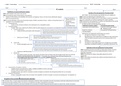
PHASE 1 – Factual analysis PHASE 2 – Benchmarking
Step 2 Step 1
Step 3
TP analysis Step 4
Identification of commercial/financial relations
Selection of the most appropriate TP pricing method
STEP 1: determination of the years to be covered
STEP 2: broad-based analysis of the taxpayer’s circumstances - After PHASE 1, the benchmarking study identifies the arm’s length price
Analysis of (i) the industry, (ii) competition, (iii) economic and regulatory factors, (iv) other factors affecting the taxpayer STEP 4: review of existing internal comparables if any
(NOT at transactional level) Step 3 is relevant to: STEP 5: determining the available sources of information on external comparables
-Identify tested party when such comparables are needed considering their relative reliability
STEP 3: accurate delineation of the actual transaction (analysis of MNE’s ownership structure + relation at transactional level)
(if necessary) STEP 6: selecting the most appropriate TP method, and (depending on the method
Application of 5 comparability factors
-Identify TP method determining the relevant financial indicator)
1. Contractual terms
-Identify - The OECD provides the following pricing methods:
- Analysis of the contractual relations is the starting point of a comparability analysis
comparability factors Traditional transaction method Transactional profit method
2. Functional analysis
Comparable Uncontrolled Method Transactional Net Margin Method
- Consider ‘wider value creation by the MNE to which the parties belong, the circumstances surrounding the transaction, and industry practices’.
Reference to PLI!
A. Functions performed
R&D; Product design and engineering , Procurement, Manufacturing, production and process engineering, Resale Price Method Transactional Profit Split Method
Analyse functions performed by both (all) parties product fabrication, extraction and assembly, purchasing and materials management, Marketing and
Cost Plus Method
distribution functions (including inventory management, warranty administration and advertising
activities), Transportation and warehousing Sales, Logistics, Managerial, legal, accounting, finance ecc - Selecting the most appropriate method takes into account:
(i) Strengths and weaknesses of each method
1. R&D (i) fully-fledged researcher; (ii) Contract R&D
2. Manufacturing (i) Fully-fledged manufacturer; (ii) Licensed; (iii) Contract; Toll (ii) Appropriateness of the method that is considered in view of the nature
Reference to TP models 3. Distribution Fully-fledged distributor; (ii) Buy/Sell; (iii) Commissionaires of the controlled transaction based on the functional profile of the
4. Centralised Entrepreneur model entrepreneur performs the most important functions parties
Tangibles include: (i) Land & Buildings. (ii) Plant & Machinery; (iii) R&D Equipment; (iv) Office Equipment; (v) 5. Furniture and (iii) Availability of reliable information
B. Assets used fixtures; (vi) Vehicles; (vii) Computers; (viii) Testing equipment (iv) The degree of comparability between he controlled and uncontrolled
Identify (In)tangible assets used transactions including the reliability of comparability adjustments that
Intangibles include: (i) Patents; (ii) Know-How & Trade Secrets; (iii) Trademarks, Brands; (iv) Rights under contracts and
government licenses; (v) licenses and similar limited rights in intangibles; (vi) goodwill & ongoing concern; (vii) group synergies
Application of the most appropriate TP pricing method
Full (Economic) ownership is granted only when the party performs ALL the: (i) development; (ii) enhancement; (iii)
Maintenance; (iv) Protection; (v) Exploitation functions [Funding and Bearing risks is also relevant here] STEP 7: identifying potential comparables including determination of the key
Lack of one or more of these criteria is likely to preclude a full entitlement to the return attributable to the intangible!!
Reference to DEMPE functions characteristics to be met by any uncontrolled transaction in order to be
C. Risks borne potentially comparable
Risks follow functions and assets. They include: (i) Financial risks; (ii) Product risks; (iii) Strategic/market risks; (iv) Credit and STEP 8: determining and making comparability adjustments (where
collection risks; Reputational risks; (v) Hazard risks; (vi) Inventory risks; (vii) Hazard risks; (viii) General business risks appropriate)
Stepidentifying
After 1: identify economically significant
risks, they mustrisksbe
withallocated.
specificity Here, a 6-steps
A. analysis
Control overisrisk
performed. STEP 9: interpreting and using the data collected and determining the arm’s
Step 2: identify contractual assumption of risks (i) Capability to make decision to assume, discontinue or decline a risk bearing length remuneration
Step 3: perform functional analysis in relation to risk opportunity together with the actual performance of that decision-making function
Step 4: interpret steps 1-3 (ii) capability to make decisions on whether and how to respond to the risk-bearing
Step 5: allocate risks opportunity together with the actual performance of that decision-making function
Step 6: price transaction, in light of the risk allocation
B. Financial capacity to assume such risk
- Ability to access funding options, liquidation, and ability to bear the costs
of mitigation of risks and to bear the consequence of risk materialisation
3. Characteristics of property or services
- Tangible property: physical features, quality, reliability/availability of volume and supply
- Services: nature and extent of such services
- Intangible property: type and form of property, duration and degree of protection and anticipated benefits from use of property
4. Economic circumstances
- Includes: (i) geographic location; (ii) size of market; (iii) competition; (iv) levels of supply; (v) consumer purchasing power; (vi) regulation ecc
5. Business strategies
Recognition of the accurately delineated transaction undertaken
After the above Step I, it must be determined whether independent enterprises under comparable economic circumstances would and could perform the accurately
delineated transaction identified (if this is not the case, tax authorities can adjust or disregard the transaction)
Here, the key question is about the commercial rationality of the transaction (ie whether independent parties would have entered into a similar transaction)
Step 2 Step 1
Step 3
TP analysis Step 4
Identification of commercial/financial relations
Selection of the most appropriate TP pricing method
STEP 1: determination of the years to be covered
STEP 2: broad-based analysis of the taxpayer’s circumstances - After PHASE 1, the benchmarking study identifies the arm’s length price
Analysis of (i) the industry, (ii) competition, (iii) economic and regulatory factors, (iv) other factors affecting the taxpayer STEP 4: review of existing internal comparables if any
(NOT at transactional level) Step 3 is relevant to: STEP 5: determining the available sources of information on external comparables
-Identify tested party when such comparables are needed considering their relative reliability
STEP 3: accurate delineation of the actual transaction (analysis of MNE’s ownership structure + relation at transactional level)
(if necessary) STEP 6: selecting the most appropriate TP method, and (depending on the method
Application of 5 comparability factors
-Identify TP method determining the relevant financial indicator)
1. Contractual terms
-Identify - The OECD provides the following pricing methods:
- Analysis of the contractual relations is the starting point of a comparability analysis
comparability factors Traditional transaction method Transactional profit method
2. Functional analysis
Comparable Uncontrolled Method Transactional Net Margin Method
- Consider ‘wider value creation by the MNE to which the parties belong, the circumstances surrounding the transaction, and industry practices’.
Reference to PLI!
A. Functions performed
R&D; Product design and engineering , Procurement, Manufacturing, production and process engineering, Resale Price Method Transactional Profit Split Method
Analyse functions performed by both (all) parties product fabrication, extraction and assembly, purchasing and materials management, Marketing and
Cost Plus Method
distribution functions (including inventory management, warranty administration and advertising
activities), Transportation and warehousing Sales, Logistics, Managerial, legal, accounting, finance ecc - Selecting the most appropriate method takes into account:
(i) Strengths and weaknesses of each method
1. R&D (i) fully-fledged researcher; (ii) Contract R&D
2. Manufacturing (i) Fully-fledged manufacturer; (ii) Licensed; (iii) Contract; Toll (ii) Appropriateness of the method that is considered in view of the nature
Reference to TP models 3. Distribution Fully-fledged distributor; (ii) Buy/Sell; (iii) Commissionaires of the controlled transaction based on the functional profile of the
4. Centralised Entrepreneur model entrepreneur performs the most important functions parties
Tangibles include: (i) Land & Buildings. (ii) Plant & Machinery; (iii) R&D Equipment; (iv) Office Equipment; (v) 5. Furniture and (iii) Availability of reliable information
B. Assets used fixtures; (vi) Vehicles; (vii) Computers; (viii) Testing equipment (iv) The degree of comparability between he controlled and uncontrolled
Identify (In)tangible assets used transactions including the reliability of comparability adjustments that
Intangibles include: (i) Patents; (ii) Know-How & Trade Secrets; (iii) Trademarks, Brands; (iv) Rights under contracts and
government licenses; (v) licenses and similar limited rights in intangibles; (vi) goodwill & ongoing concern; (vii) group synergies
Application of the most appropriate TP pricing method
Full (Economic) ownership is granted only when the party performs ALL the: (i) development; (ii) enhancement; (iii)
Maintenance; (iv) Protection; (v) Exploitation functions [Funding and Bearing risks is also relevant here] STEP 7: identifying potential comparables including determination of the key
Lack of one or more of these criteria is likely to preclude a full entitlement to the return attributable to the intangible!!
Reference to DEMPE functions characteristics to be met by any uncontrolled transaction in order to be
C. Risks borne potentially comparable
Risks follow functions and assets. They include: (i) Financial risks; (ii) Product risks; (iii) Strategic/market risks; (iv) Credit and STEP 8: determining and making comparability adjustments (where
collection risks; Reputational risks; (v) Hazard risks; (vi) Inventory risks; (vii) Hazard risks; (viii) General business risks appropriate)
Stepidentifying
After 1: identify economically significant
risks, they mustrisksbe
withallocated.
specificity Here, a 6-steps
A. analysis
Control overisrisk
performed. STEP 9: interpreting and using the data collected and determining the arm’s
Step 2: identify contractual assumption of risks (i) Capability to make decision to assume, discontinue or decline a risk bearing length remuneration
Step 3: perform functional analysis in relation to risk opportunity together with the actual performance of that decision-making function
Step 4: interpret steps 1-3 (ii) capability to make decisions on whether and how to respond to the risk-bearing
Step 5: allocate risks opportunity together with the actual performance of that decision-making function
Step 6: price transaction, in light of the risk allocation
B. Financial capacity to assume such risk
- Ability to access funding options, liquidation, and ability to bear the costs
of mitigation of risks and to bear the consequence of risk materialisation
3. Characteristics of property or services
- Tangible property: physical features, quality, reliability/availability of volume and supply
- Services: nature and extent of such services
- Intangible property: type and form of property, duration and degree of protection and anticipated benefits from use of property
4. Economic circumstances
- Includes: (i) geographic location; (ii) size of market; (iii) competition; (iv) levels of supply; (v) consumer purchasing power; (vi) regulation ecc
5. Business strategies
Recognition of the accurately delineated transaction undertaken
After the above Step I, it must be determined whether independent enterprises under comparable economic circumstances would and could perform the accurately
delineated transaction identified (if this is not the case, tax authorities can adjust or disregard the transaction)
Here, the key question is about the commercial rationality of the transaction (ie whether independent parties would have entered into a similar transaction)


