minProblem 1: Eating Disorders
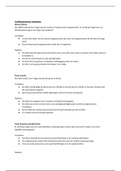
Lecture 1
➔ CBT-E (cognitive behavioral therapy-enhanced)
◆ Stage 1
● sessions 1-7
● intensive with appointments twice a week
● the therapist and patient collaborate to set up the formulation of the
underlying maintaining factors to use as a base for the rest of the
treatment
● aims to motivate & engage the patient in treatment
◆ Stage 2
● sessions 8-9
● weekly appointments
● brief stage where the therapist and stage evlaute progress, identify
barriers to change, modify the formulation and plan stage 3.
● this is important to identify problems with the therapy & adjust
treatment as needed
● after this stage, treatment will become more personalized
◆ Stage 3
● sessions 10-17
● main body of treatment
● weekly appointments
● aim is to address main maintaining mechanisms of the ED
● very personal
● the overvaluation of weight and shape is one of the frequent mechanisms
that are addressed
, 1
◆ Stage 4
● sessions 18-20
● appointments with 2-week intervals
● focus shifts to the future
● first aim is to ensure that the changes are maintained over the
subsequent 5 months when a review appointment is scheduled
● second aim is to minimize the risk of relapse in the long term
● a personalized maintenance plan is made
◆ review session
● after 20 weeks
● progress update
Eating Disorders in Children and Adolescents: State of the Art Review by Campbell & Peebles
➔ prevalence
◆ 10-25% boys
◆ pediatric patients have a higher prevalence of boys compared to adults
◆ Anorexia nervosa (AN)
● prevalence 0.5-2 %
● peak age of onset 13-18 years
● highest mortality rate of any psychiatric illness— 5-6%
◆ Bulimia nervosa (BN)
● prevalence 0.9-3 %
● older age of onset 16-17 years
● mortality rate around 2%
● suicide rate much higher
◆ EDNOS
● mostly subthreshold AN or BN
● prevalence 4.8%
● medical complication are similar to AN and BN
➔ risk factors
, 2
◆ dieting
◆ G x E interaction
◆ high heritability (estimates between 30-80%)
➔ adolescence is the most vulnerable age
◆ weight loss, unexplained growth stunting or pubertal delay, restrictive or
abnormal eating behaviors, recurrent vomiting, excessive exercise, trouble
gaining weight, or body image concerns— EDs should be suspected
◆ boys and overweight adolescents are at risk for delayed diagnosis
➔ younger patients— atypical presentations
◆ may fail to meet the expected weight/height gains
◆ might not endorse body image concerns
➔ AN Symptoms
◆ dramatic weight loss/ poor growth
◆ preoccupation with food and weight
◆ restriction of entire food groups or calories
◆ development of food rituals
◆ refusal to eat with family and friends
◆ refusal to eat foods they once liked
◆ over exercise
, 3
◆ fear of weight gain
◆ not reaching pubertal milestones such as linear growth or menstrual cycles
◆ body image distortion
◆ Amenorrhea as a criterion is removed from DSM-5 bc it excludes large groups of
patients
➔ BN Symptoms
◆ episodes of binge eating + compensatory behaviors at least once per week for 3
months
◆ any weight is possible
◆ frequent weight fluctuations
◆ mood swings
◆ increased time in the bathroom after meals, hiding food
◆ periods of fasting or excessive exercise
◆ marked distress & secretive regarding binge eating
➔ BED
◆ binges aren't followed by compensatory behaviors
◆ marked distress & secretive regarding binge eating
➔ Other specified feeding and eating disorders
◆ atypical AN (normal-weight AN)
◆ subthreshold BN
◆ purging disorder
◆ night eating syndrome
➔ Complications:
◆ cardiovascular and gastrointestinal complications
◆ electrolyte imbalances due to vomiting, laxative or diuretic abuse
◆ Patients with malnutrition are at risk for refeeding syndrome during treatment
◆ hormonal imbalances
◆ kidney problems
◆ anemia & vitamin deficiencies
◆ cognitive & neurological deficits
➔ psychiatric comorbidities
◆ may be premorbid, comorbid, or present after recovery
◆ commonly depression, anxiety, obsessive-compulsive disorder, post-
Lecture 1
➔ CBT-E (cognitive behavioral therapy-enhanced)
◆ Stage 1
● sessions 1-7
● intensive with appointments twice a week
● the therapist and patient collaborate to set up the formulation of the
underlying maintaining factors to use as a base for the rest of the
treatment
● aims to motivate & engage the patient in treatment
◆ Stage 2
● sessions 8-9
● weekly appointments
● brief stage where the therapist and stage evlaute progress, identify
barriers to change, modify the formulation and plan stage 3.
● this is important to identify problems with the therapy & adjust
treatment as needed
● after this stage, treatment will become more personalized
◆ Stage 3
● sessions 10-17
● main body of treatment
● weekly appointments
● aim is to address main maintaining mechanisms of the ED
● very personal
● the overvaluation of weight and shape is one of the frequent mechanisms
that are addressed
, 1
◆ Stage 4
● sessions 18-20
● appointments with 2-week intervals
● focus shifts to the future
● first aim is to ensure that the changes are maintained over the
subsequent 5 months when a review appointment is scheduled
● second aim is to minimize the risk of relapse in the long term
● a personalized maintenance plan is made
◆ review session
● after 20 weeks
● progress update
Eating Disorders in Children and Adolescents: State of the Art Review by Campbell & Peebles
➔ prevalence
◆ 10-25% boys
◆ pediatric patients have a higher prevalence of boys compared to adults
◆ Anorexia nervosa (AN)
● prevalence 0.5-2 %
● peak age of onset 13-18 years
● highest mortality rate of any psychiatric illness— 5-6%
◆ Bulimia nervosa (BN)
● prevalence 0.9-3 %
● older age of onset 16-17 years
● mortality rate around 2%
● suicide rate much higher
◆ EDNOS
● mostly subthreshold AN or BN
● prevalence 4.8%
● medical complication are similar to AN and BN
➔ risk factors
, 2
◆ dieting
◆ G x E interaction
◆ high heritability (estimates between 30-80%)
➔ adolescence is the most vulnerable age
◆ weight loss, unexplained growth stunting or pubertal delay, restrictive or
abnormal eating behaviors, recurrent vomiting, excessive exercise, trouble
gaining weight, or body image concerns— EDs should be suspected
◆ boys and overweight adolescents are at risk for delayed diagnosis
➔ younger patients— atypical presentations
◆ may fail to meet the expected weight/height gains
◆ might not endorse body image concerns
➔ AN Symptoms
◆ dramatic weight loss/ poor growth
◆ preoccupation with food and weight
◆ restriction of entire food groups or calories
◆ development of food rituals
◆ refusal to eat with family and friends
◆ refusal to eat foods they once liked
◆ over exercise
, 3
◆ fear of weight gain
◆ not reaching pubertal milestones such as linear growth or menstrual cycles
◆ body image distortion
◆ Amenorrhea as a criterion is removed from DSM-5 bc it excludes large groups of
patients
➔ BN Symptoms
◆ episodes of binge eating + compensatory behaviors at least once per week for 3
months
◆ any weight is possible
◆ frequent weight fluctuations
◆ mood swings
◆ increased time in the bathroom after meals, hiding food
◆ periods of fasting or excessive exercise
◆ marked distress & secretive regarding binge eating
➔ BED
◆ binges aren't followed by compensatory behaviors
◆ marked distress & secretive regarding binge eating
➔ Other specified feeding and eating disorders
◆ atypical AN (normal-weight AN)
◆ subthreshold BN
◆ purging disorder
◆ night eating syndrome
➔ Complications:
◆ cardiovascular and gastrointestinal complications
◆ electrolyte imbalances due to vomiting, laxative or diuretic abuse
◆ Patients with malnutrition are at risk for refeeding syndrome during treatment
◆ hormonal imbalances
◆ kidney problems
◆ anemia & vitamin deficiencies
◆ cognitive & neurological deficits
➔ psychiatric comorbidities
◆ may be premorbid, comorbid, or present after recovery
◆ commonly depression, anxiety, obsessive-compulsive disorder, post-