
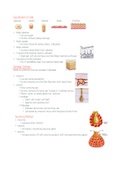
Classification of Cells:
Squamous. Cuboidal. Columnar Simple. Stratified
• Simple squamous
◦Thin/permeable
◦Filtration/diffusion (kidney and lungs)
• Simple cuboidal
◦Secretion/absorption (kidney tubules, small glands)
• Simple columnar.
◦Secretion/absorption(GI tract), polarized
• Pseudostratified (ciliated) columnar epithelium
◦Single layer with cilia and mucus secretion (lining respiratory pathways)
• Transitional stratified epithelium
◦Mix of cuboidal(basal layer) and squamous (apical layer)
Glandular Epithelia :
Glands are endocrine/exocrine/unicellular/multicellular
• endocrine
◦Lose duct during development
◦Secrete hormones into interstitial fluid which enter bloodstream
• exocrine. .
◦Retain connecting duct
◦Secretes hormone into lumen; duct transports to epithelial surface
◦Mucous, sweat, oil, salivary glands, liver, pancreas
◦Unicellular
‣ Goblet cells (swollen with fluid)
‣ Digestive and respirating tract
◦Multicellular
‣ Epithelium-derived duct and secretory cells
‣ Surrounded by connective tissue which bring blood vessels/heres
Secretory Method
• merocrine
◦exocytosis (most common)
• holocrine
◦Cell rupture; oil producing sebaceous glands
• apocrine
◦Cell apex pinches off with secretory products itself and repairs(mammary glands)
Squamous. Cuboidal. Columnar Simple. Stratified
• Simple squamous
◦Thin/permeable
◦Filtration/diffusion (kidney and lungs)
• Simple cuboidal
◦Secretion/absorption (kidney tubules, small glands)
• Simple columnar.
◦Secretion/absorption(GI tract), polarized
• Pseudostratified (ciliated) columnar epithelium
◦Single layer with cilia and mucus secretion (lining respiratory pathways)
• Transitional stratified epithelium
◦Mix of cuboidal(basal layer) and squamous (apical layer)
Glandular Epithelia :
Glands are endocrine/exocrine/unicellular/multicellular
• endocrine
◦Lose duct during development
◦Secrete hormones into interstitial fluid which enter bloodstream
• exocrine. .
◦Retain connecting duct
◦Secretes hormone into lumen; duct transports to epithelial surface
◦Mucous, sweat, oil, salivary glands, liver, pancreas
◦Unicellular
‣ Goblet cells (swollen with fluid)
‣ Digestive and respirating tract
◦Multicellular
‣ Epithelium-derived duct and secretory cells
‣ Surrounded by connective tissue which bring blood vessels/heres
Secretory Method
• merocrine
◦exocytosis (most common)
• holocrine
◦Cell rupture; oil producing sebaceous glands
• apocrine
◦Cell apex pinches off with secretory products itself and repairs(mammary glands)


