, IMPALA HIGH SCHOOL
Ekurhuleni North
Subject Computer Studies Type of task Basic information system
Assessment compiler Mr. G Botha Moderator Mr. R Raseale
Date of assessment Learner mark
Name and surname: 5X20=100
_________________________ Parent/guardian
Grade: 10/ ___ signature
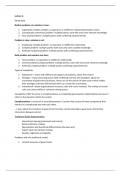
Computer applications for teaching and learning
Multiple choice questions:
Instructions:
Indicate the correct answer with a cross (X) in the second column.
The first question (Q) has been completed for you, as an example.
Q. Which of the following applications form part of MS Office 365
(a) MS Word
(b) MS Excel
(c) Outlook
(d) MS PowerPoint
(e) All of the above X
Q1. The information processing cycle changes data into information. It consists of:
(a) input
(b) processing
(c) output
(d) storage
(e) All of the above
Q2. Different forms of the PC
(a) Desktop computers
(b) Laptop computers
(c) Personal digital assistants
(d) None of the above
(e) All of the above
Q3. Forms of communication, computers:
(a) SMS
(b) Talking
(c) Chat
(d) Gossip
(e) All of the above
, Q4. Advantages of computers
(a) speed
(b) durability
(c) consistency and accuracy
(d) storage
(e) All of the above
Q5. Disadvantages of computers
(a) speed
(b) communication
(c) health risk
(d) storage
(e) All of the above
Q6. Unethical computer use includes:
(a) making pirated copies of music
(b) cyber-bullying
(c) using computer facilities at school
(d) forwarding inappropriate material
(e) All of the above
Q7. Examples of dedicated computers are:
(a) video game consoles
(b) automatic teller machines
(c) embedded computers in household appliances
(d) All of the above
(e) None of the above
Q8. Computers in banking and business are not new, but people can now:
(a) withdraw or deposit money at ATMs
(b) use cell phone or internet banking
(c) buy goods
(d) buy services over the internet
(e) All of the above
Q9. Computers in the health sector play a vital role in…
(a) complicated medical operations
(b) assist medical researchers
(c) new knowledge
(d) All of the above
(e) None of the above
Q10. ICT systems in everyday life
(a) security
(b) medical
(c) knowledge
(d) vital
(e) health
Ekurhuleni North
Subject Computer Studies Type of task Basic information system
Assessment compiler Mr. G Botha Moderator Mr. R Raseale
Date of assessment Learner mark
Name and surname: 5X20=100
_________________________ Parent/guardian
Grade: 10/ ___ signature
Computer applications for teaching and learning
Multiple choice questions:
Instructions:
Indicate the correct answer with a cross (X) in the second column.
The first question (Q) has been completed for you, as an example.
Q. Which of the following applications form part of MS Office 365
(a) MS Word
(b) MS Excel
(c) Outlook
(d) MS PowerPoint
(e) All of the above X
Q1. The information processing cycle changes data into information. It consists of:
(a) input
(b) processing
(c) output
(d) storage
(e) All of the above
Q2. Different forms of the PC
(a) Desktop computers
(b) Laptop computers
(c) Personal digital assistants
(d) None of the above
(e) All of the above
Q3. Forms of communication, computers:
(a) SMS
(b) Talking
(c) Chat
(d) Gossip
(e) All of the above
, Q4. Advantages of computers
(a) speed
(b) durability
(c) consistency and accuracy
(d) storage
(e) All of the above
Q5. Disadvantages of computers
(a) speed
(b) communication
(c) health risk
(d) storage
(e) All of the above
Q6. Unethical computer use includes:
(a) making pirated copies of music
(b) cyber-bullying
(c) using computer facilities at school
(d) forwarding inappropriate material
(e) All of the above
Q7. Examples of dedicated computers are:
(a) video game consoles
(b) automatic teller machines
(c) embedded computers in household appliances
(d) All of the above
(e) None of the above
Q8. Computers in banking and business are not new, but people can now:
(a) withdraw or deposit money at ATMs
(b) use cell phone or internet banking
(c) buy goods
(d) buy services over the internet
(e) All of the above
Q9. Computers in the health sector play a vital role in…
(a) complicated medical operations
(b) assist medical researchers
(c) new knowledge
(d) All of the above
(e) None of the above
Q10. ICT systems in everyday life
(a) security
(b) medical
(c) knowledge
(d) vital
(e) health